
Unbiased headlines. Facts, not spin.
Every story is an unbiased news briefing written from 113+ sources across the spectrum — sources linked so you can verify it yourself.
 politics
Major Story (8/10)
Event date: September 29, 2026
politics
Major Story (8/10)
Event date: September 29, 2026
Medicaid Coverage Ends Thursday for Legal Immigrants as 20+ States Sue Over Separate Visa Rule
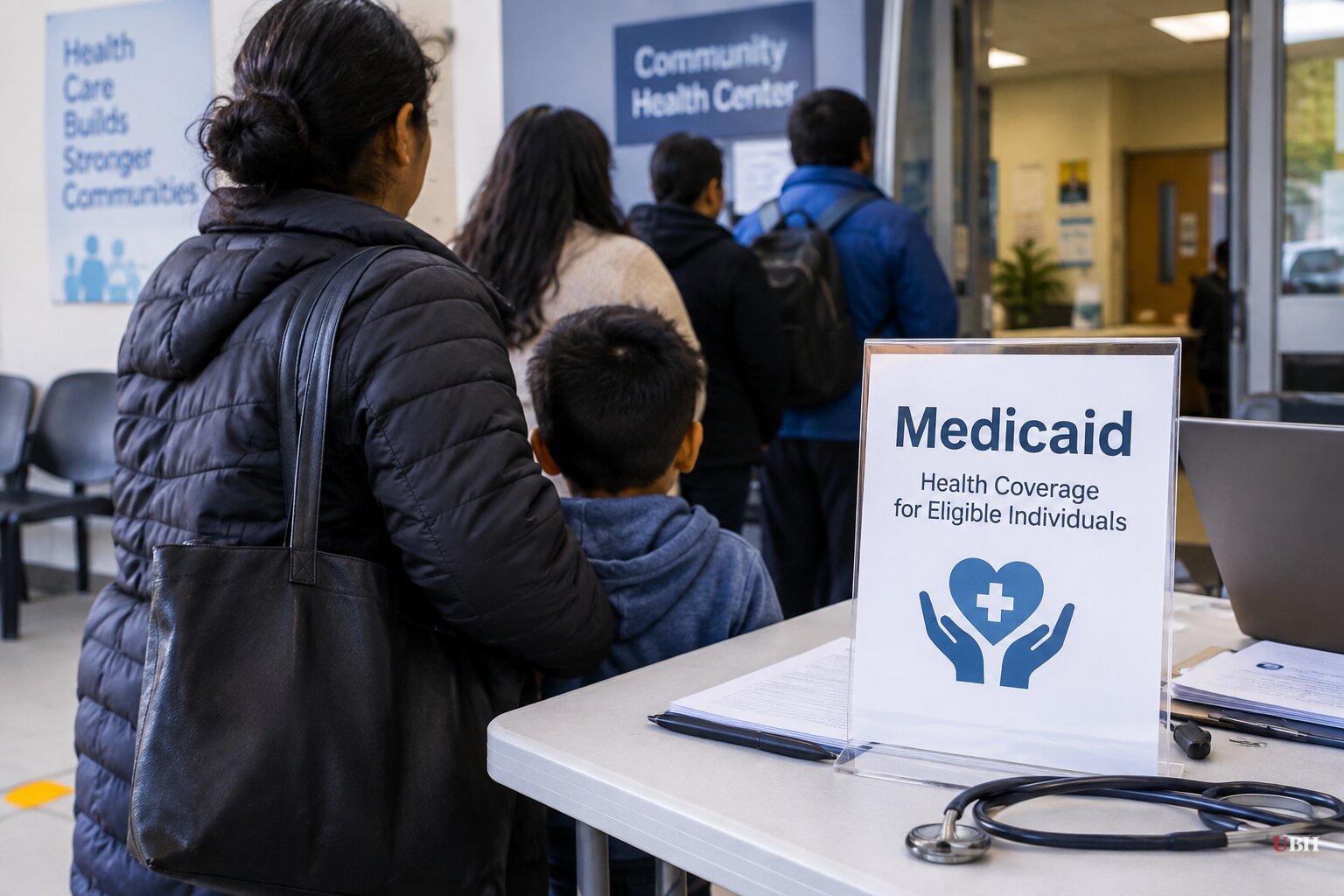
Two Trump administration policies aimed at limiting immigrant access to public benefits collide this week, and the paper trail shows plenty of confusion about who actually gets hit.
Starting Thursday, October 1, federal Medicaid eligibility ends for large categories of lawfully present immigrants who don't yet hold a green card. That includes refugees, asylum seekers, humanitarian parolees, survivors of domestic violence and trafficking, and holders of special immigrant visas from Iraq and Afghanistan, according to Healthbeat and WHYY. Most of these groups have been eligible for the program since 1996, per Georgetown University's Edwin Park.
The cutoff comes from H.R. 1, the One Big Beautiful Bill Act, which President Trump signed last year. Green card holders keep their coverage. So do Cuban and Haitian entrants and migrants from Pacific Island nations with special agreements, along with certain children and pregnant women covered through state programs, according to Healthbeat.
The Congressional Budget Office estimates about 100,000 people nationally will lose coverage by 2034, cutting federal spending by $6.2 billion over that period, per Healthbeat's reporting. It's also a fraction of total Medicaid spending, which raises a fair question about whether the disruption to individual lives is proportional to the savings.
States can't even agree on the headcount
Here's where numbers get unclear. Ohio's Department of Medicaid says 3,500 residents will lose full coverage for certain, with another 3,000 possibly affected, according to Signal Statewide. But five of Ohio's largest counties, contacted directly, estimated the real number between 14,500 and 18,000, a gap the state agency would not explain when asked.
That's a state health bureaucracy that can't tell county caseworkers, let alone the public, how many people are about to lose insurance in 48 hours. Whatever you think of the underlying policy, that's a competence failure worth calling out.
Other states have cleaner numbers. Pennsylvania estimates roughly 8,000 immigrants at risk statewide, according to WHYY. Minnesota puts its figure at more than 5,000 noncitizen adults, per Minnesota Public Radio News, though the state says 75% of them qualify for MinnesotaCare, a state-funded backup plan. Minnesota's temporary DHS Commissioner, John Connolly, said the state is "fortunate" to have that option, noting other states don't have anything similar.
CMS Administrator Dr. Mehmet Oz framed the change as a matter of fiscal discipline, saying the administration has "a public mandate, a statutory obligation, and a moral duty to safeguard our federal healthcare programs," according to MPR News.
Advocates on the ground describe a harder landing. Christa Loffelman of the Southeast Asian Mutual Assistance Association Coalition in Philadelphia said clients repeatedly ask her why the law changed and that it's difficult to explain, per WHYY. Maripat Pileggi of Community Legal Services of Philadelphia said losing Medicaid "puts their life in danger" for people who "have done absolutely everything right." That's a legitimate concern for anyone who values legal immigration status meaning something, and it deserves to be stated plainly rather than waved off.
The counterpoint is that this isn't undocumented immigrants losing benefits they were never entitled to. Federal law already bars most undocumented immigrants from comprehensive Medicaid. This is Congress, through a law Trump signed, narrowing which lawfully present categories qualify going forward, a policy choice within Congress's power to make and one that can be reversed the same way.
A second front: the public charge fight
A day later, on Friday, a separate Department of Homeland Security rule is set to take effect, expanding what counts as a "public charge" when officials decide whether to deny a visa or green card, according to Fox News. The expanded list would let officials weigh an applicant's use of Medicaid, SNAP and school meal programs, not just cash assistance like TANF, which was the standard under the Biden administration's 2022 rule.
More than 20 states and Washington, D.C., led by New York Attorney General Letitia James, filed suit to block it. New York City Mayor Zohran Mamdani led a separate lawsuit from a coalition of cities. James called the rule an effort that "preys on" families' fear of losing status if they use benefits they're legally entitled to.
Cato Institute's David Bier, in comments carried by Fox News, said the states have a "good argument" in the litigation, though no court has yet ruled. The public charge ground itself isn't new; it's been part of immigration law in some form since the 1880s as a self-sufficiency test. The dispute is over how far officials can expand the list of benefits that count against an applicant, not whether such a test can exist at all.
Both changes share a theme: less access to taxpayer-funded benefits for immigrants who aren't green card holders or citizens. Whether that's sound fiscal policy or an overcorrection that punishes people who followed the legal process depends on which affected family or county auditor you ask. The public charge rule's fate now sits with a federal court. The Medicaid cutoff has no such pause button. It takes effect Thursday regardless of how the litigation over the separate visa rule turns out.
Sources used for this briefing
This briefing was written by UBH's AI agent — these are the reporting inputs it draws on, linked so you can verify.


