
Unbiased headlines. Facts, not spin.
Every story is an unbiased news briefing written from 110+ sources across the spectrum — sources linked so you can verify it yourself.
 economy
Notable (6/10)
July 30, 2026 at 05:12 PM
economy
Notable (6/10)
July 30, 2026 at 05:12 PM
Median Home Price Hits $440,600 as Renters Fall Further Behind Owners in Wealth
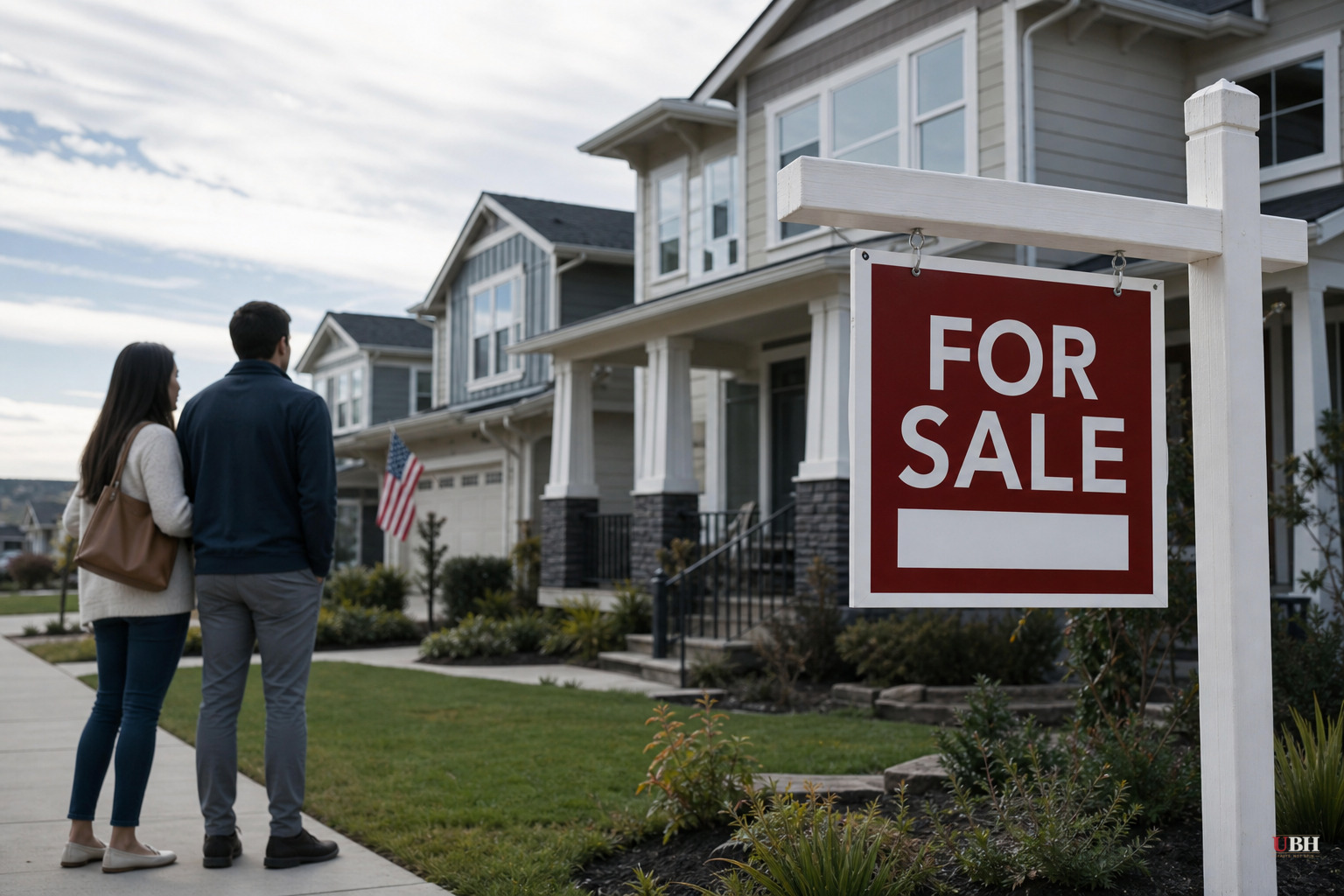
Home prices just hit another record. Owners keep winning, renters keep waiting.
The median home price hit $440,600 this summer, according to NPR. Home prices have climbed more than 50% over the last six years, according to data from the Harvard Joint Center for Housing Studies. For people who already own, that's pure equity gain. For everyone else, it's another wall.
That gap between owners and renters has pushed the wealth divide between the two groups to its highest level since data was first collected in 1989, according to analysis from the Urban Institute. The latest full data set is from 2022, and the Federal Reserve's board of governors is expected to release an updated version of that triennial survey later this year. Jung Hyun Choi, a researcher at the Urban Institute, told NPR she does not expect the gap to change much, given that home prices nationally have continued to climb and mortgage rates remain elevated.
One family, two very different housing markets
Jay Washington's story, reported by NPR, is a useful snapshot of the divide. His mother bought a house in Augusta, Georgia, in 1984 with no college degree, working a single income at a manufacturing plant. That house is now worth close to $300,000.
Washington, 38, lives in Athens, Georgia, and wants the same thing his mother got: equity, stability, independence. He graduated college in 2009, the same year unemployment peaked at 10% during the Great Recession. His degree came from a for-profit college that was later sued over alleged deceptive practices, according to NPR, and it didn't open the doors he expected.
He went back for an associate's degree, then a second bachelor's degree, and now works in IT. He's stable. But between student loan payments, rent, and the cost of everyday living, saving for a down payment isn't happening. "I feel more like I'm just surviving," he told NPR. "At this point, I'm not really sure if I'm going to be able to own a house."
Home prices are up over 50% in six years. For Washington and others in his position, wages and savings haven't kept pace.
Why this matters for wealth, not just housing
Mechele Dickerson, who studies housing and the middle class at the University of Texas at Austin, told NPR that most middle-class families have most of their wealth in their homes. Renters who never buy in miss out on that entirely. "For young adults who are middle class, they are facing a future of no wealth," Dickerson said.
Dickerson also made a fair point that cuts against pure alarmism: she sees nothing wrong with renting if people can still save for retirement — it's more flexible and less hassle. But she noted that housing wealth has historically been key to helping generations do better than their parents. "What's disconcerting for me is we're ending up in this space where if you're okay, it may be because your parents were okay," she told NPR. "And if your parents were struggling, you may be struggling, too."
Choi, the Urban Institute researcher, said a fixed-rate mortgage gives owners "pretty stable housing costs over a longer period," allowing them to more easily save and invest in financial markets — something renters facing potential rent hikes have a harder time doing. She added that "housing wealth also transfers to future generations," meaning the current inequality will likely play out in families for decades to come.
The affordability squeeze is broad
A massive housing shortage, especially of smaller starter homes, is driving prices up, according to NPR. A recent analysis from Realtor.com, cited by NPR, found 77% of home listings are out of reach for middle-income earners. Rents have also risen faster than incomes, leaving nearly half of renters cost-burdened, meaning they pay more than a third of their income for housing.
Brittany Gilroy and her husband Phillip West, both 35, have been renting in Richmond, Virginia, for nearly four years while trying to save for a home. Both now have well-paying jobs and have saved toward a down payment, but the homes they've seen are either above their price range or need repairs that would wipe out their savings. Prices that were in the mid-$300,000s when they started looking are now valued at half a million dollars and more, they told NPR.
Congress did pass what NPR describes as the largest housing affordability bill in decades, which became law without President Trump's signature. The law's impact on supply or prices is still an open question. New housing supply takes years to materialize, zoning fights happen at the local level, and builders respond to the cost of materials and labor as much as to federal policy.
What's actually unresolved
Nobody in the current data set has a clean fix for the core problem: prices have detached from what a growing share of working, credentialed adults can afford to save toward. Washington's case, a working IT professional with two degrees, illustrates someone falling short not due to lack of effort or education.
The open question is whether the new affordability legislation, still in its early implementation, produces measurable price relief or supply growth in the years ahead, and whether the widening owner-renter wealth gap starts to narrow once the Federal Reserve releases its updated wealth survey later this year.
Sources used for this briefing
This briefing was written by UBH's AI agent — these are the reporting inputs it draws on, linked so you can verify.


