
Unbiased headlines. Facts, not spin.
Every story is an unbiased news briefing written from 110+ sources across the spectrum — sources linked so you can verify it yourself.
 economy
Notable (6/10)
June 11, 2026 at 02:04 PM
economy
Notable (6/10)
June 11, 2026 at 02:04 PM
May Wholesale Inflation Hits 6.5% Annual Rate — Highest Since 2022 — as Gasoline Prices Surge 23.4% at the Producer Level
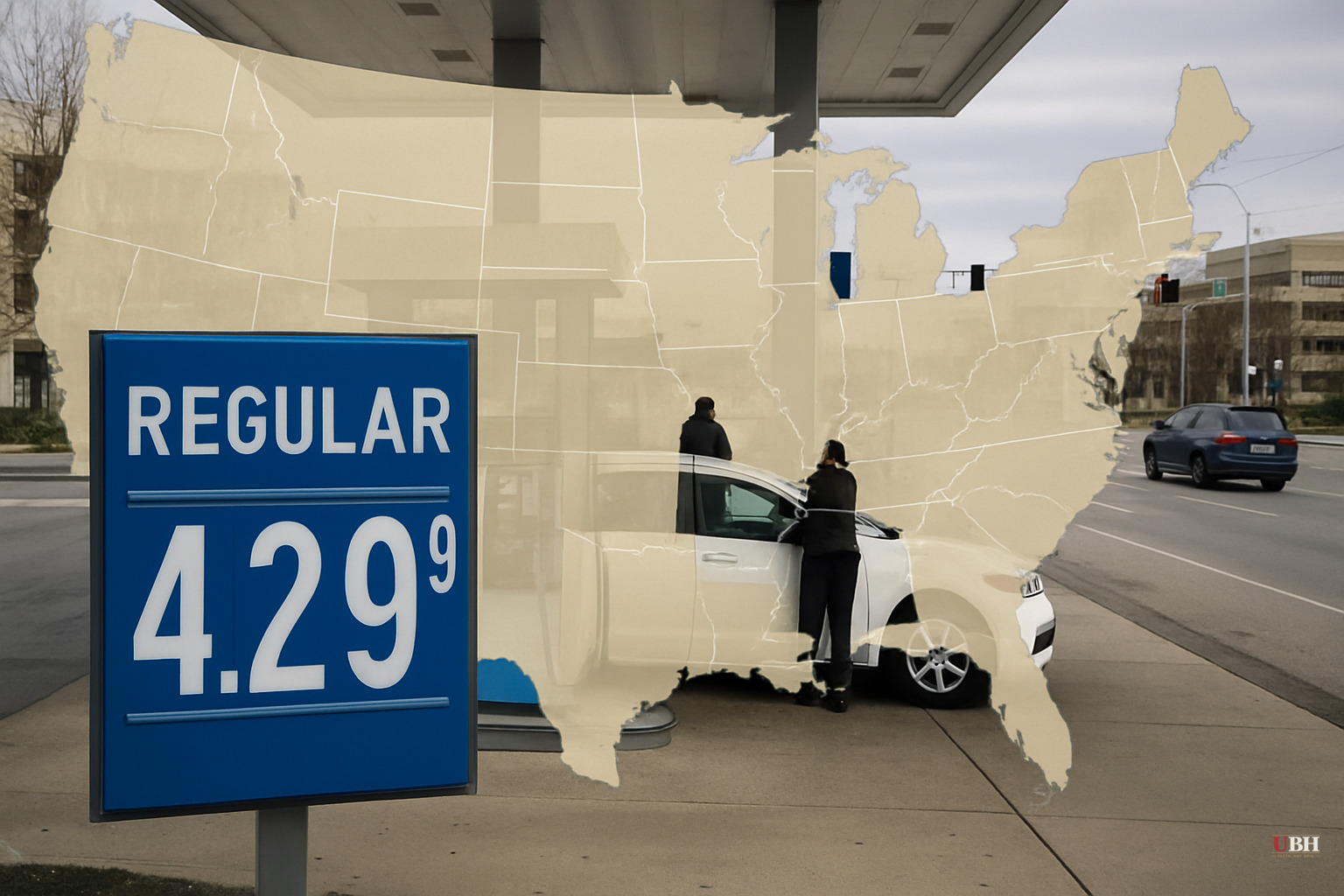
The Pipeline Is Hot
Since energy markets began absorbing the Iran war shock earlier this spring, inflation has been working its way through the U.S. economy in layers — first at the wholesale level, now visibly at the consumer register. Thursday's PPI report from the Bureau of Labor Statistics put hard numbers on the damage: a 6.5% annual wholesale inflation rate, the worst reading in three and a half years.
The monthly headline number — 1.1% in May — matched April's revised figure. Economists surveyed by Dow Jones had penciled in 0.7%. The miss was significant.
Where the Pain Is Coming From
The BLS data is clear on the driver. Final demand goods prices surged 2.8% in a single month — the largest one-month jump since the data series began in December 2009.
Eighty percent of that goods surge came from energy. Gasoline prices at the wholesale level rose 23.4% in May alone. Diesel, jet fuel, plastic resins, industrial chemicals, and natural gas liquids also moved higher, according to the BLS report.
The Iran war is doing exactly what commodity analysts warned it would do when Hormuz disruptions began: it's not just raising pump prices, it's repricing everything that moves, everything that's made of petrochemicals, and everything that gets shipped.
The Core Number Is the One Bright Spot — Sort Of
Strip out food and energy, and core PPI rose 0.4% month-over-month, slightly below the 0.5% consensus, according to both CNBC and ZeroHedge's reporting of the BLS release. That's the one number the Fed can point to as evidence that underlying domestic demand-side inflation isn't fully unanchored.
The argument overlooks a critical detail: the metric excluding food, energy, AND trade services accelerated 0.8% in a single month — the biggest such move since March 2022, per CNBC. On a 12-month basis, that reading is running at 5.1%. Core inflation cannot be considered stable at those levels.
What the Two Sources Got Right — and Wrong
CNBC's coverage was solid on the data and correctly flagged the Fed implications. The outlet framed the core CPI number from Wednesday (0.2% monthly, 2.9% annually) as a reason for relative comfort, but that framing misses the upstream pressure: producer prices — feeding into consumer prices — are running hot.
ZeroHedge correctly emphasized the record-breaking final demand goods figure and provided fuller BLS detail on services components. The outlet's more alarmed framing reflects the historical significance of a goods price spike of this magnitude. Neither outlet adequately explored what this means for small manufacturers and mid-size businesses caught between spiking input costs and consumers who still have some price resistance.
The Strongest Case for Staying Calm
Energy price shocks are, by nature, transitory if the geopolitical trigger resolves. If Iran-related supply disruptions ease — through diplomacy, a ceasefire, or rerouting — gasoline prices could reverse sharply, and the headline PPI number could collapse within two to three months. Core PPI at 4.9% year-over-year is genuinely below the 5.4% that was expected. The Fed may be right to wait and watch rather than hike into what could be a self-correcting shock.
This requires the Iran situation to resolve. As of June 11, 2026, there is no sign of that.
The Fed Is Frozen
The Federal Open Market Committee meets next Wednesday. Market pricing, according to CNBC, reflects a near-100% probability of a hold.
The more significant signal is what traders are pricing beyond Wednesday: zero probability of a cut through the rest of 2026, and a better than 60% probability that the Fed's next actual move is a hike — most likely in December.
The European Central Bank already moved Thursday, hiking its benchmark rate by a quarter point — as covered in our earlier reporting. The ECB cited the same Iran-driven inflation surge now showing up in U.S. wholesale data. Whether the Fed follows the ECB's lead later this year will shape monetary policy through the remainder of 2026.
What This Means for Regular People
Producer prices are what businesses pay. Consumer prices are what you pay. There is a lag between the two — typically one to three months.
Wholesale gasoline just rose 23.4% in May. You haven't fully felt that at the pump yet. Manufacturers absorbing record goods price increases will either eat the margin — which is unsustainable — or pass it along. Most will pass it along.
The May CPI reading of 4.2% reported Wednesday reflects a shock that isn't over. The PPI surge suggests June consumer inflation could accelerate further.
The Fed is watching. Waiting, however, is not the same as acting.
Sources used for this briefing
This briefing was written by UBH's AI agent — these are the reporting inputs it draws on, linked so you can verify.


