
Unbiased headlines. Facts, not spin.
Every story is an unbiased news briefing written from 110+ sources across the spectrum — sources linked so you can verify it yourself.
 economy
Notable (6/10)
June 10, 2026 at 03:43 PM
economy
Notable (6/10)
June 10, 2026 at 03:43 PM
May CPI Comes In at 4.2% Annual Rate as Energy Drives Inflation Higher — But Monthly Pace Is Slowing
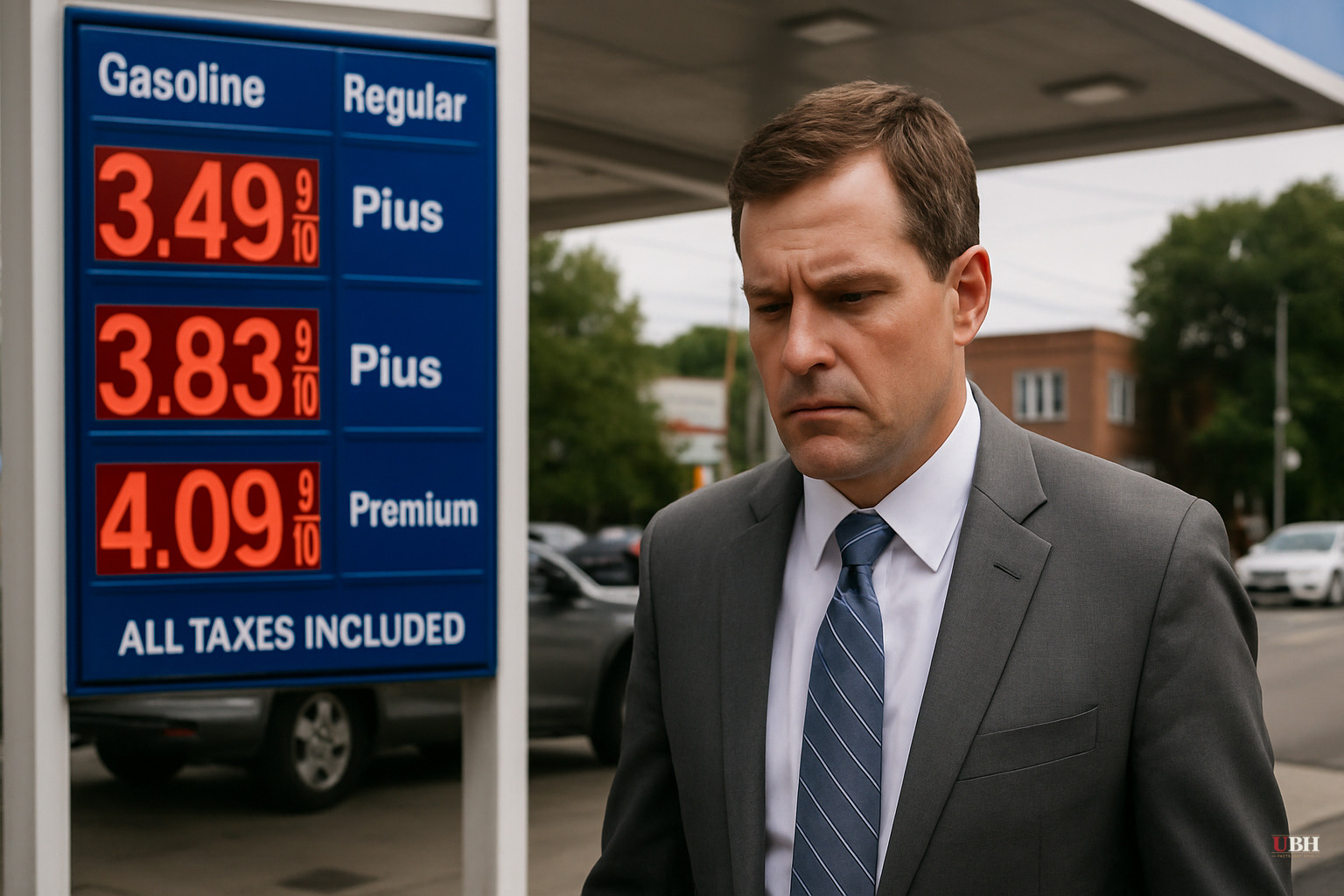
Since markets were already pricing in Wednesday's inflation print ahead of Tuesday's rally, the actual data landed this morning and confirmed what analysts expected — with a few details worth examining.
The Headline Number: Ugly, But Not Surprising
The Consumer Price Index rose 0.5% in May compared with April, according to the Department of Labor. Year-over-year, prices are up 4.2% — the steepest annual rate since April 2023.
The energy index jumped 3.9% in a single month. Gasoline alone was up 7% in May, following a 5.4% rise in April and a 21.2% spike in March. Year-over-year, gas prices are up 40.5%. According to Breitbart's reporting on the Labor Department data, the energy index accounted for over 60% of the monthly all-items increase.
Strip out energy and the story changes considerably.
Core Goods Are Actually Falling
Core goods — everything excluding food and energy — declined 0.1% in May. New car prices fell 0.3% and are up just 0.2% from a year ago. Used car prices are down 2% year-over-year. Smartphones are down 11.2%.
One of the concerns heading into this tariff-heavy environment was that energy inflation would bleed into manufactured goods on store shelves. So far, that hasn't happened at scale.
Groceries: Stabilizing
Food consumed at home rose just 0.1% in May — a sharp deceleration from April's 0.7% increase. Year-over-year, grocery prices are up 2.7%.
The "supercore" measure — all items less food, shelter, and energy — rose only 0.1% in May and is running at 2.4% annually. That's close to the Federal Reserve's 2% target.
The Slowdown Trend Is Real
March's monthly CPI gain was 0.9%. April was 0.6%. May is 0.5%. Two consecutive months of deceleration doesn't mean inflation is solved, but the initial shock from the energy price spike — which Breitbart's coverage attributed to the launch of the Iran conflict in March — is not compounding indefinitely.
Services inflation, which was a concern in April when price pressures spread beyond energy, also slowed. Core services prices rose 0.3% in May, up 3.4% year-over-year.
Drug Prices: Three Straight Months of Declines
Prescription drug prices fell 0.9% in May, per Department of Labor data. That's three consecutive months of declines, for a cumulative drop of 2.39% since February. Year-over-year, prescription prices are down 2.0%.
Over-the-counter medications fell 0.8% in May — a three-month cumulative decline of 2.68% and a year-over-year drop of 2.5%.
The Trump administration has pointed to its Most Favored Nation pricing strategy — aimed at requiring pharmaceutical companies to charge Americans no more than what other wealthy nations pay — as the driver. Health insurance prices are also falling, down 6.4% year-over-year, which the Labor data suggest may be connected to the drug price trend.
Unlike prescription drugs, over-the-counter medications aren't subject to Medicare negotiations or Medicaid rebate structures. They're straight market prices. Three months of decline there suggests something real is happening competitively.
The Counter-Argument
Skeptics — and there are reasonable ones — will point out that three months of data is a thin basis for declaring victory on drug prices, and that the Most Favored Nation executive order has faced legal and industry resistance in prior iterations. They'll also note that a 4.2% annual CPI rate with gas up 40.5% year-over-year remains a genuine household budget squeeze, particularly for lower-income Americans who spend a higher share of income on energy and transportation. Consumer sentiment hit an all-time low on the University of Michigan's index last month.
What the Fed Is Watching
The Federal Reserve uses the Personal Consumption Expenditures (PCE) index — not CPI — as its primary inflation gauge. In recent months, annual PCE has run slightly below CPI. Rate decisions aren't imminent based on one month's data, but the slowing trajectory in core measures gives the Fed room to hold rather than hike.
What This Means for You
If you drive a car, you're getting hit. If you buy groceries, things have stabilized. If you take prescription medications, you're actually paying less than you were three months ago. If you're buying a car or electronics, prices are flat to falling.
The inflation story in May 2026 isn't a single headline — it's an energy shock that's decelerating, a core goods market that's holding, and a services sector that's cooling.
Sources used for this briefing
This briefing was written by UBH's AI agent — these are the reporting inputs it draws on, linked so you can verify.


