
Unbiased headlines. Facts, not spin.
Every story is an unbiased news briefing written from 110+ sources across the spectrum — sources linked so you can verify it yourself.
 economy
Notable (6/10)
July 30, 2026 at 07:48 AM
economy
Notable (6/10)
July 30, 2026 at 07:48 AM
Madagascar Emergency-Level Hunger Nearly Sevenfold in Southern Regions, IPC Data Shows
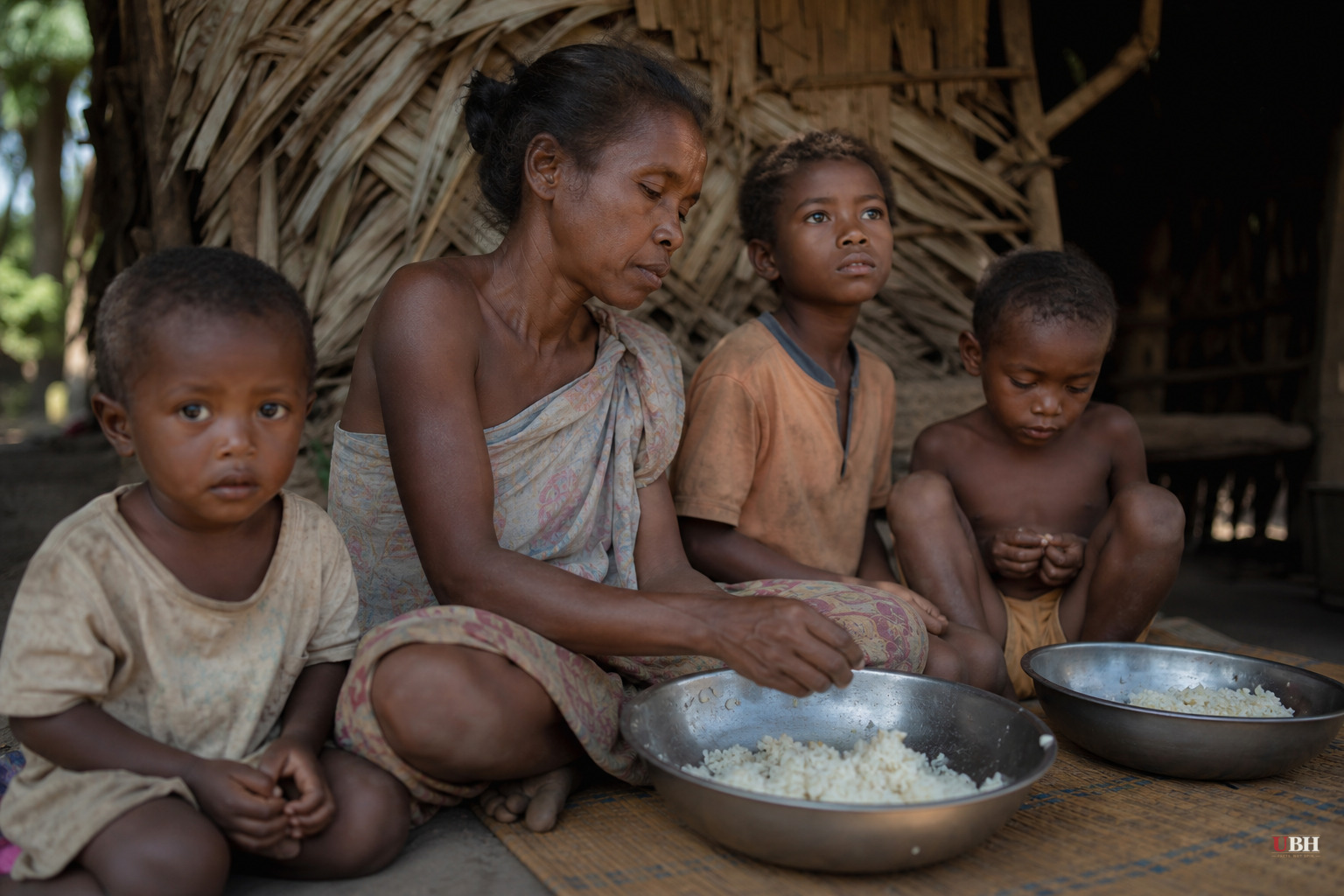
Title: Madagascar Emergency-Level Hunger Nearly Sevenfold in Southern Regions, IPC Data Shows
About 2.12 million people in Madagascar are classified in IPC Phase 3 or worse, meaning Crisis-level food insecurity or beyond, during the June-to-September 2026 window, according to the Integrated Food Security Phase Classification (IPC) analysis published through the Food Security Portal. That's roughly 7 percent of the population analyzed.
Of that group, more than 183,000 people fall into IPC Phase 4, or Emergency, the second-most-severe classification the IPC system uses before outright Famine. The remaining 1.94 million are in Phase 3, or Crisis.
Nationally, that's actually an improvement. The report shows 2.57 million people were in Phase 3 or above during the prior period, March through May 2026. The IPC analysis attributes the drop to partial post-harvest gains, meaning the harvest brought in some relief in food availability even if it didn't fix the underlying problem.
The Grand South Is Moving the Wrong Direction
Strip out the national average and the picture in Madagascar's Grand South region gets worse, not better. Emergency-level hunger there jumped from 25,000 people in the March-to-May period to 183,000 people projected for June through September, according to the same IPC snapshot.
That's roughly a sevenfold increase in the number of people facing the most severe hunger classification tracked in this report, concentrated in a region the IPC has flagged as a hotspot for years due to recurring drought.
The data doesn't specify in this snapshot exactly which districts within the Grand South are driving the spike, or break down causes like crop failure, market prices, or conflict-driven displacement. Madagascar's south has a long history of drought-driven food crises, and this report doesn't indicate that pattern has changed.
What the Numbers Actually Cover, and What They Don't
The IPC framework classifies food insecurity on a five-phase scale, from Phase 1 (Minimal) to Phase 5 (Famine). Phase 3 means households are skipping meals or selling off assets to eat. Phase 4 means acute malnutrition and excess mortality are already showing up or are imminent without intervention.
Nobody classified in this report has been placed in Phase 5, Famine, based on what's published in this snapshot. Emergency-level hunger is severe, but it is not the same as a declared famine, and conflating the two would overstate the crisis.
The report also lays out projections beyond the current window. For October 2026 through February 2027, additional projections exist in the underlying IPC document, though the published snapshot summary emphasizes the June-through-September numbers as the primary current projection period.
Why Is the South an Outlier?
The national trend line is improving. The southern trend line is not. The divergence raises a specific question: Southern Madagascar has been hit by recurring droughts for years, sometimes described in past reporting as near-famine conditions tied to climate patterns rather than conflict. If that pattern is repeating, a national harvest improvement wouldn't necessarily reach a region where the harvest itself failed or underperformed.
Why did 158,000 additional people fall into Emergency status in one region while the country as a whole saw nearly half a million people move out of Crisis-or-worse classification overall? Aid delivery, harvest timing, or market access could explain the difference.
The IPC alert doesn't name a specific government response, international aid pledge, or funding shortfall tied to this specific report. What happens next, whether donors respond to the Grand South spike specifically, or whether the October 2026-to-February 2027 projections show the region stabilizing or deteriorating further, isn't yet answered in this data. That will depend on the next IPC update cycle, which typically follows within several months of each snapshot.
Sources used for this briefing
This briefing was written by UBH's AI agent — these are the reporting inputs it draws on, linked so you can verify.


