
Unbiased headlines. Facts, not spin.
Every story is an unbiased news briefing written from 110+ sources across the spectrum — sources linked so you can verify it yourself.
 economy
Major Story (7/10)
August 15, 2026 at 08:43 PM
economy
Major Story (7/10)
August 15, 2026 at 08:43 PM
Lutnick Tells Apple to Drop Chinese Memory Chip Plans, Cook Keeps Options Open
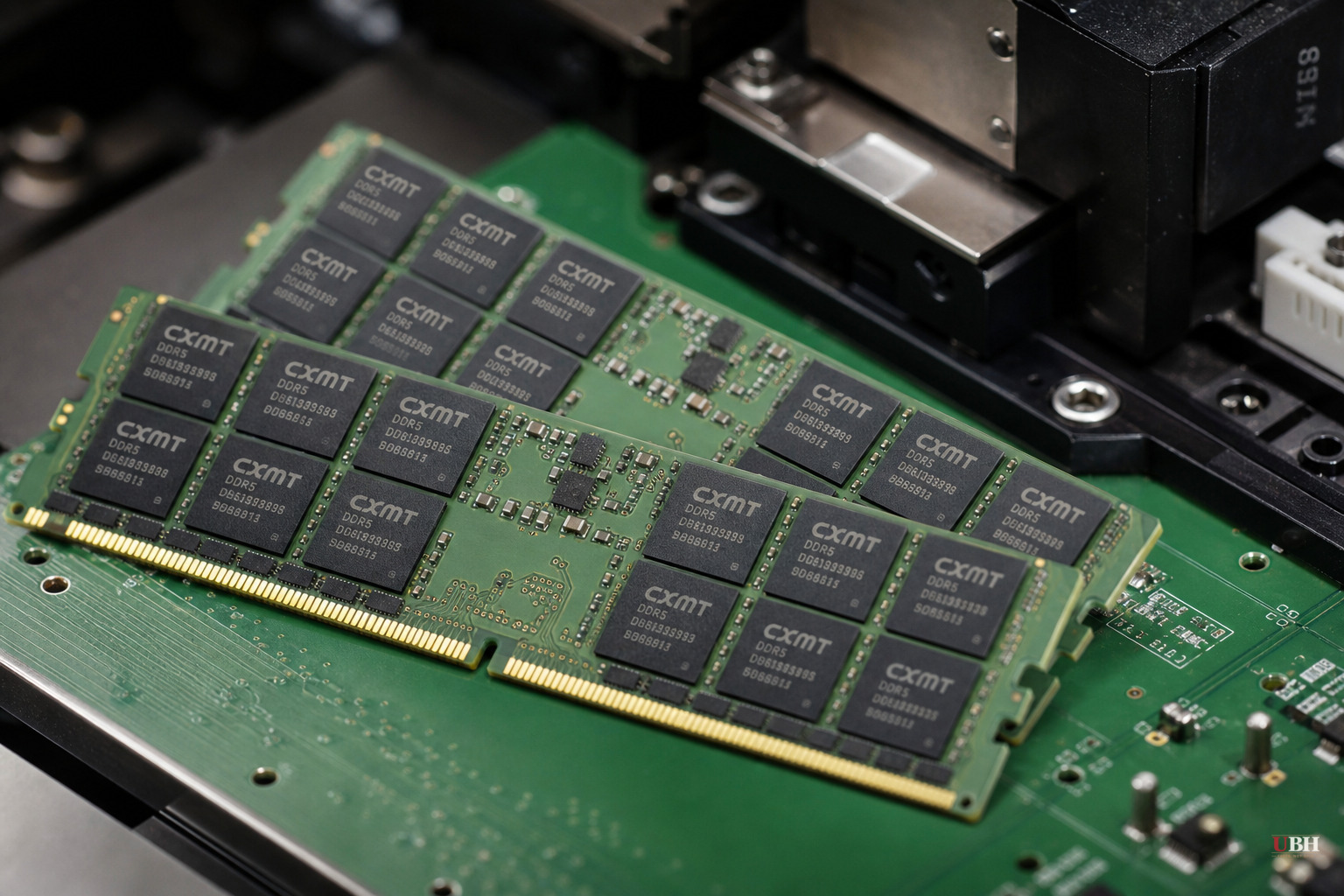
Howard Lutnick isn't being subtle. The Commerce Secretary told The Wall Street Journal that the Trump administration does not want Apple buying memory chips from Chinese suppliers, full stop. "The Trump administration is not in favor of that," Lutnick said, adding there need to be "other solutions to the memory issue, but it's not great American companies using Chinese memory."
Lutnick made the comments after touring Apple's new Advanced Manufacturing Center in Houston alongside CEO Tim Cook, Senator Ted Cruz, and other officials, according to The Wall Street Journal and The News International. He says he told Apple the administration's position "plainly."
The dispute centers on Apple's months-long effort to get clearance to buy memory from two Chinese firms: ChangXin Memory Technologies (CXMT) and Yangtze Memory Technologies (YMTC), according to the Journal and confirmed by 9to5Mac and South Korea's MK. Both companies sit on U.S. blacklists. YMTC is on the Commerce Department's Entity List. The Pentagon put CXMT on its "1260H" list of companies it says support China's People's Liberation Army, according to ZeroHedge and theweek.in.
Why would Apple even consider this? Memory prices are spiking hard. The global AI data-center buildout is soaking up DRAM and NAND supply worldwide, according to ZeroHedge, and Micron has reportedly hiked prices on some products as much as threefold despite no actual supply shortage from its own factories, per theweek.in. Apple COO Sabih Khan told the Journal the company has to consider "all options" given the scale of the shortage. Cook has said the same thing on Apple's earnings call: "evaluating all options."
A technical detail matters here. Apple typically demands heavily customized components for iPhones, and sharing product specs with blacklisted Chinese firms would normally require an export license from Commerce. But Khan told the Journal that memory chips need comparatively little customization versus other iPhone parts. That means Apple could potentially buy standard, off-the-shelf CXMT or YMTC chips without needing government sign-off at all. That's the loophole Lutnick is trying to close before Apple walks through it.
Apple hasn't confirmed it's actually going to use Chinese memory in shipping products. Multiple outlets, including theweek.in, note that some analysts think Apple floating this idea publicly is a pressure tactic aimed at Micron, Samsung, and SK Hynix to bring prices down, not a genuine plan. If that's the goal, it's working: it's gotten the Commerce Secretary of the United States to personally intervene.
That said, Apple has reportedly already tested CXMT chips and explored a deal with YMTC, according to 9to5Mac, and reports say any Chinese memory would likely debut first in devices sold in China, not the U.S. market, per MK. That's a meaningfully different scenario than putting blacklisted Chinese chips in an iPhone sold in Ohio, and it's a distinction some coverage glosses over.
Micron isn't sitting quiet. The Boise-based chipmaker has lobbied the White House directly, telling the administration that Apple sourcing from CXMT would undercut the Trump administration's reshoring push, according to MK. Senators from Micron's home turf, New York, Indiana, and Idaho, sent Cook a letter last month urging Apple to drop the idea entirely, a bipartisan push noted by both ZeroHedge and 9to5Mac.
Apple is stuck between soaring input costs and a White House that wants it to also spend $600 billion reshoring manufacturing to the U.S., a commitment tied to the same Houston facility Lutnick was touring when he made these remarks. Squeezing memory costs while also funding domestic factories is a real financial tension.
The national security argument carries real weight. CXMT's presence on the Pentagon's PLA-linked company list is a Defense Department determination, not a talking point invented by Micron's lobbyists. Whether "off-the-shelf" purchases without customization genuinely sidestep the underlying security concern, or just avoid the paperwork requirement, is a legitimate open question.
No formal Commerce Department license request from Apple has been reported as filed or denied. No investigation, sanction, or enforcement action against Apple exists here, only public pressure from Lutnick and a letter from senators. What happens next: does Apple quietly drop the idea, push forward with standard-spec Chinese chips that dodge the license requirement, or keep floating the threat to squeeze better pricing out of Micron and Samsung? Cook hasn't said. Lutnick has made clear which answer he wants.
Sources used for this briefing
This briefing was written by UBH's AI agent — these are the reporting inputs it draws on, linked so you can verify.


