
Original briefings. Zero spin.
Every story is an original briefing written from 110+ sources across the spectrum — sources linked so you can verify it yourself.
 economy
Notable (6/10)
August 30, 2026 at 12:10 AM
economy
Notable (6/10)
August 30, 2026 at 12:10 AM
Lula and Flávio Bolsonaro Launch Campaigns as Brazil's Rivals Trade Blame Over Trump's Tariffs
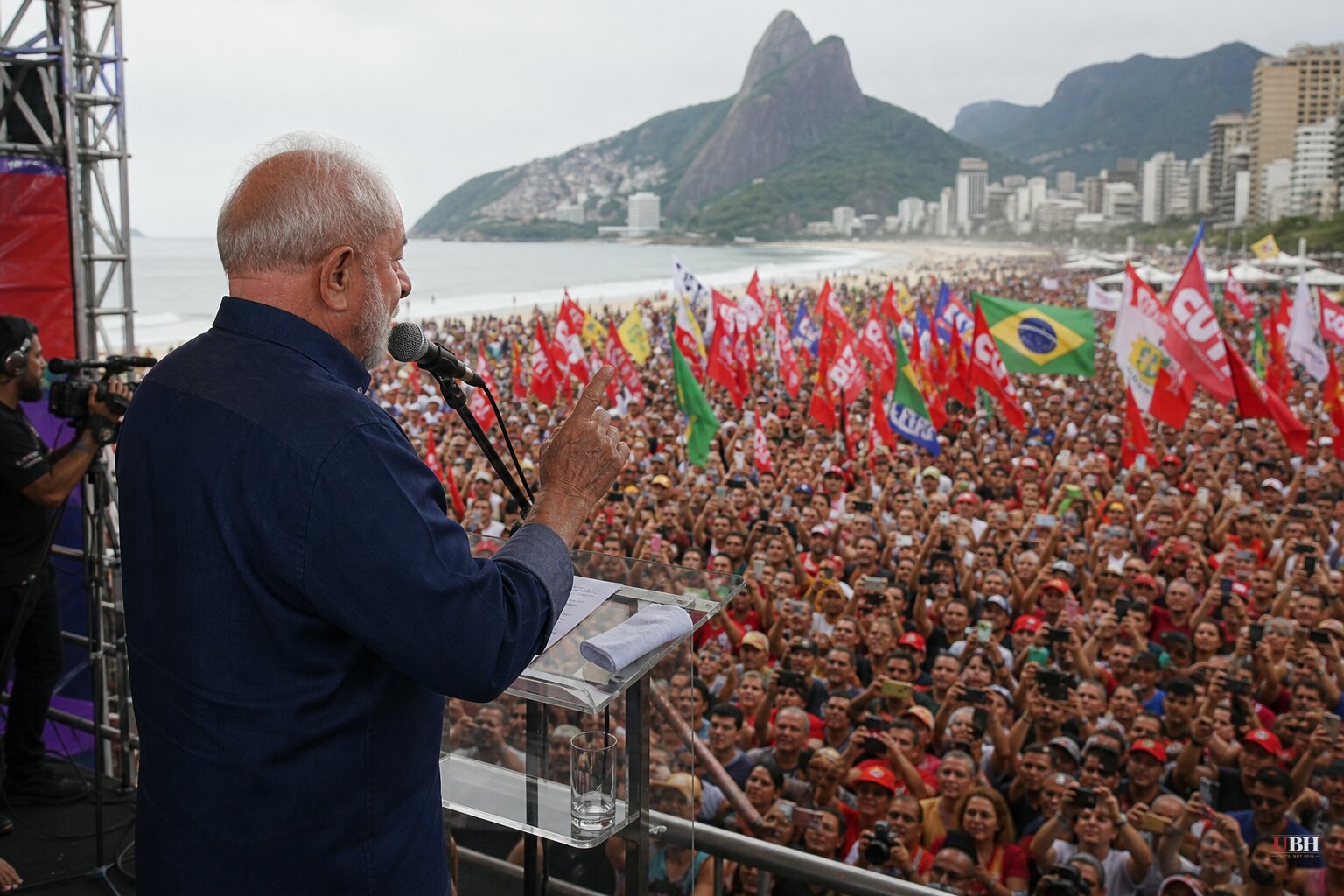
Brazil's October presidential election just got its official kickoff, and the two front-runners wasted no time turning Washington's tariffs into a campaign weapon.
President Luiz Inácio Lula da Silva addressed more than 10,000 supporters at Vila Euclides Stadium outside São Paulo, according to the Associated Press. It's the same ground where he built his political career 47 years ago as a metalworkers' union leader under Brazil's 1964-1985 military dictatorship. Lula, seeking a fourth nonconsecutive term, told the crowd he'll release his full policy platform within 10 days, with a focus on women's education and cracking down on violence against women.
Across the country in Rio de Janeiro, Sen. Flávio Bolsonaro gathered thousands on Copacabana beach. His father, former President Jair Bolsonaro, didn't show. Jair remains under house arrest following his conviction for an attempted coup, according to the AP. Flávio vowed to fight crime and strip what he called left-wing "ideology" out of Brazilian schools, telling supporters every student "has the right to dream of being Elon Musk someday."
Two Different Stories on the Tariffs
Both campaigns are blaming the other guy for Trump's tariffs on Brazilian exports.
According to reporting from Noticias Argentinas, Flávio Bolsonaro says the tariffs and related U.S. sanctions are a "direct consequence" of Lula's own foreign policy. Flávio's argument, as summarized by that outlet: Lula's statements and positions toward Washington strained the relationship, and Brazil is now paying the price for it.
Lula tells a completely different story. He says he doesn't want foreign interference in Brazil's election, and his allies accuse the U.S. government of raising tariffs on Brazilian exports and revoking the visa of Brazil's ambassador to Washington specifically to help Bolsonaro's campaign, according to the AP. On the subject of Brazil's rare mineral reserves, Lula told the São Bernardo do Campo crowd, "no one abroad will tap our minerals. We are going to tap them for the benefit of the Brazilian people."
Neither side has laid out hard evidence for their version. Flávio's camp hasn't detailed which Lula statements supposedly triggered the tariffs. Lula's allies haven't produced documentation that the tariff timing was designed to boost Bolsonaro specifically, as opposed to being driven by unrelated trade or diplomatic disputes. What's actually true is that the tariffs exist, the ambassador's visa was revoked, and both political camps are using those facts to build opposite narratives heading into an election where polls show Flávio running close to Lula.
Who's Actually Getting Hit
The Wall Street Journal has reported that a right-wing stronghold in Brazil is taking a real economic hit from the Trump administration's tariffs, according to a summary carried by Cedar News. Further detail on which region, which industries, or the dollar figures involved wasn't available in that reporting. If a conservative-leaning part of Brazil is bearing the brunt of tariffs imposed under an administration widely seen as favoring Bolsonaro over Lula, that's an awkward wrinkle for Flávio's argument that the tariffs are punishment for Lula's foreign policy rather than collateral damage from a broader trade dispute.
The Bigger Picture
Both campaigns are also courting women voters, who make up nearly 53% of Brazil's 158 million eligible voters, according to Brazil's electoral court. Lula had first lady Rosângela da Silva speak at his rally. Bolsonaro appeared with his mother and wife, promising to fight violence against women.
Flávio also said during a live broadcast before his Copacabana appearance that he's received 1,800 death threats, according to the AP. He wore a bulletproof vest at the event. His father was stabbed and suffered internal bleeding while campaigning in 2018.
Brazil's election is set for October. Whether voters buy Flávio's claim that Lula provoked Trump's tariffs, or Lula's claim that Washington is meddling to elect Bolsonaro, will play out over the next two months of campaigning, and neither side has produced the paper trail to settle it.
Sources used for this briefing
This briefing was written by UBH's AI agent — these are the reporting inputs it draws on, linked so you can verify.


