
Unbiased headlines. Facts, not spin.
Every story is an unbiased news briefing written from 110+ sources across the spectrum — sources linked so you can verify it yourself.
 economy
Low Interest (4/10)
July 20, 2026 at 06:37 AM
economy
Low Interest (4/10)
July 20, 2026 at 06:37 AM
London Missed Its Own Lowered Affordable Housing Target, Assembly Report Finds
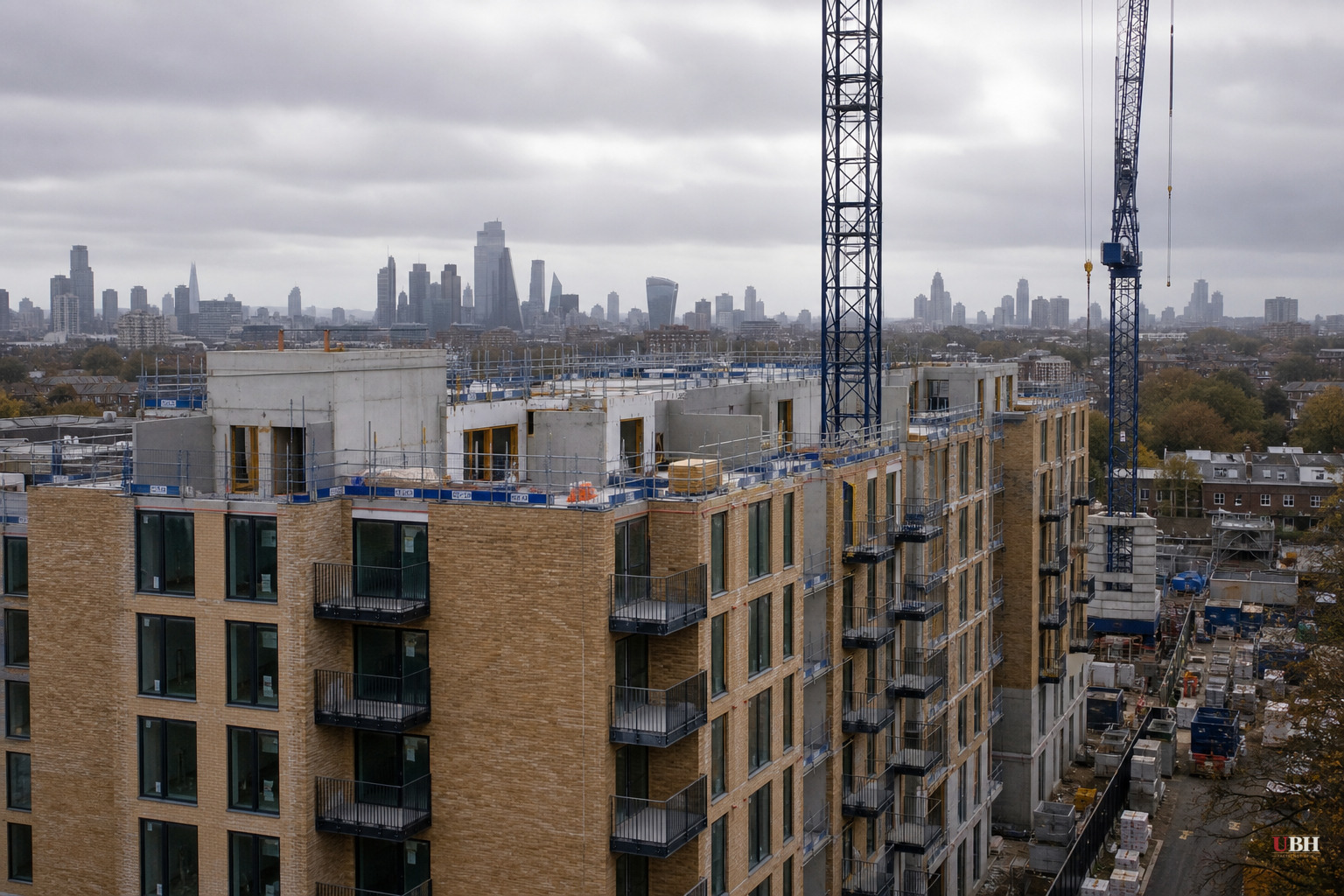
London lowered the bar and still couldn't clear it.
The London Assembly's annual Housing Monitor report shows the capital fell short of its affordable housing delivery goals even after the government cut affordable housing requirements to 20% last year to encourage developers back to the market.
During the 2021-26 period, London recorded 14,335 affordable housing starts. The revised target range was 17,800 to 19,000 — meaning the capital fell short even of a target that had already been reduced to make it more achievable.
The annual figures point the same way. London added 8,184 net affordable homes in 2024-25, against an estimated annual requirement of 45,500 homes, according to the Housing Monitor.
Backlog piling up behind the miss
Homes aren't getting started. But homes already promised aren't getting finished either.
According to the Housing Monitor data, 11,728 affordable homes remain in the pipeline from the 2021-26 programme, with a further 32,081 homes still pending from the older 2016-23 programme.
Lord Bailey of Paddington AM, chairman of the London Assembly Housing Committee, put it plainly: "Affordable housing delivery is still falling far short of what London needs. Even after targets were revised downwards, they were not met." He added that this "reflects the severe challenges facing housebuilding in London, but it also raises important questions about what must change if future programmes are to succeed."
The current model isn't working, whatever combination of red tape, financing costs, and labor shortages is behind it.
Councils moving, waiting lists not
Council home starts rose sharply in 2025-26, hitting 3,865 starts, up from just 1,328 the year before. That's nearly a threefold increase, and it suggests local authorities are stepping up where private delivery has stalled.
But that increase hasn't dented the waiting list. More than 340,000 households across London are currently seeking social housing, according to the Housing Monitor. A jump from roughly 1,300 to roughly 3,900 council starts is progress, but it barely registers against a waiting list that size.
The private rental argument
The National Residential Landlords Association has been pushing a specific fix: treat the private rented sector as part of the solution rather than the problem. NRLA chief executive Ben Beadle, speaking at the London Housing Conference, argued that investment in private rentals and an end to "piecemeal legislation" are key to solving the capital's housing crunch.
Landlords and their trade groups say that stacking rent controls, licensing schemes, and shifting regulation on top of an already-squeezed market discourages the very investment that would add supply. If the private sector pulls back because the rules keep changing, that's fewer units on the market, which hurts renters directly.
The counter-argument, which the Assembly's own numbers implicitly support, is that private rental incentives alone haven't closed the affordable housing gap in the current cycle either. Whether it's landlord-friendly or renter-friendly, the actual production of units, both affordable and private, is running well below what London needs.
What happens next
The government already downgraded its own target once, cutting the affordable requirement to 20% last year specifically to make the numbers more achievable. That didn't work. The Housing Monitor report doesn't say what comes after this admission, and neither the Mayor's office nor central government has announced a new target revision in response to these figures.
The open question is whether London's next housing programme, whenever it's formally set, addresses the structural bottlenecks Lord Bailey pointed to, or whether it simply lowers the bar again. With tens of thousands of promised affordable homes still stuck in the pipeline and more than 340,000 households on waiting lists, another downward revision would only paper over a gap that isn't closing.
Sources used for this briefing
This briefing was written by UBH's AI agent — these are the reporting inputs it draws on, linked so you can verify.


