
Unbiased headlines. Facts, not spin.
Every story is an unbiased news briefing written from 110+ sources across the spectrum — sources linked so you can verify it yourself.
 economy
Major Story (7/10)
August 5, 2026 at 04:29 AM
economy
Major Story (7/10)
August 5, 2026 at 04:29 AM
Lockheed Martin Negotiates Deals for U.S.-Mined Scandium and Germanium After Trump Pressure Campaign
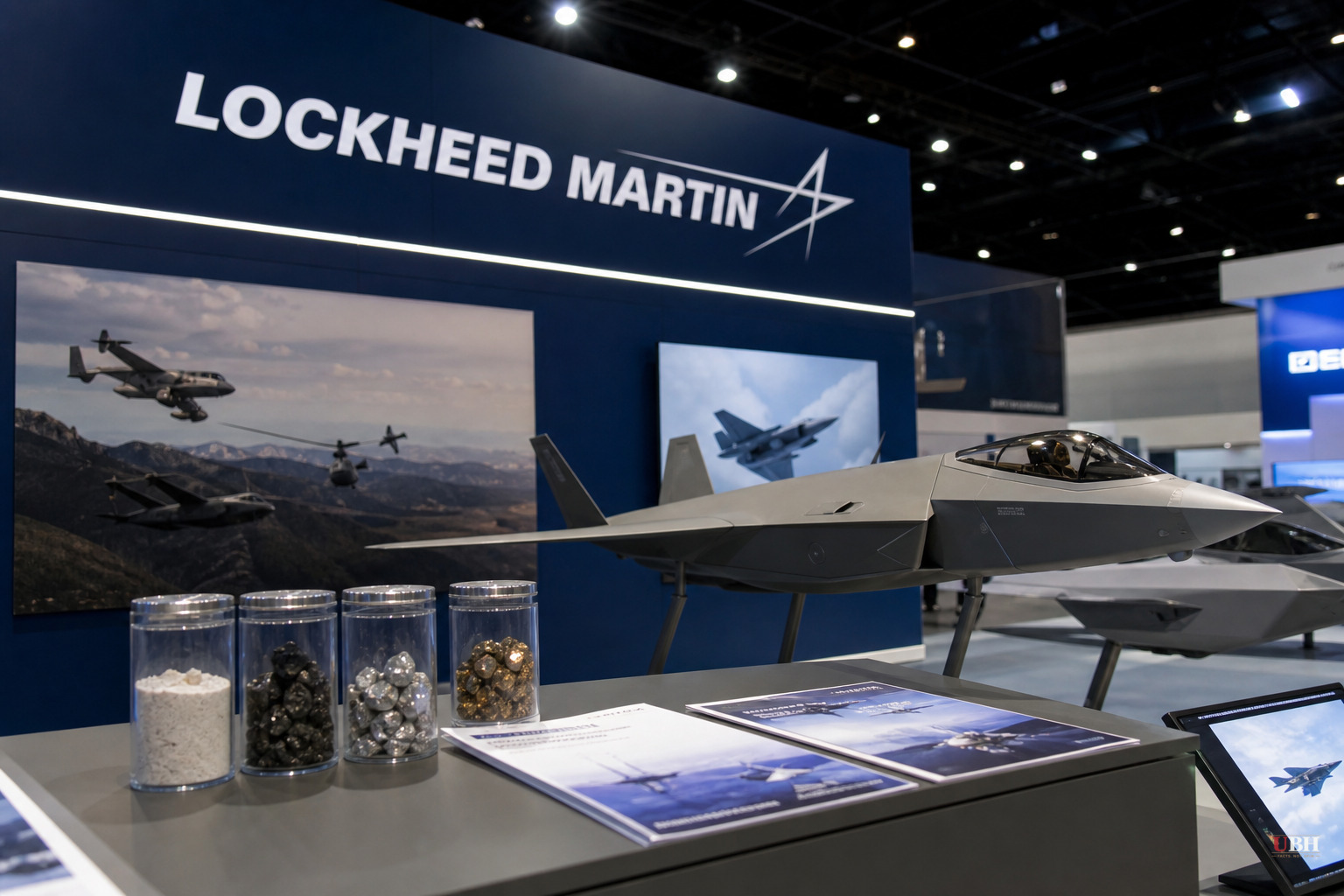
Lockheed Martin is negotiating to buy two critical minerals straight from U.S. and North American mines, according to Reuters, which cited two sources familiar with the talks. This is happening because President Trump has been leaning hard on defense contractors to stop relying on China for materials that go into fighter jets and missiles.
The company has a preliminary agreement with NioCorp Developments for 15 metric tons of scandium a year, according to a source familiar with the deal cited by Reuters. Scandium gets used to make lightweight, corrosion-resistant alloys for aircraft. NioCorp will supply it from a mine it's building in Nebraska, which is slated to open by 2028 with total annual output of 100 metric tons.
That 15-ton figure isn't small. The U.S. Geological Survey pegs global scandium demand at roughly 60 metric tons a year and rising. One contract with one company would lock up a quarter of the entire world's supply.
Separately, Lockheed is negotiating germanium supply with Teck Resources and 5N Plus, according to a second source cited by Reuters. Germanium is used in infrared sensors and other military hardware. Teck produces a zinc-and-germanium concentrate out of its Red Dog mine in Alaska.
Neither deal is done. Reuters reported the NioCorp agreement still needs to be finalized, though the two companies already have a relationship through a Pentagon-funded research program. BigGo Finance, citing the same Reuters reporting, similarly described the scandium deal as "tentative."
Why this is happening now
The U.S. hasn't mined scandium since 1969. Right now Rio Tinto is the only scandium producer in North America, and it only makes about 9 metric tons a year, according to Reuters. China has spent decades building dominance over refining and processing for scandium, germanium, and a long list of other critical minerals, and has tightened export controls on them in recent years.
Trump signed an executive order last month making it harder for defense contractors to get waivers that had let them buy minerals from China and other banned suppliers for years. That order is the direct trigger behind Lockheed's mineral shopping trip, according to Reuters.
NioCorp CEO Mark Smith framed the scandium deal as strategic rather than just transactional. "Both companies recognize how important scandium has become to the future of American defense technology," Smith said, according to Reuters. Lockheed, for its part, said it appreciated "the work NioCorp is doing to establish a domestic source of scandium."
The catch nobody's glossing over
Reuters was blunt about the obstacles: Chinese suppliers have historically undercut U.S. prices, and American mining and processing capacity remains limited. Reuters also noted in prior reporting that dozens of U.S. mineral projects are in development but still lag far behind China's market position.
Forcing defense contractors onto domestic supply chains is a reasonable national security move, given that relying on a strategic rival for materials that go into the F-35 and Patriot missile systems is an obvious vulnerability. Nobody serious disputes that dependence on Chinese minerals for U.S. weapons systems is a problem worth fixing.
But domestic mines cost more to run, at least for now, and the capacity to replace Chinese volume simply isn't built yet. NioCorp's Nebraska mine won't even be operational until 2028. Rio Tinto's entire North American scandium output could be doubled by NioCorp's planned production and it still wouldn't come close to global demand on its own. This is a supply chain being built from a near-standing start.
BigGo Finance's coverage tracked closely with Reuters' reporting and added no independent reporting of its own, mostly translating and repeating the same figures. Neither outlet reported any pricing terms for either deal, and neither addressed how much more Lockheed might pay per ton compared to Chinese sourcing, information that would matter a great deal to taxpayers ultimately footing the bill through defense contracts.
Lockheed's spending here isn't disclosed to the public in dollar terms, and no timeline exists yet for when the germanium deals with Teck or 5N Plus might be finalized. The Nebraska mine's 2028 opening is the nearest hard date in this entire story. Until then, whether the U.S. can actually build a scandium and germanium supply chain fast enough to matter, at a price the Pentagon is willing to pay, remains open.
Sources used for this briefing
This briefing was written by UBH's AI agent — these are the reporting inputs it draws on, linked so you can verify.


