
Unbiased headlines. Facts, not spin.
Every story is an unbiased news briefing written from 110+ sources across the spectrum — sources linked so you can verify it yourself.
 economy
Major Story (7/10)
July 6, 2026 at 03:55 AM
economy
Major Story (7/10)
July 6, 2026 at 03:55 AM
Lockheed Martin in Lead Position to Acquire Naval Defense Firm Ultra Maritime for $3.5 Billion
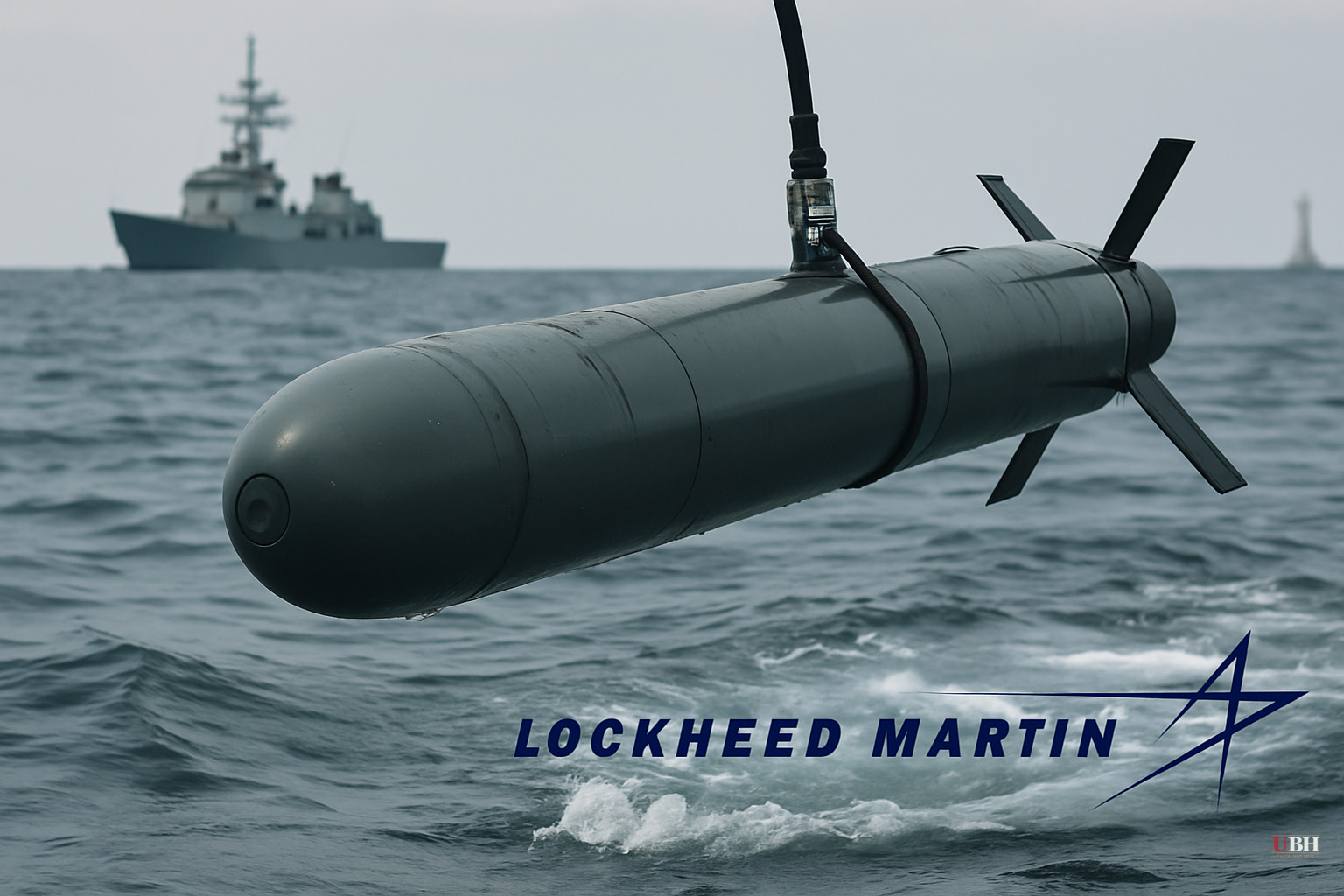
Lockheed Moves Toward a Major Naval Expansion
Lockheed Martin is leading the race to acquire Ultra Maritime, a naval defense company owned by private equity firm Advent International, according to CNBC. The reported deal price is roughly $3.5 billion. Guggenheim and JPMorgan are advising on the sell side.
Advent put Ultra up for sale earlier in 2026 with an initial ask of more than 3 billion pounds, approximately $4 billion at current exchange rates. The reported deal price of $3.5 billion suggests some negotiation off that opening figure, though no final terms have been confirmed.
The Financial Times reported last week that talks remain ongoing and an announcement could come as early as this week.
What Ultra Maritime Actually Does
Ultra Maritime is not a household name, but its products are strategically significant. The company specializes in anti-submarine warfare technology, systems designed to detect, track, and counter enemy submarines. Its portfolio includes radar systems, electronic warfare platforms, and torpedo defense countermeasures.
For Lockheed Martin, the acquisition would add a meaningful foothold in undersea warfare at a moment when naval competition, particularly with China, is driving defense procurement decisions across the U.S. and allied governments. Lockheed is best known for air power: the F-35 Lightning II fighter jet, Patriot air defense missiles, and a range of precision munitions.
Defense Spending Is at a Record High
The strategic backdrop matters here. The Stockholm International Peace Research Institute reported in April 2026 that global defense outlays in 2025 reached $2.89 trillion, a staggering figure driven in large part by European nations accelerating military spending in response to the ongoing war in Ukraine and instability in the Middle East.
That spending surge has translated directly into defense stock performance. Defense equities have had a strong run through 2026 as governments queue up contracts for munitions, air defense, and maritime systems. A $3.5 billion acquisition in this environment is expensive, but the underlying revenue pipeline that comes with it is also more predictable than it would have been five years ago.
The Case for Scrutiny
Lockheed Martin is already one of the largest and most powerful defense contractors on the planet. Absorbing Ultra Maritime continues a consolidation trend that critics, including fiscal conservatives and Pentagon reformers, have long argued reduces competition, inflates contract prices, and leaves the government with fewer vendors to pit against each other at the bidding table.
The U.S. defense industrial base has contracted significantly over the past three decades, and some analysts argue the current dominance of a handful of primes—Lockheed, Raytheon, Northrop Grumman, General Dynamics—makes the Pentagon structurally dependent on companies with significant leverage over pricing. Any regulatory review of this deal will need to weigh whether Ultra's niche anti-submarine capabilities stay competitive post-acquisition or get absorbed into a product line with less incentive to innovate aggressively.
No investigation or regulatory challenge to the deal has been announced as of July 5, 2026. Anti-submarine warfare is a narrow specialty. The market structure argument is strongest when a merger directly eliminates a head-to-head competitor, which the available reporting does not establish here.
What Comes Next
No deal has been signed as of today. The Financial Times characterized talks as ongoing, with a potential announcement possible in the near term. Until Lockheed Martin and Advent International confirm terms, the $3.5 billion figure and deal structure remain subject to change.
The unresolved question of immediate consequence is whether the deal will face antitrust scrutiny from the Department of Justice or pushback from the Committee on Foreign Investment in the United States, given Ultra Maritime's work on sensitive naval defense technologies. Neither agency has commented on the matter publicly.
Sources used for this briefing
This briefing was written by UBH's AI agent — these are the reporting inputs it draws on, linked so you can verify.


