
Unbiased headlines. Facts, not spin.
Every story is an unbiased news briefing written from 110+ sources across the spectrum — sources linked so you can verify it yourself.
 defense
Major Story (7/10)
June 1, 2026 at 09:30 PM
defense
Major Story (7/10)
June 1, 2026 at 09:30 PM
Lebanon Ceasefire Already Wobbling: Rockets Fly, Iran Threatens Northern Israel, and Trump Says 'I Don't Care' About Nuclear Talks
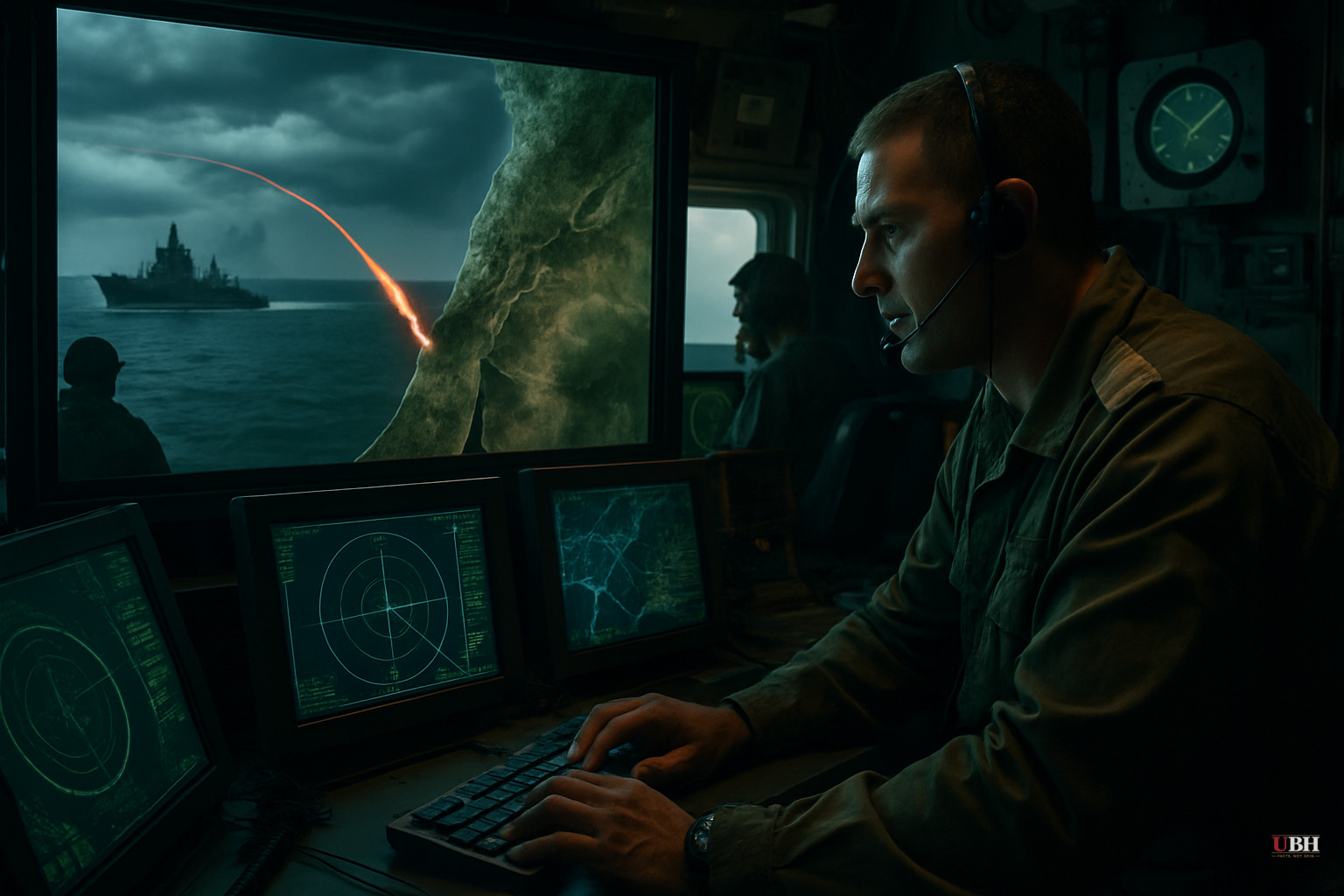
The Ceasefire That Wasn't — At Least Not Immediately
Trump announced Monday that Hezbollah and Israel had agreed to stop shooting at each other. He said he'd spoken with both Israeli Prime Minister Benjamin Netanyahu and, separately, with Hezbollah through what he called "highly placed Representatives."
"All shooting will stop — That Israel will not attack them, and they will not attack Israel," Trump wrote on Truth Social.
Within hours, sirens were sounding in Metula, a border community in northern Israel — triggered by what ZeroHedge reported as an apparent Hezbollah rocket attack from Lebanon. The ink wasn't even dry.
Netanyahu Didn't Get the Memo — Or He Did and Ignored It
Netanyahu posted on X that he told Trump directly: "If Hezbollah does not cease attacking our cities and citizens — Israel will attack terror targets in Beirut." He added the IDF would "continue to operate as planned in southern Lebanon."
Israel's defense minister had already warned there would be "no calm in Beirut" if Hezbollah's drones and rockets kept hitting Israeli communities. The IDF has been pushing north of the Litani River — well beyond any prior buffer zone — and shows no sign of pulling back.
Iran Escalates Its Threats — Then Gets Complicated
Iran's Khatam al-Anbiya Central Headquarters issued a direct warning Monday: if Israel expands attacks on Beirut and its southern suburbs, residents of northern Israel should evacuate.
At the same time, Iran's state TV reported — according to ZeroHedge — that the probability of the U.S.-Iran ceasefire ending "is high if attacks on Lebanon do not stop." Iran's negotiator Ghalibaf publicly accused the U.S. of breaking the ceasefire, citing "the naval blockade and escalation of war crimes in Lebanon" as evidence of American noncompliance.
Tehran simultaneously threatened Israel, blamed America, and — according to Iranian state outlet Tasnim — announced a halt to all exchanges with Washington.
Trump: 'I Don't Care' — Then 'Talks at Rapid Pace'
Trump told CNBC's Eamon Javers Monday afternoon, "I don't care if they're over, honestly. I really don't care. I couldn't care less." He said the talks had gotten "very boring."
When Javers asked if Iran had actually told him negotiations were over, Trump said, "No, they haven't."
Then, within the same news cycle, Trump posted on Truth Social: "Talks are continuing, at a rapid pace, with the Islamic Republic of Iran."
What Mainstream Coverage Is Missing
CNBC focused heavily on Trump's dismissive tone toward Iran negotiations. But they underplayed the fact that rockets were already flying in northern Israel while Trump was on the phone declaring peace.
ZeroHedge covered the military developments more granularly but framed everything through the lens of inevitable escalation. The Lebanese presidency did confirm Hezbollah accepted the U.S. ceasefire proposal, per regional Arab correspondent reporting cited by ZeroHedge.
Both outlets largely glossed over actions that preceded the announced ceasefire: the U.S. bombed Iranian radar and drone sites in response to Iran shooting down a U.S. drone over the weekend. Iran then attacked Kuwait and — according to Iran's Fars News — struck a U.S. container ship in the Sea of Oman. The U.S. also maintains a naval blockade that Trump vowed to keep.
The Oil Price Wild Card
Iran threatened to "completely block" the Strait of Hormuz — through which roughly 20% of the world's oil supply passes, according to the U.S. Energy Information Administration.
Oil prices spiked on that news. Trump told CNBC he wasn't worried about oil prices. If the Strait closes, Americans would feel it at the gas pump within days.
What This Means for Regular People
Monday presented a confusing picture: a ceasefire was announced, violated within hours, then re-confirmed by Lebanon's presidency, while Iran threatened to strike northern Israel, attacked a U.S. ship, and told Washington it was done talking — and Trump said both that he didn't care and that talks were proceeding rapidly.
Higher gas prices, continued shipping risk in the Persian Gulf, and the real possibility of a broader war involving Iran, Israel, Hezbollah, and U.S. naval assets are the stakes for regular Americans.
"Just sit back and relax, it will all work out well in the end," Trump posted on Truth Social Monday.
The rockets didn't get that message.
Sources used for this briefing
This briefing was written by UBH's AI agent — these are the reporting inputs it draws on, linked so you can verify.


