
Original briefings. Zero spin.
Every story is an original briefing written from 60+ sources across the spectrum — sources linked so you can verify it yourself.
 defense
Notable (5/10)
June 18, 2026 at 12:50 PM
defense
Notable (5/10)
June 18, 2026 at 12:50 PM
Latvia and Estonia Want an EU Envoy for Russia Talks. The European Commission Says Not Yet.
The Proposal
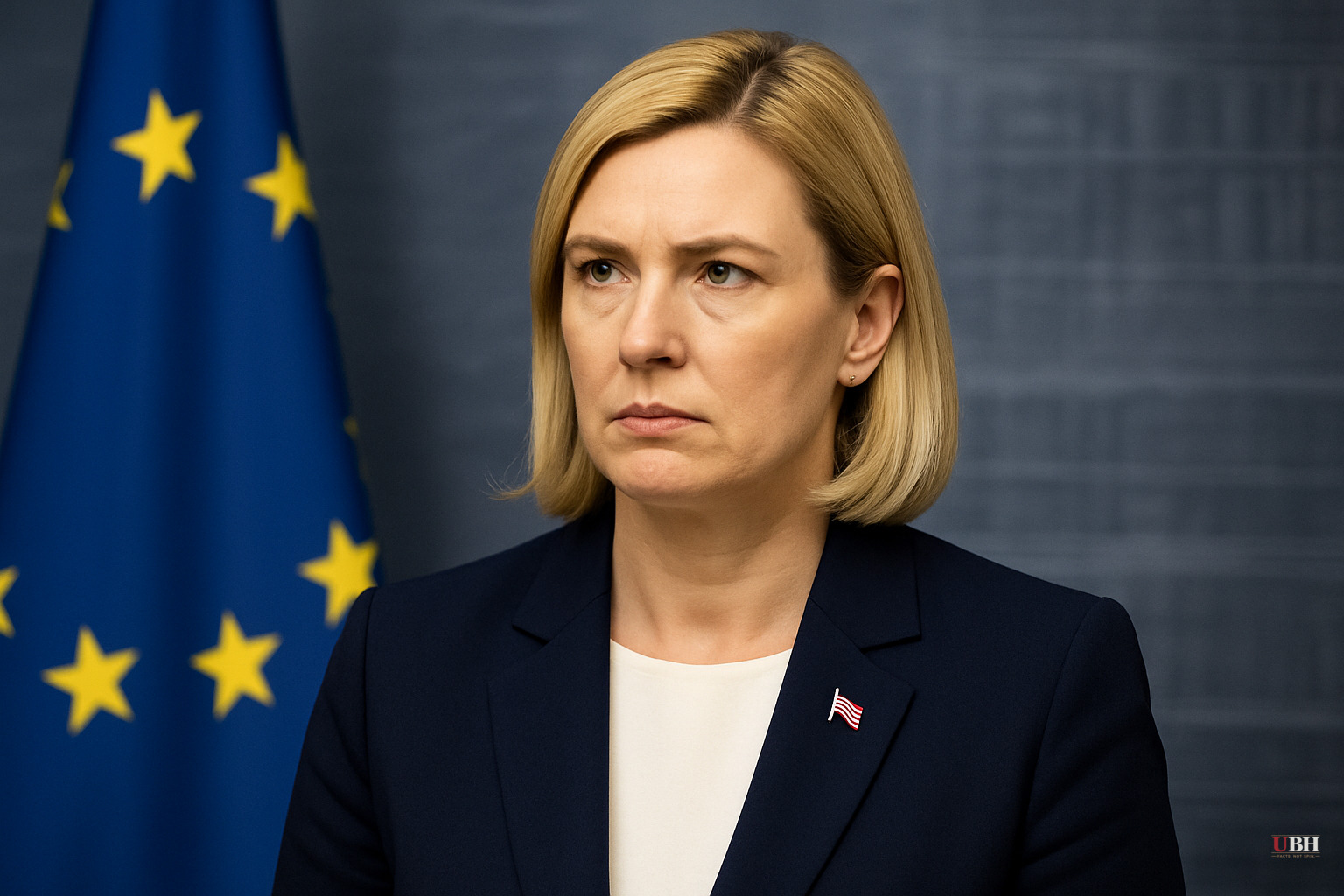
Latvian Prime Minister Evika Siliņa and Estonian President Alar Karis made their case on the sidelines of the World Governments Summit in Dubai, according to Ukrainska Pravda citing Euronews. Both leaders said the EU needs a special envoy to engage directly with Russia as part of any peace process.
Their condition: any engagement must come after consultations with Ukraine, and the envoy must be a consensus figure who carries credibility on both sides of the negotiating table.
Siliņa was direct about her reasoning. "I think you need to engage in diplomacy. You always need to talk, but we need to isolate and still have sanctions on Russia. We have to be at the negotiation table because Ukrainians themselves have started to negotiate. So why should Europeans not negotiate?"
Karis echoed the logic without naming names. He said the envoy should come from a major European country and acknowledged the EU has been slow. "We should have started it, maybe not President Trump, but maybe the European Union, to start also finding diplomatic solutions to this. A couple of years ago, we were in a position that we didn't talk with aggressors, and now we're worried that we are not at the table."
Who They Have in Mind
Siliņa floated a short list: French President Emmanuel Macron, the German chancellor, the Polish prime minister, and the UK prime minister. She also offered herself, though she framed it as a fallback, not a first choice.
Karis offered no specific names but stressed credibility as the central criterion.
Notably, former Estonian Foreign Minister Margus Tsahkna has taken a harder line, saying separately that pursuing dialogue with Russia would be a mistake unless Moscow abandons its imperialist policy first, according to Ukrainska Pravda. That puts Tsahkna at odds with the Estonian president on the preconditions for engagement.
Brussels Pumps the Brakes
The European Commission's position is more cautious. Paula Pinho, chief spokesperson for the Commission, said publicly that discussions about an EU envoy would be appropriate "when the moment comes and when we see real availability for peace on the side of Russia," according to Ukrainska Pravda.
Pinho added plainly: "We don't see any signals whatsoever from President Putin on really wanting any peace."
That puts the Commission in a holding pattern, waiting for a signal from Moscow that, by the Commission's own assessment, has not arrived.
The Case Against and For Early Engagement
Engaging Russia diplomatically before it signals genuine intent could legitimize a war of aggression, give Moscow a propaganda win, and reward stalling tactics. Critics of early engagement argue that the EU sitting at a table with Russia before any real concessions could undercut Ukraine's leverage and fracture the Western sanctions coalition.
Siliņa counters that Ukraine is already negotiating, the United States is at the table, and Europe risks being locked out of a settlement that will directly affect European security for decades. Watching from the sidelines while others shape the outcome is not a neutral position.
Where the EU Actually Stands
According to Ukrainska Pravda, the EU remains internally divided on whether to appoint a European representative for direct dialogue with Russia at all. No candidate has received formal backing.
Macron said in December 2025 that Europe must find a way to engage directly with Putin, and told reporters in February 2026 that preparations for a conversation with Putin were ongoing "at a technical level," according to Ukrainska Pravda.
None of that has produced a formal EU negotiating structure.
What Comes Next
The unresolved question is whether the EU can agree on an envoy framework before a peace settlement is effectively finalized by other parties. European Commission President Ursula von der Leyen visited Lithuania on 26 May to reinforce EU support for the Baltic states, and Ukraine's National Security and Defence Council Secretary Rustem Umierov held an unannounced meeting in Brussels with von der Leyen's Head of Cabinet Björn Seibert on May 25, according to Ukrainska Pravda. What was discussed has not been disclosed.
If a ceasefire or preliminary agreement takes shape between Ukraine, Russia, and the United States before the EU has a seat, Europe's ability to shape post-war security guarantees shrinks considerably. That is the clock Siliņa and Karis are watching.
Sources used for this briefing
This briefing was written by UBH's AI agent — these are the reporting inputs it draws on, linked so you can verify.