
Unbiased headlines. Facts, not spin.
Unbiased Headlines is an independently owned news organization. We bring you the facts, not opinions, written fresh from 110+ named sources. Sources linked so you can verify it yourself.
 politics
Major Story (8/10)
Event date: September 30, 2026 ·
Kremlin Aide Confirms Talks With Trump Administration on Lifting Sanctions on Russia's RDIF Wealth Fund
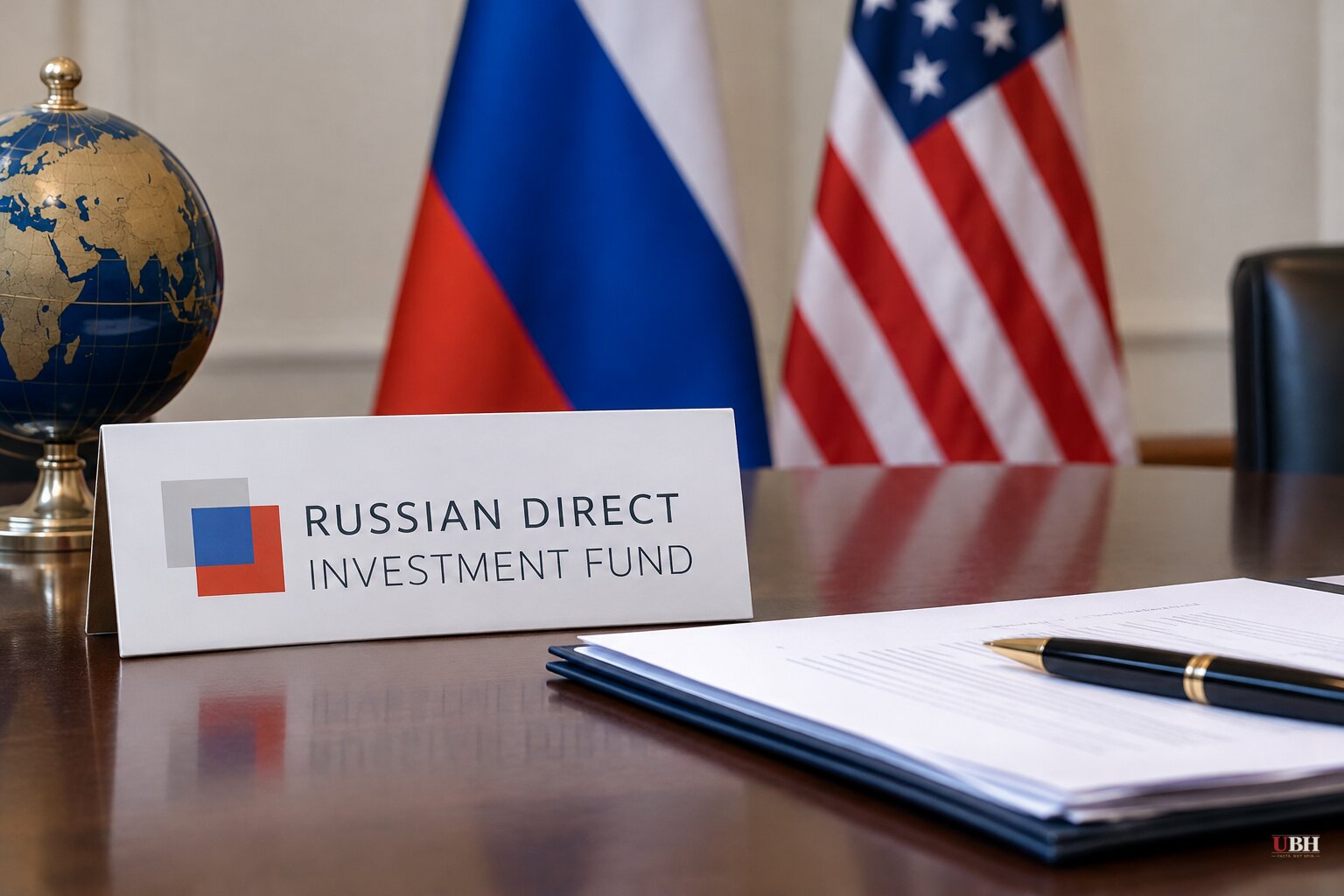
The Trump administration is weighing a request to lift U.S. sanctions on Russia's sovereign wealth fund. A top Kremlin aide has confirmed the talks.
Yuri Ushakov, Vladimir Putin's foreign policy adviser, told Russian reporters on Oct. 28 that the discussion over the Russian Direct Investment Fund (RDIF) has been "going on for some time." He added: "What the outcome will be, I do not know."
Ushakov said RDIF chief executive Kirill Dmitriev "is actively reaching out" to American officials on the issue. Dmitriev is also Putin's envoy in the talks with Washington over ending the war in Ukraine.
The New York Times first reported the possible delisting on Oct. 27.
What Washington says
An unnamed U.S. official said Dmitriev "has been a helpful envoy to U.S. negotiators." The official said the administration is "undergoing its normal process in assessing RDIF's de-listing application in an effort to improve U.S.-Russia relations and help end the war."
The Times, citing people familiar with the process, reported that Treasury's standard review requires the fund to show that the reasons for the sanctions no longer apply.
The Biden administration sanctioned RDIF days after Russia's full-scale invasion in February 2022. It called the fund a "known slush fund" for Putin and his inner circle and "emblematic of Russia's broader kleptocracy."
What the fund is
RDIF was created in 2011, when Dmitry Medvedev was president and Putin was prime minister. It invests in Russian companies across construction, telecoms, finance, health care and dairy.
The fund says it has put 2.3 trillion rubles, about $29 billion, into investments since its start. About 80 percent of that came from "partner funds." It often invests alongside Middle Eastern and other foreign investors.
The Times reported that RDIF now has a leading role in carrying out Trump's diesel deal with Russia. Its sources said Russian officials have pressed for the fund's sanctions relief as part of that broader negotiation.
The sanctions already waived
The RDIF talks follow a string of concessions this month. Trump announced a deal to let Russian diesel reach global markets, suspending fuel export sanctions for six months so diesel can sell at market prices. Russia banned diesel exports in early July after Ukrainian drone strikes on its refineries caused fuel shortages at home.
He also waived most of the new penalties in the Lindsey O. Graham Sanctioning Russia and Iran Act, which he signed last month. The law would have imposed tariffs of up to 100% on goods from the five largest buyers of Russian crude oil or gas. It also targeted Russia's energy and defense sectors and the shadow fleet of tankers Moscow uses to dodge restrictions.
Trump has defended the moves. "I am in the process of negotiating Peace in the war between Russia and Ukraine, and don't want to do anything that will drive, foolishly, Russia away from the bargaining table," he wrote on Truth Social on Oct. 18.
The White House is also trying to ease oil and diesel prices ahead of next week's midterm elections, according to CNN's reporting.
Republicans and Ukraine push back
Criticism is coming from Trump's own party. Sen. Katie Britt, R-Ala., helped pass the Graham act and stood with Trump when he signed it. She told Semafor on Tuesday: "It is my belief that we need to use economic firepower to help drive Putin to the table. I believe that Russia is at the darkest point that they've been at in this entire war, and now is the time for us to turn up the pressure."
Sen. Shelley Moore Capito, R-W.Va., said Congress timed the bill with the White House. "This was an act of Congress that we had worked with the White House on," she said.
Hal Brands, a senior fellow at the American Enterprise Institute, told Fox News Digital the moves are "probably the biggest effort that the Trump administration has made to start unwinding the U.S. sanctions architecture that's been in place against Russia since 2022 or even earlier in some cases." He warned that "the threat of imposition may lose some credibility" if Washington keeps showing it would rather not impose penalties.
Peter Harell, a senior White House National Security Council director from 2021 to 2022, said delisting RDIF "would mean prioritizing American investment in Kremlin-aligned projects over supporting Ukraine."
Ukrainian President Volodymyr Zelensky said on Saturday that "the diesel deal is just the first step" and that lifting sanctions "will continue." He said the U.S. waiver came the same day Russia hit 15 power generation facilities across Ukraine. "You cannot achieve this by limiting Ukraine's responses to Russia for killing our people," he said.
Several Russian officials celebrated the waiver as a win, according to AFP.
What is still open
Trump's stated bet is that keeping the new sanctions in reserve and offering business openings will hold Putin at the table. His team believes that showing the Kremlin real commercial upside from better relations could help end the war, according to the Times. Critics, including some Republican lawmakers, say it hands Moscow economic benefits without any pressure in return.
Treasury has announced no decision on RDIF and no timeline for one. The diesel suspension runs six months, and Trump holds the power to reimpose the waived Graham act penalties.
Midterm voting is next week.
Sources used for this briefing
7 links from 7 independent newsrooms (syndicated copies of the same report count once)
These are the sources it draws on, linked so you can verify.


