
Unbiased headlines. Facts, not spin.
Unbiased Headlines is an independently owned news organization. We bring you the facts, not opinions, written fresh from 110+ named sources. Sources linked so you can verify it yourself.
 politics
Major Story (8/10)
Event date: October 28, 2026 ·
DOJ Election Monitors Will Stay Outside Polling Places in Indiana, Colorado, Wyoming and Other Jurisdictions Ahead of Nov. 3
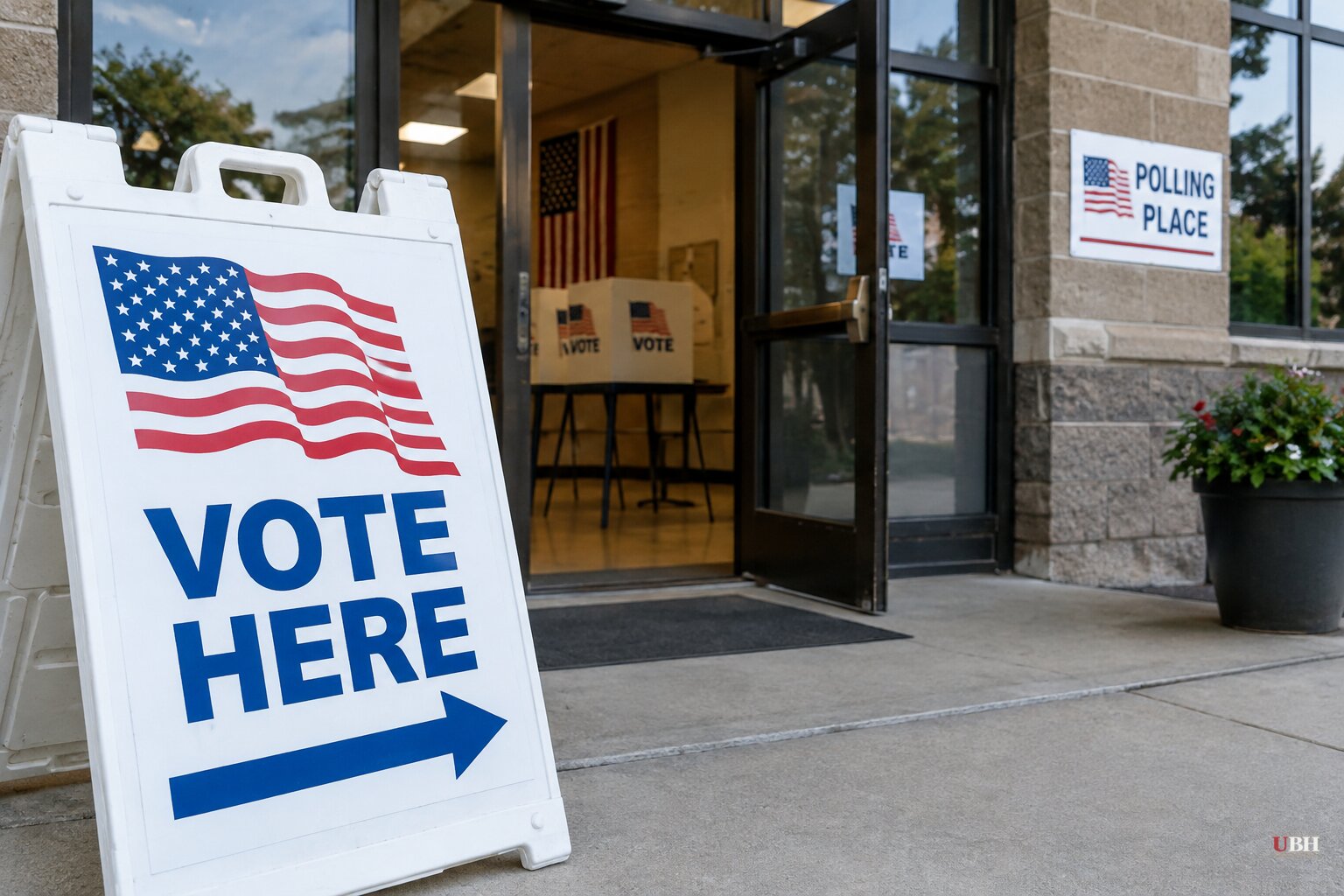
Since the Justice Department sent two monitors to Cheyenne for Wyoming's Aug. 18 primary and drew a public rebuke from Republican Gov. Mark Gordon, the fight over where federal observers may stand has moved from one county to several states. With Election Day set for Tuesday, Nov. 3, officials in Indiana, Kentucky, Colorado, Wyoming and Washington County, Arkansas, say the monitors will watch from outside.
The DOJ says it will deploy about 1,000 monitors across all 50 states. Harmeet Dhillon, head of the Civil Rights Division, has called it the largest monitoring effort in department history.
For scale, CBS News has reported that 289 monitors went out for the 2022 midterms and 714 for the 2024 presidential election. Separately, the department announced coverage of 64 jurisdictions in 24 states in 2022 and 86 jurisdictions in 27 states in 2024.
Indiana: 50 feet and plain clothes
Two dozen monitors are headed to Marion and Lake counties, up to 12 in each. Both counties host the state's only Democratic House members.
Marion County Clerk Kate Sweeney Bell said the monitors must stay at least 50 feet from vote center entrances, the same buffer that applies to people handing out campaign literature. She spoke with DOJ representatives by phone Wednesday.
An Indiana Election Division official said: "In our agency's view, our state law does not give federal monitors access to enter any voting location."
Sweeney Bell said the monitors will work in teams of two, wear plain clothes, carry no firearms and not act as law enforcement. They will visit an expected six or seven of Indianapolis's 182 vote centers.
Not all of them are DOJ employees. Sweeney Bell said some come from other federal entities but will carry temporary DOJ credentials and must show them on request. Court filings cited by Newsweek say participants include staff from the Bureau of Prisons, ATF, DEA and CBP, limited to routine Civil Rights Division monitoring duties.
DOJ representatives told Indiana officials the monitors would focus on polling place accessibility under the Americans with Disabilities Act and on provisional ballots under the Help America Vote Act. They also raised language assistance, though neither county is covered by that requirement. Sweeney Bell said they did not mention noncitizen voting.
Indiana Attorney General Todd Rokita said he welcomes the DOJ's decision to send monitors.
Colorado and Wyoming: written terms
In Colorado, Secretary of State Jena Griswold amended election rules on Oct. 9 to require state authorization for official observers entering voting centers. After the DOJ asked on Oct. 20 to watch Adams County, she offered access with conditions. Monitors would be accompanied by state-appointed observers at all times, stay in designated areas, and could talk only to each center's lead official. They could not speak to voters, touch equipment or take photos or recordings.
The department declined. "Our monitors will remain outside of polling places and not come within 100 feet of the building in accordance with Colorado state law," it responded. Griswold said it is illegal for anyone, including the DOJ, to intimidate or interfere with voters outside voting centers.
Wyoming's version came from Attorney General Keith Kautz. His opinion says the DOJ's general interest in monitoring does not give it authority to enter a polling place, absent a court order, settlement or consent decree. Clerks and election judges, he wrote, are required to exclude the general public, including monitors. Disturbing a polling place is a misdemeanor in Wyoming.
Laramie County Clerk Debra Lee said the DOJ met virtually with county officials Monday and agreed to comply. Monitors will stay 100 yards from the polls and interview only voters who agree. She said the August monitors raised no compliance concerns about her office.
Wyoming Secretary of State Chuck Gray, by contrast, defended the August visit, saying election observation is allowed.
What the DOJ says
The department rejects the framing of its program as a show of force. A spokesperson told Newsweek the DOJ has "never said that it would send federal law enforcement to the polls." The department says monitors will observe and report possible violations of federal law and must not interfere with voting.
On Wyoming, spokesperson Kiersten Pels said: "We disagree with the public framing that the two monitors we sent were 'aggressive' or did anything improper." She said Dhillon met with Wyoming officials afterward.
In Pennsylvania, a letter to state officials said monitoring in Philadelphia and Allegheny, Luzerne and Lehigh counties would proceed "in the same way as in the past," with monitors there to "observe and take notes." Secretary of State Al Schmidt said the state expects everyone in and around polling places to follow state and federal law.
The concerns
Voting rights advocates and state officials have objected to the scale of the deployment and to how it was rolled out. Officials in three states told NPR, speaking anonymously, that state governments were not initially notified at the same time as counties, as in past cycles.
NPR also reported that counties in Colorado, Florida, Minnesota, Texas and Washington had received notices, and that at least one county official has questioned why his locality was chosen. Critics cited by Newsweek warn that a larger federal presence could deter eligible voters. The DOJ has not said how it picked jurisdictions.
Most states reported no problems with monitors during primaries, according to NPR. Wyoming was the exception.
What's next
The DOJ has not released its full list of jurisdictions. A spokesperson told Newsweek it will do so on Election Day, Nov. 3, when polls open. Whether other states and counties enforce the same distance limits, and whether monitors honor them, will be known by then.
The Justice Department has agreed to comply in Wyoming and has said its monitors will remain outside polling places in Colorado. Indiana officials say the monitors there will also stay outside.
Sources used for this briefing
7 links from 6 independent newsrooms (syndicated copies of the same report count once)
These are the sources it draws on, linked so you can verify.


