
Unbiased headlines. Facts, not spin.
Every story is an unbiased news briefing written from 110+ sources across the spectrum — sources linked so you can verify it yourself.
 finance
Notable (6/10)
June 10, 2026 at 09:01 AM
finance
Notable (6/10)
June 10, 2026 at 09:01 AM
KKR, BlackRock, and Apollo Are Scrambling to Fix Struggling Private Credit Funds — While Apollo's Stock Sits 12.7% Down Year-to-Date
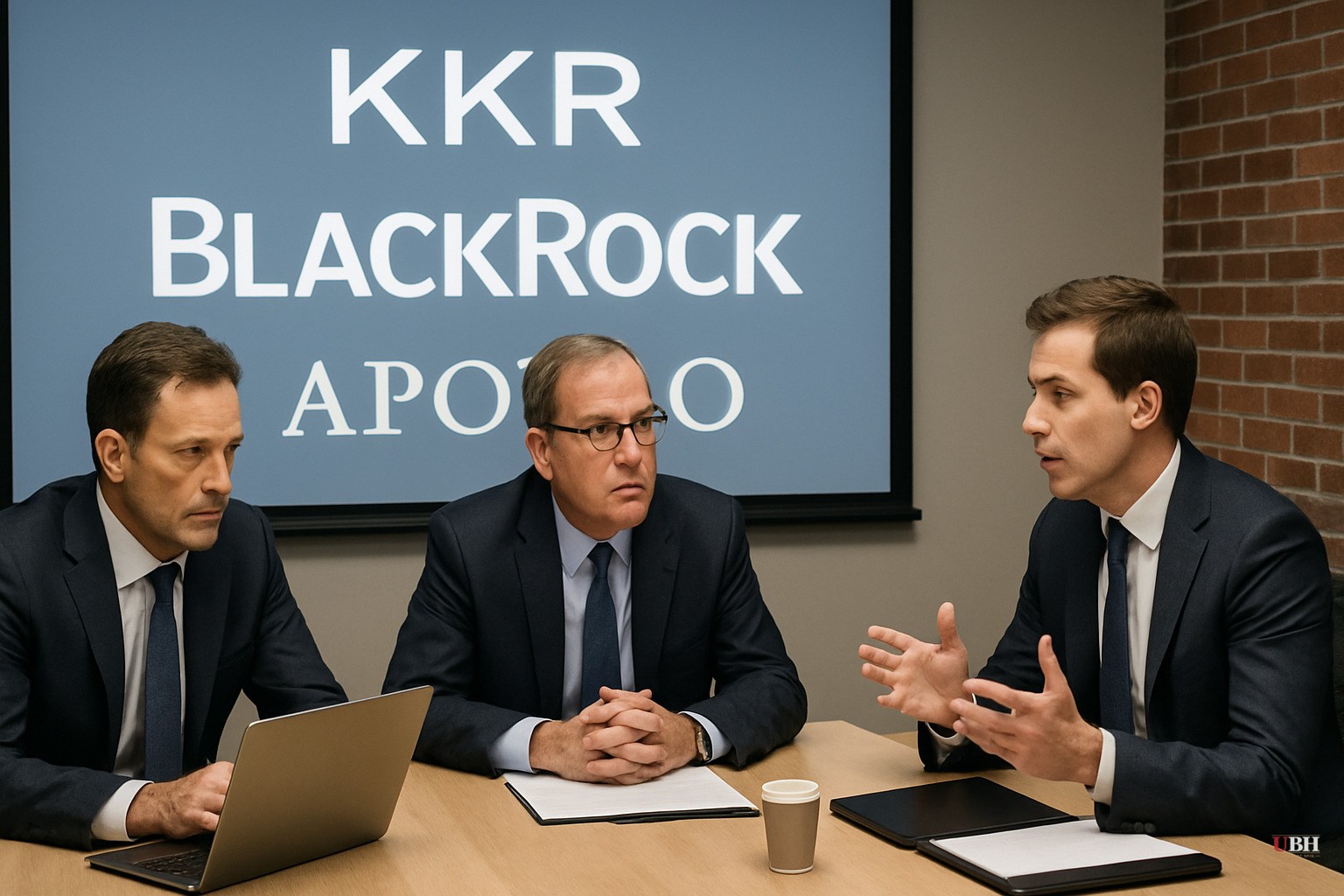
Since this week's coverage tracked Apollo and Blackstone's $35 billion private credit deal to finance Anthropic's AI chip expansion, the story has taken a sharper turn: the same firms deploying record capital are simultaneously scrambling to fix funds that aren't working.
The Problem Nobody in the Industry Wants to Talk About
KKR, BlackRock, and Apollo are actively working to restructure struggling private credit funds, according to Wealth Management. No specific fund names or dollar amounts were confirmed in the available sourcing — but the fact that all three of the biggest names in alternative asset management are in repair mode at the same time warrants attention.
This pattern extends across the top of the industry.
Apollo's $1 Trillion Milestone Comes With a Catch
Apollo crossed $1 trillion in assets under management — a significant milestone. The firm also announced a share repurchase program and maintained its dividend. On paper, that looks like a victory lap.
Except Q1 2026 earnings missed analyst estimates, according to Simply Wall St. The stock is down 3.9% over the past month and down 12.7% year-to-date as of the June 10, 2026 close at $128.03 per share. The three-year and five-year returns remain strong — 84% and 145% respectively — but the short-term picture is under pressure.
The Valuation Problem Is Real
Apollo trades at a P/E of 63.9x, according to Simply Wall St's analysis. The firm's own model estimates a fair P/E of 24.7x. The broader U.S. Diversified Financial industry average sits at 16.6x. The peer average is 30.1x.
Apollo is priced like a high-growth tech company, not like a financial firm managing retirement assets and private loans. The gap between 63.9x and 24.7x is enormous. That premium only makes sense if earnings growth stays aggressive — and Q1 already missed.
What's Driving the Pressure
Three forces are converging, per Simply Wall St: earnings estimate cuts from analysts, growing regulatory scrutiny of how private credit assets are valued, and uncertainty around whether AI-related capital spending commitments will actually deliver returns.
On the valuation scrutiny point, private credit funds don't mark to market the same way public bonds do. Values are often determined by the fund manager's own models. Critics, including some institutional investors and regulators, have raised questions about whether those marks are aggressive. This concern has been raised before and has not been resolved by a formal investigation or enforcement action — no charges or regulatory findings have been announced — but it remains an open structural question for analysts watching the space.
The Fair Counterargument
Here's the strongest case for the bulls: Apollo's $1 trillion AUM milestone is real and durable. The firm has diversified into retirement services through Athene, which provides a more stable fee base than pure fund management. Long-duration capital commitments — like the Anthropic deal — generate sticky, predictable income streams that justify premium valuations to some degree. And buybacks plus dividends signal management confidence. The 84% three-year shareholder return is substantial. Investors who've held through cycles have done well.
The counter is that at 63.9x earnings, you're paying for perfection — and Q1 wasn't perfect.
What Mainstream Coverage Is Missing
Most financial press is covering these stories in silos. The $35 billion Anthropic deal gets reported as a triumph. The struggling fund restructurings get a brief item. The earnings miss gets a separate note. The valuation disconnect gets a quick mention.
The same firms doing headline-grabbing mega-deals are simultaneously fixing funds that aren't working. Every large firm has underperformers, but it matters when the stock is priced for flawlessness.
The regulatory scrutiny angle is also getting soft-pedaled. Private credit has grown to roughly $2 trillion in the U.S. alone over the past decade, with valuations determined largely by the managers themselves. Whether current valuation practices hold up under stress or under closer regulatory attention is a legitimate systemic question.
What This Means for Regular People
If you hold Apollo stock — or funds that hold Apollo stock — the short-term math is uncomfortable. Down 12.7% year-to-date at a P/E more than double the peer average is not a setup that rewards passive holding unless earnings growth re-accelerates.
More broadly: private credit is now embedded in pension funds, insurance products, and 401(k) alternatives marketed to ordinary savers. If private credit valuations face a serious reset — not guaranteed, but possible — the impact won't stay inside hedge fund land. It reaches retirement accounts.
The trillion-dollar headline is real. So is everything underneath it.
Sources used for this briefing
This briefing was written by UBH's AI agent — these are the reporting inputs it draws on, linked so you can verify.


