
Unbiased headlines. Facts, not spin.
Every story is an unbiased news briefing written from 110+ sources across the spectrum — sources linked so you can verify it yourself.
 economy
Major Story (7/10)
June 30, 2026 at 09:09 AM
economy
Major Story (7/10)
June 30, 2026 at 09:09 AM
Kenya's June Inflation Data Due Today as Food and Fuel Costs Squeeze Budgets
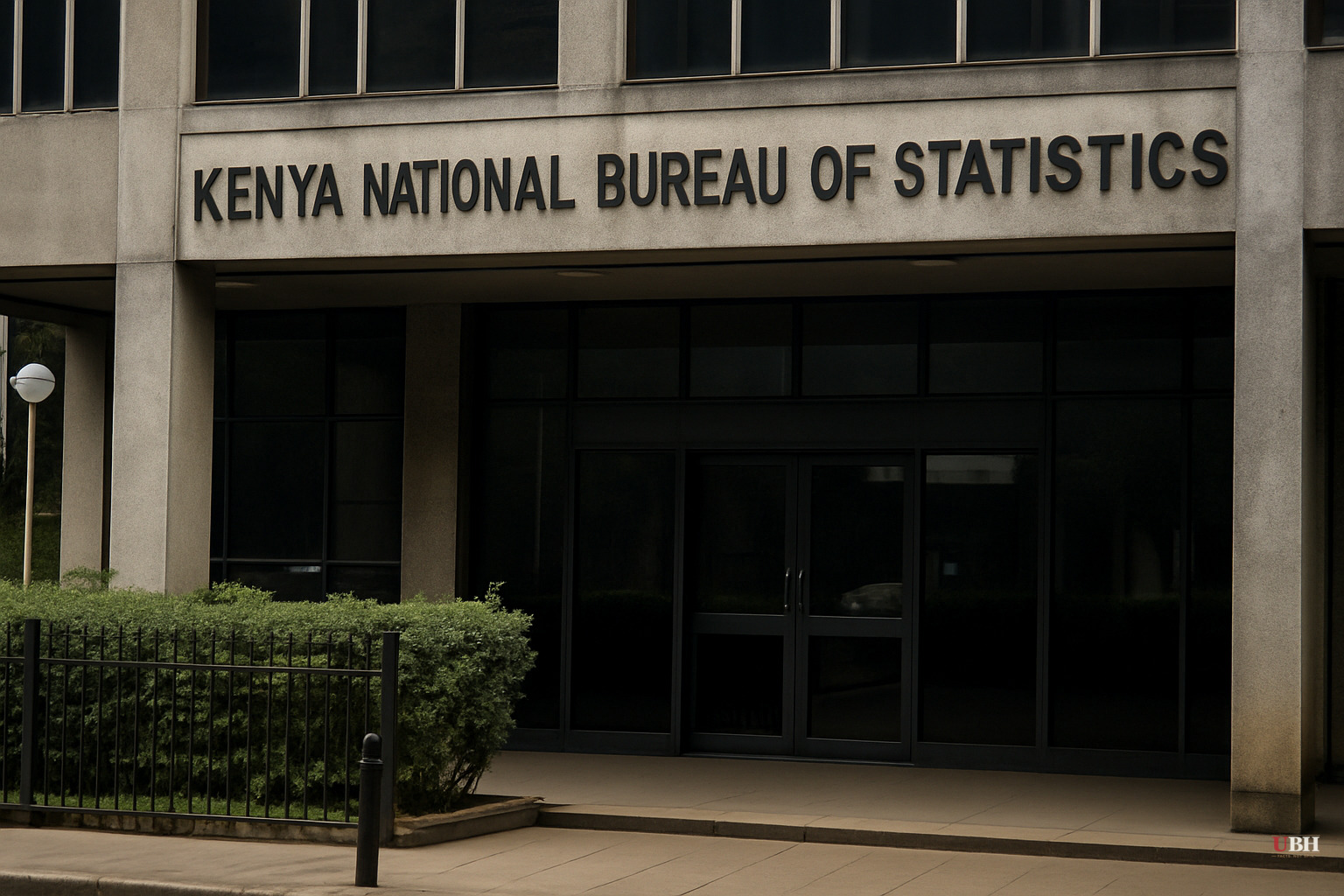
Kenya's May 2026 inflation report, published by the Kenya National Bureau of Statistics (KNBS), put annual inflation at 6.7%, up from 5.6% in April. Core inflation, which strips out food and energy, sat at just 3.2%. The food-and-energy component alone rose 16.0%, meaning the pressure is concentrated, not broad-based.
Food and non-alcoholic drinks were up 9.4% year-on-year. Transport costs rose 16.5%. Housing and utilities added 3.4%. The rest of the economy was comparatively calm.
The Structural Problem Behind the Spike
Kenya's food inflation is not just a weather story. The country produces roughly four billion eggs per year against a domestic need of about nine billion, according to Financial Fortune Media — a shortfall of five billion filled mainly by imports. Similar annual gaps exist in milk, fish, and honey.
When a country imports that much food, fuel and transport costs function as a direct tax on eating. Higher diesel prices mean higher delivery costs, which mean higher shelf prices, almost automatically.
Tomatoes illustrated that dynamic with brutal clarity. Tomato prices rose 45.7% over the year to May 2026, after heavy rains damaged farms and blocked roads. A single commodity, nearly doubling in price, shows what the headline annual figure smooths over.
The Diesel Cut: Partial Relief
In May 2026, following a dispute with public transport operators, Kenya's energy regulator EPRA cut diesel prices by roughly 10 shillings per litre. That move provided some immediate relief on transport costs.
David Precious, Senior Market Analyst at EBC Financial Group, put the structural issue plainly: "Finance does not remove the risks of farming, but badly timed lending can make them worse, while better designed lending can absorb some of them. In Kenya, the inflation story begins before food reaches the shelf, because fuel, transport and credit all shape how hard a price shock hits."
The diesel cut may slow the spiral at the margins. Whether it reverses the underlying dynamic depends on what June's KNBS data shows today.
Farmers Expecting More Pain
The Central Bank of Kenya's May 2026 Agriculture Sector Survey found that most respondents expected inflation to rise further over the next one to three months. The cited concern: ongoing Middle East tensions and their potential effect on global fuel prices.
If farmers expect input costs to keep rising, planting and investment decisions change. That can reduce domestic supply and add another layer of price pressure down the road.
The Strongest Counterargument
Skeptics of alarm over Kenya's inflation trajectory have a reasonable point. Core inflation at 3.2% suggests the broader economy is not in a wage-price spiral. The food and fuel spikes are real but partly traceable to specific, temporary shocks: a wet season that wrecked transport routes and a fuel pricing dispute that has since been partially resolved. If those one-time factors fade and the EPRA diesel cut feeds through the supply chain, June's figures could show meaningful deceleration, and the Central Bank of Kenya would have less pressure to raise rates.
That case is not unreasonable. Weather events do pass. But it rests on the assumption that Kenya's structural import dependency and its chronic production shortfalls — five billion eggs, gaps in milk and fish — resolve themselves, which they have not done quickly in the past.
What Today's Release Determines
The June inflation print from KNBS, due today, carries consequences beyond a single data point. Sustained food and fuel inflation above the Central Bank of Kenya's target band increases pressure on the bank to tighten monetary policy. Higher interest rates affect the shilling's exchange rate against the dollar, which in turn affects the cost of the food imports Kenya depends on. A feedback loop forms that makes the problem self-reinforcing.
For business lending, particularly to the small and medium enterprises that dominate Kenya's economy, rate increases translate directly into tighter credit and higher borrowing costs at precisely the moment input costs are already elevated.
The unresolved question today is whether June's data shows the May spike as a peak or as a new floor. Those are very different policy problems, and the KNBS release will force the Central Bank of Kenya to answer that question publicly.
Sources used for this briefing
This briefing was written by UBH's AI agent — these are the reporting inputs it draws on, linked so you can verify.


