
Unbiased headlines. Facts, not spin.
Unbiased Headlines is an independently owned news organization. We bring you the facts, not opinions, written fresh from 110+ named sources. Sources linked so you can verify it yourself.
 tech
Major Story (8/10)
Jury Convicts Huawei of Trade Secret Conspiracy and Bank Fraud, Acquits on Racketeering
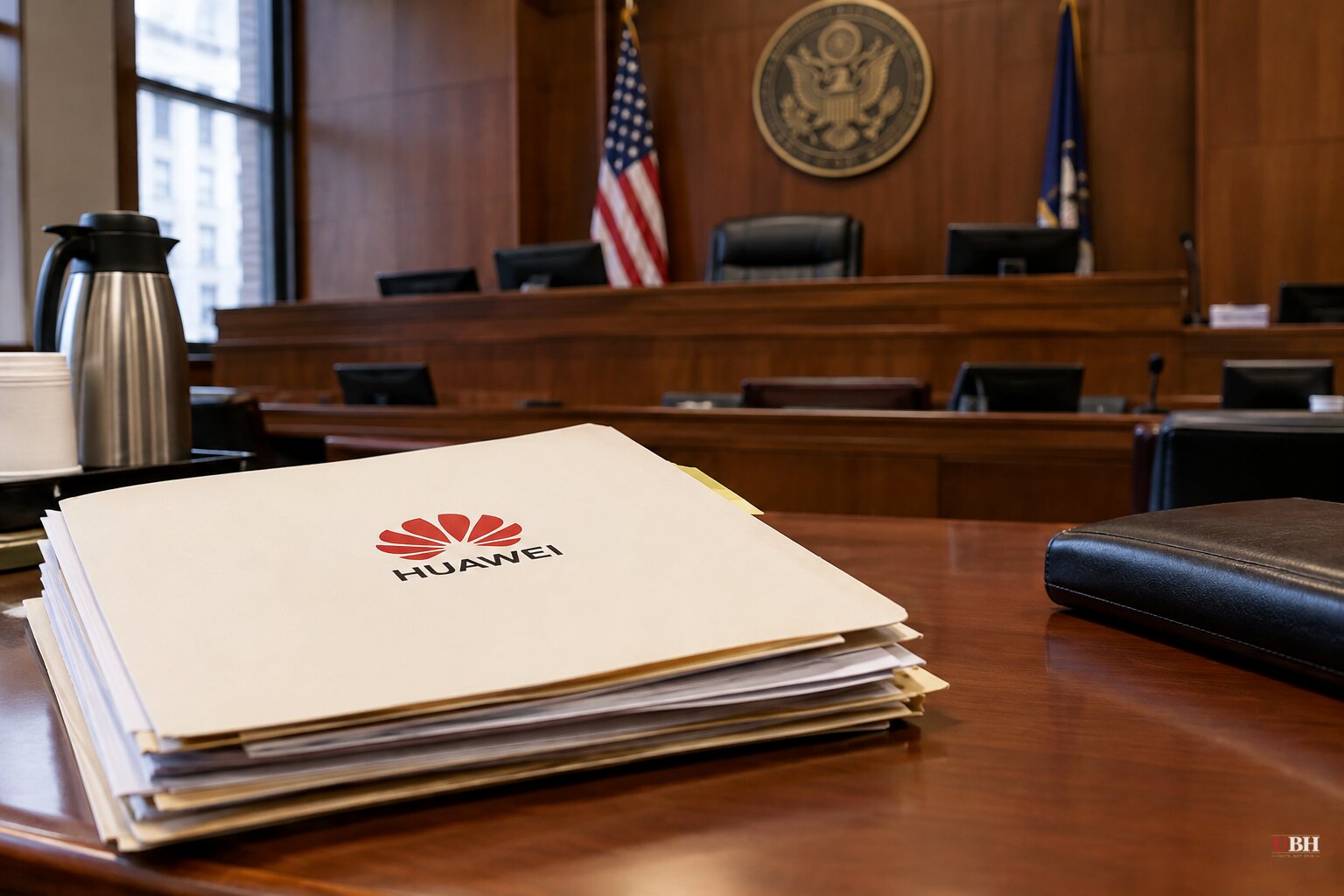
A federal jury in Brooklyn convicted Huawei Technologies today, Nov. 24, of conspiracy to steal trade secrets and bank fraud. It found the company guilty on 10 of 12 counts, including conspiracy to violate U.S. sanctions.
Jurors declined to convict on the racketeering conspiracy charge, the most serious count and the one prosecutors used to portray Huawei as a criminal enterprise.
What the jury decided
The case went to trial in the U.S. District Court for the Eastern District of New York and ran about 11 weeks. Prosecutors called more than 60 witnesses. The defense called 15.
Huawei and three affiliates faced 12 charges in all: racketeering conspiracy, bank fraud, wire fraud, sanctions violations, conspiracy to steal trade secrets and obstruction of justice.
Racketeering is a statute normally aimed at organized crime and drug rings. Prosecutors tried to apply it to a telecom giant with operations in 170 countries and more than 200,000 employees.
The government's case
The indictment alleged a long pattern of theft. Prosecutors said Huawei once sold internet routers containing source code copied from a competitor. They said a person working for Huawei slipped into a competitor's booth at a Chicago trade show to photograph the circuits inside a networking device. In another episode, they said, a Huawei worker removed a robotic arm from a competitor's lab so it could be photographed and measured.
Court records name Cisco Systems, Motorola Solutions, T-Mobile, Quintel USA and Fujitsu as victim companies. Prosecutors also accused Huawei of doing business in Iran and North Korea in violation of U.S. sanctions and of lying to banks and U.S. officials to hide it.
Assistant U.S. Attorney Meredith Arfa told jurors that Huawei spent 20 years doing whatever it took to expand its business. "The tone was set at the top by Huawei leaders and executives who themselves engaged in criminal conduct, like lying to Congress, lying to banks, violating US sanctions and trying to interfere with the very criminal investigation that led to this case," she said.
Huawei's response
Huawei's lawyers argued that investigators took isolated episodes of wrongdoing by a few employees and built a conspiracy that never existed. Defense attorney Brian Heberlig told jurors the company "didn't steal its way to success." He said prosecutors relied on "innuendo and facts ripped out of context" and on former employees "with a bone to pick." He also said much of the material the U.S. calls stolen was already public.
Outside court, Heberlig said the company will appeal the convictions. He called the racketeering acquittal vindication. "That was the only count that brought all of the allegations together," he said, adding that the verdict "repudiated the central government narrative in the case."
In a statement, Huawei said the acquittal "confirms that these allegations lack factual basis and vindicates our consistent position over the past eight years." It said the five trade secret charges "were all civil matters that were resolved over the past two decades." It added: "No court ever found Huawei liable for willful intellectual property misappropriation, and the company was never ordered to pay damages for trade secret misappropriation."
The company also said it believes the remaining charges are "equally without legal or factual merit" and that it will "take all necessary legal actions to defend our rights and interests."
Chinese officials have long said the U.S. engages in "economic bullying" and uses national security as a pretext to suppress Chinese companies.
Eight years in the making
The case traces to the late-2018 arrest in Canada of senior executive Meng Wanzhou. U.S. prosecutors announced charges in January 2019 and later expanded them. Meng was held for three years in Canada before returning to China under a deal with U.S. prosecutors. In 2019 Washington also put Huawei on a trade blacklist restricting its access to U.S. technology.
The verdict lands on a company that has not been allowed to sell equipment to U.S. carriers for years because of security concerns. Canada and Britain have also blocked it.
That has not stopped Huawei elsewhere. Its phones and telecom gear sell worldwide. It has also moved into chipmaking and is becoming an important alternative inside China to Nvidia, as AI demand drives chip purchases.
What comes next
A jury found that a company the U.S. government has called a national security risk stole from American firms and lied to American banks. It also refused to say that the whole enterprise was criminal. Both facts will matter on appeal and at sentencing.
Huawei has said it will appeal. What penalties the convictions carry, and whether they change anything for a company that already does business without the U.S. market, remains to be seen.
Sources used for this briefing
5 links from 5 independent newsrooms (syndicated copies of the same report count once)
These are the sources it draws on, linked so you can verify.


