
Unbiased headlines. Facts, not spin.
Unbiased Headlines is an independently owned news organization. We bring you the facts, not opinions, written fresh from 110+ named sources. Sources linked so you can verify it yourself.
 tech
Major Story (8/10)
Australia Moves to Pass Digital Duty of Care Law With Fines Up to 5% of Global Revenue
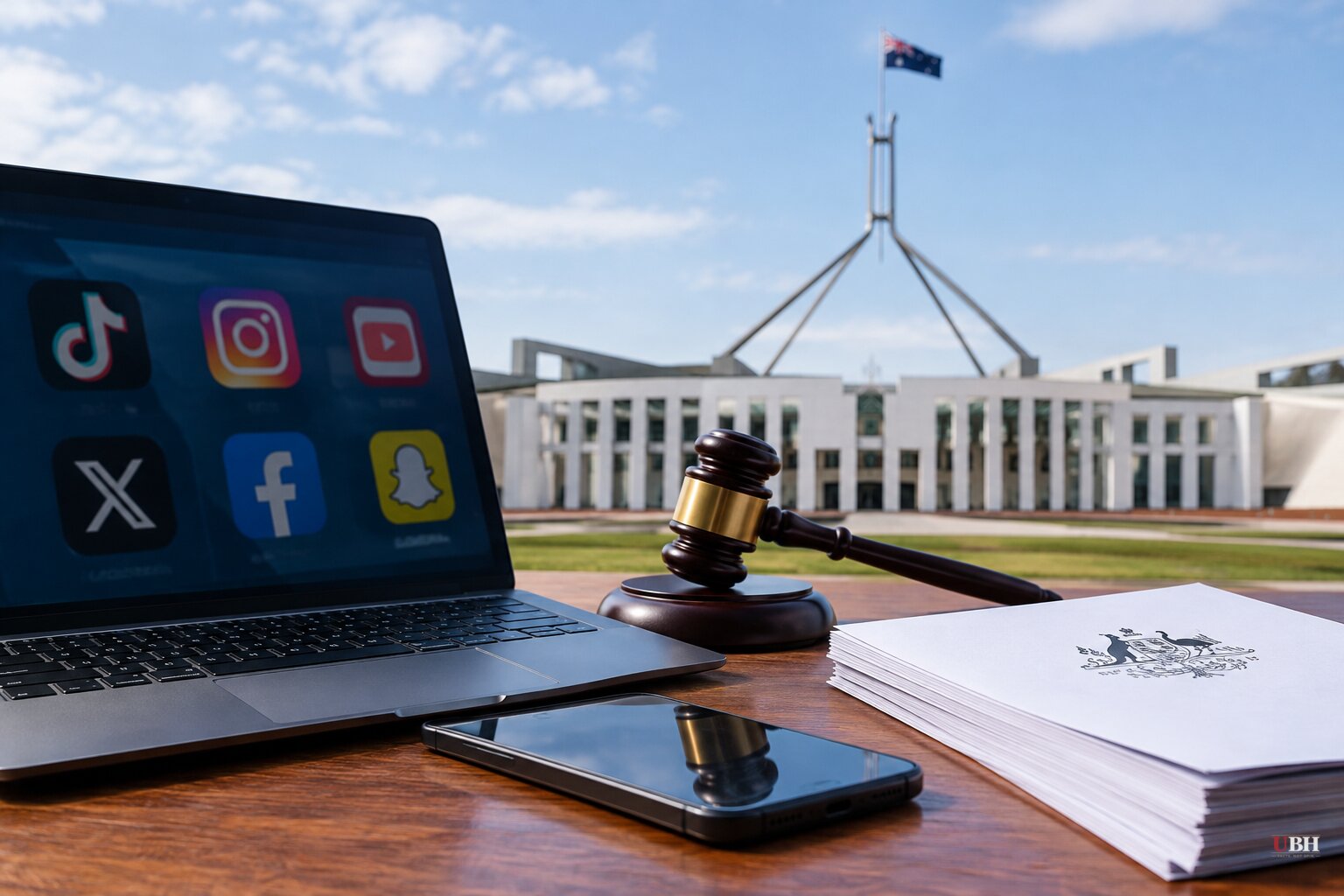
Australia is days from passing a law that would put tech giants on the hook for billions of dollars if they fail to prevent "foreseeable" online harm.
Communications Minister Anika Wells announced on Tuesday, Nov. 24, that Labor has accepted amendments from the Greens to get the Digital Duty of Care Bill through a Senate where no party holds a majority. Parliament rises for the year on Thursday, and the government says it will deliver the law this week.
"This is seismic reform, this is urgent reform and this is reform we will deliver to Australians in parliament this week," Wells told reporters in Canberra.
What the bill does
The law would replace a patchwork of industry-written codes with a single duty on social media, games, apps, search engines and AI chatbots. Platforms would have to proactively reduce the risk of harm before it happens.
The government's list of targeted harms includes child sexual abuse material, non-consensual fake nude images, gender-based violence, self-harm promotion and terrorism. Wells has also said content promoting suicide and eating disorders would be captured. There are separate lists for adults and children.
As Wells put it: "We can't cure the internet, but this is providing some basic safety standards and saying if you build it, you are responsible for its risks."
The money
The headline change is the penalty. The earlier draft capped fines at A$109 million (US$72.2 million). The Greens deal lifts the ceiling to 5% of a company's global revenue.
Meta's global revenue has run above US$200 billion over the past year. At 5%, a single breach could carry a fine of more than US$10 billion.
The Greens wanted 10%. Communications spokeswoman Sarah Hanson-Young welcomed the compromise, saying big tech companies "are going to be slugged billions and billions of dollars if they do the wrong thing."
Wells played down the prospect of such fines. She said courts in Europe have imposed penalties at a fraction of their legislated maximum. She also said 5% sits between Canada's 3% and the European Union's 6%.
Lawsuits and addictive design
Australians would gain a "private right of action" to sue platforms that breach the duty of care. Hanson-Young had pushed for class actions on the U.S. model. Wells said she expects the right to be used "fairly rare[ly]."
Pressed on how Australians would sue U.S.-based companies, Wells described the law as a launching pad. It creates a breach that "does not currently exist," she said. Users who skip court can also use an external dispute resolution pathway with power to impose extra safeguards on platforms.
From late 2027, Australians will be able to opt out of addictive algorithms. Platforms would be expected to wean off features such as endless scroll. The government will also consider an independent ombudsman for big tech.
Churches and small businesses secured a carve-out, following a Senate committee report late Friday. Content classified as expressing hostile attitudes to women will exclude material that merely disagrees with feminism, after religious groups raised fears their teachings could be caught.
Free speech objections
The Coalition opposed the bill from the start and will vote against it. Shadow industry minister Andrew Hastie called it "a massive imposition on free speech and political communication."
"Whilst the government is dressing this in the language of protecting children, they're actually moving towards censorship here, which is our main issue," Hastie told the ABC.
Washington is making a similar argument. U.S. Ambassador David Brat said he conveyed his government's objections to Wells on Tuesday. "Vaguely defined 'harms,' backed by penalties of up to 5% of global revenue, will push platforms to censor lawful speech," Brat posted on social media. He added that the U.S., as Australia's largest foreign investor, objects to "disproportionate compliance burdens on American companies relative to competitors."
The Trump administration raised "serious concerns" in a September submission to the parliamentary committee, including over how Australia would define "foreseeable harm."
Wells said she and Brat have "points of difference and we're ironing them out." She said she is unbothered by legal challenges. She was a respondent in the recent High Court case over the under-16 social media ban. "If people want to have another go, bring it on," she said.
Industry position
Most tech firms back the goal of protecting children and cutting harmful content, according to Reuters. Most opposed the bill because it gives government officials some discretion over what counts as harmful. Industry groups had warned before the fine increase that platforms could become heavy-handed in removing content to avoid punishment.
The Digital Industry Group, which lobbies for platforms, declined to comment because it had not seen the new draft. Google, Meta and Snapchat also declined to comment.
The government and Greens frame the law as a shift of power. Greens leader David Shoebridge said it takes power back "from a handful of billionaire-owned, largely U.S. corporations." Prime Minister Anthony Albanese told parliament it is "about Australia taking action on the side of parents and children, not foreign-owned tech companies."
Wells also thanked parents who lost children, saying they gave their "heart and soul" to push for better online safety.
What happens next
The Senate vote is expected this week, with Labor and the Greens supplying the numbers. The House of Representatives, where Labor holds a majority, must then pass the amended bill before Parliament rises Thursday.
The unresolved questions are the ones the opposition and Washington have raised. The government has not published the exact test that decides when a harm is "foreseeable" enough to trigger a fine. How a court would hear a suit against an overseas platform is also untested. Industry groups are still waiting to see the final text.
Sources used for this briefing
7 links from 7 independent newsrooms (syndicated copies of the same report count once)
These are the sources it draws on, linked so you can verify.


