
Unbiased headlines. Facts, not spin.
Unbiased Headlines is an independently owned news organization. We bring you the facts, not opinions, written fresh from 110+ named sources. Sources linked so you can verify it yourself.
 tech
Major Story (7/10)
Event date: November 20, 2026 ·
Nvidia Holds $30 Billion OpenAI Stake and Up to $105 Billion in Ohio Lease Guarantees, Has Paid Nothing So Far
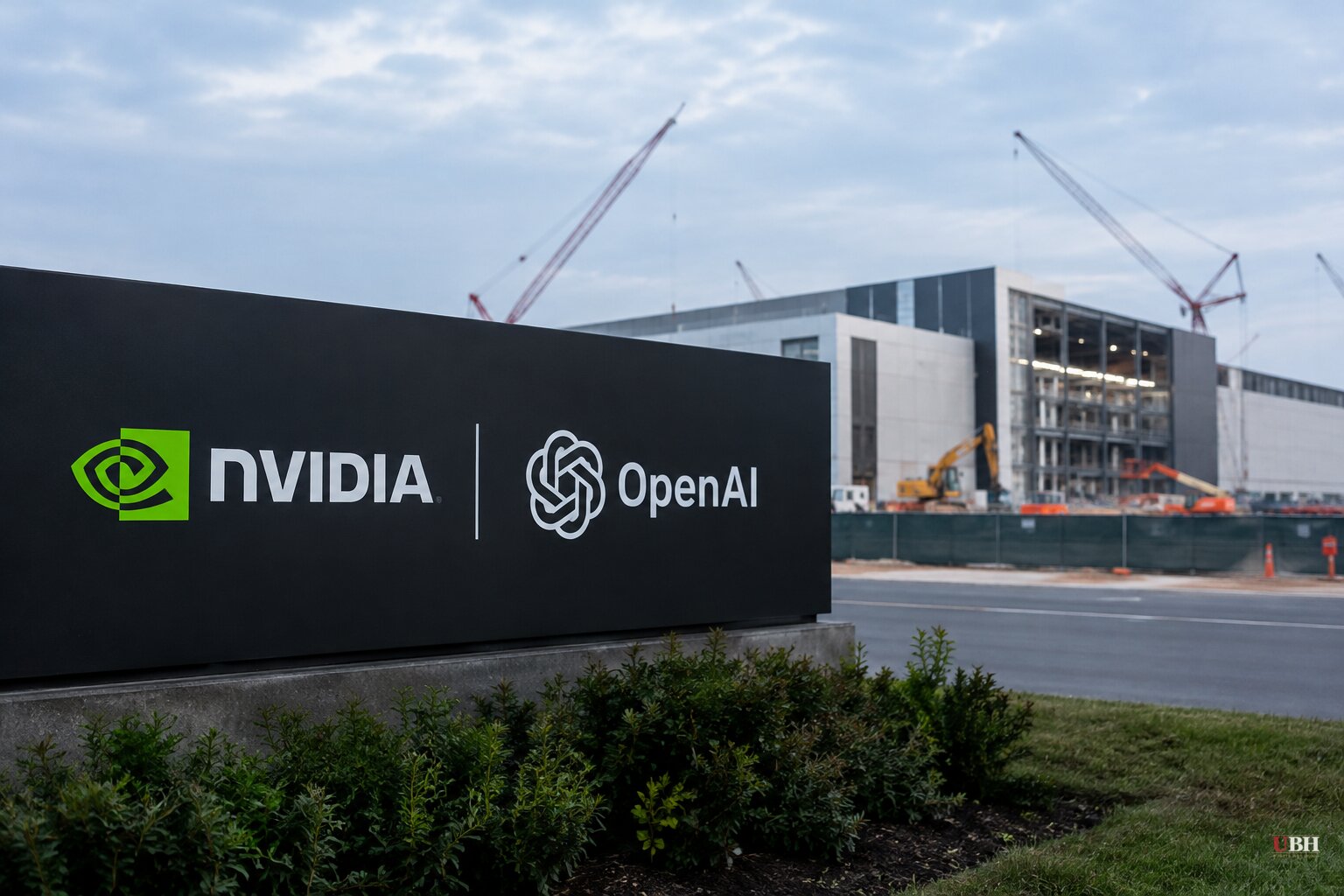
Nvidia is now OpenAI's shareholder, its chip supplier and the guarantor of the buildings that will house those chips. The dollar figures are large, and they are getting more attention since Jensen Huang resigned as CEO.
The $30 billion stake
OpenAI closed a $110 billion funding round on Feb. 27, 2026, at a $730 billion pre-money valuation. Nvidia put in $30 billion. SoftBank matched it at $30 billion, and Amazon committed more than $50 billion.
The equity deal replaced a looser September 2025 letter of intent for up to $100 billion in staged investment tied to gigawatt-scale deployments. OpenAI is not publicly traded.
The stake sits inside a much bigger pattern. Nvidia put $58 billion into public and private companies in the first nine months of its 2027 fiscal year, up from $5 billion a year earlier, according to its third-quarter disclosures.
The Ohio guarantees
In August 2026, Nvidia agreed to back up to $105 billion in credit support for SB Energy's PORTS-Pike Technology Campus in Ohio. The site is planned at about 4.25 gigawatts across nine buildings. Under 20-year leases to OpenAI, it will host Nvidia infrastructure exclusively, subject to limited exceptions.
The guarantees support land, power and shell construction. Nvidia assumes them in phases as contractors finish each building. The first is expected to take effect in fiscal 2029.
The $105 billion is not a blank check. Nvidia says certain tenant defaults would trigger its obligations, and those cover specified portions of lease and power payments, not the whole project cost or all of OpenAI's obligations. Exposure shrinks as OpenAI pays its leases. The guarantees also end if OpenAI reaches a satisfactory credit rating or the lease terms run out, according to Nvidia's SEC filing.
Nvidia says it has made no payments under any of its guarantees.
Nvidia also has a commercial reason. It estimates each generation of hardware at the campus could involve about 1.5 million of its GPUs and generate $150 billion to $200 billion in Nvidia revenue, with the site supporting multiple upgrade cycles.
How the numbers add up
The $105 billion is most of the $118 billion in maximum guarantee exposure Nvidia reported at the end of its third quarter. The other $13 billion covers separate power and systems credit support and guarantees for neocloud infrastructure. Against that, Nvidia held about $53.5 billion in cash and marketable securities.
Other tallies run higher. Bank of America estimated guarantees at $230 billion as of August 2026. Yahoo Finance counted about $530 billion in total commitments and guarantees in Nvidia's latest quarterly filing, including roughly $65 billion to rent back cloud capacity from companies such as CoreWeave. Those figures have not been reconciled with Nvidia's $118 billion.
Before the deal was set, the Wall Street Journal reported in July that Nvidia was in talks on a $250 billion backstop for a roughly 10 gigawatt Ohio campus. Nvidia shares fell about 5% on that report. The disclosed commitment is $105 billion for 4.25 gigawatts.
Scrutiny after Huang's exit
Huang resigned as CEO and left the board on Thursday, Nov. 12, effective immediately, after press reports about his personal life. CFO Colette Kress is interim CEO. Nvidia reported earnings on Nov. 17 as scheduled. The stock briefly hit its lowest level in more than a year on the day Huang left and was down about 7% at 12:40 p.m. ET today, trading between $150.50 and $159.92.
Critics call the structure circular. Nvidia invests in or backs customers, and those customers turn the money into chip orders. "It does bring into question what we've been talking about for ... the better part of the last year, which is a lot of these circular relationships," Liz Thomas, chief market strategist at SoFi, said at Yahoo Finance Invest. Investor Michael Burry has also criticized the practice.
Investor Steve Eisman went further on The Real Eisman Playbook. He argued Nvidia had become a "virtual vertical holding company," and that without it backstopping the AI stack, "AI is no longer one trade." He puts the AI-linked share of the S&P 500 at roughly 65% and expects a correction, not a long bear market.
The Nvidia-side case rests on the documents. The guarantees are conditional and secured on powered buildings, no money has gone out, and exposure falls as OpenAI pays. Nvidia also gets a 20-year exclusive hosting position for its own systems.
The risk that stays on the table is correlation. The OpenAI guarantee pays out only if OpenAI defaults, and Yahoo Finance notes that a downturn big enough to sink OpenAI would likely hit Nvidia's own sales at the same time. Nvidia's receivables reached $63 billion last quarter, with bills taking about 60 days to collect.
Reports suggest Nvidia will be more selective about funding customers going forward. Kress, who signed off on the existing deals as CFO, now decides how many more get written.
The first Ohio guarantee is not expected to take effect until fiscal 2029. Until then, the open question is whether OpenAI's finances keep pace with the nine buildings it has signed up to lease.
Sources used for this briefing
6 links from 6 independent newsrooms (syndicated copies of the same report count once)
These are the sources it draws on, linked so you can verify.


