
Unbiased headlines. Facts, not spin.
Unbiased Headlines is an independently owned news organization. We bring you the facts, not opinions, written fresh from 110+ named sources. Sources linked so you can verify it yourself.
 tech
Major Story (8/10)
Norway links Azure API Management flaw to attacks on Equinor and Skagerak Energi; Microsoft says its fix does not revoke stolen credentials
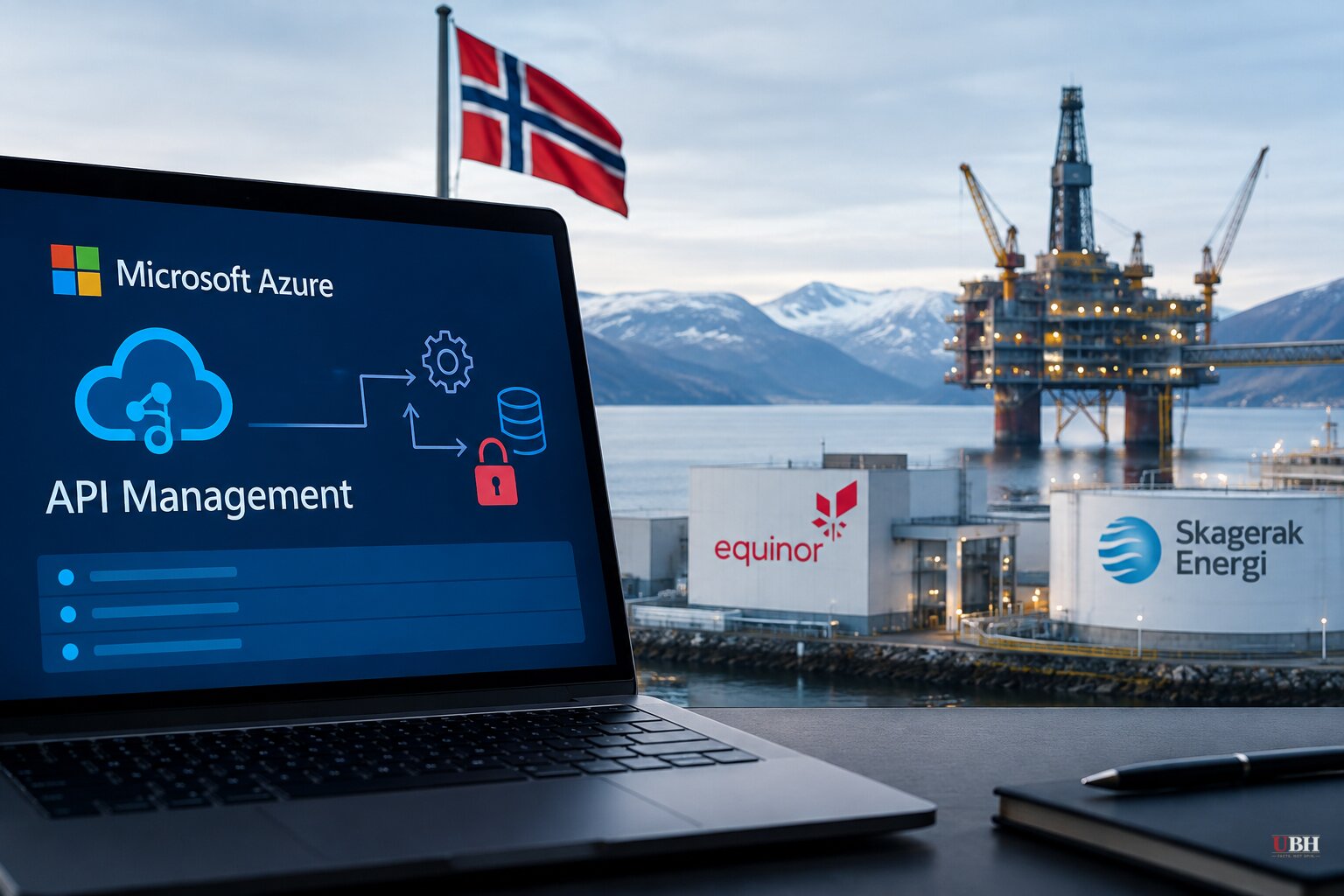
Microsoft has told customers that a vulnerability in the Classic tiers of Azure API Management (APIM) exposed stored secrets before the company found it. Norway's National Security Authority (NSM) says an unidentified threat actor used it to go after access tokens and other sensitive data. Two Norwegian energy companies, Equinor and Skagerak Energi, were hit.
The fix is in, but the cleanup is not.
What Microsoft says happened
In an Azure Service Health advisory (Tracking ID: MZK9-GH0), Microsoft said it identified the problem on Nov. 18 and closed the unauthorized access path on Nov. 19. It also rotated Microsoft-controlled keys and credentials where appropriate.
The advisory said "customers were exposed and an unauthorized party could have used the issue to access secrets stored in Azure API Management Classic instances before Microsoft identified the security issue."
Microsoft told BleepingComputer the flaw hit the Developer, Basic, Standard and Premium tiers of APIM Classic. The Consumption tier of Classic and all APIM v2 tiers were not affected.
According to Microsoft, the flaw allowed unauthorized access to certain management functions when Classic instances were not set up according to recommended security practices. That access could allow administrative operations, including pulling secrets.
The data that may have been exposed includes Named Values secrets, client secrets for identity providers and OpenID Connect providers, subscription keys, and tokens used to call management APIs. Depending on their permissions, those credentials could open the door to other applications, services or backend systems.
The fix does not undo the theft
Microsoft was blunt about the limit of its own patch. The remediation "blocks the unauthorized management-plane access path," the company said, but "it does not automatically invalidate credentials that may have been accessed before the fix was deployed."
Customers have to rotate potentially exposed credentials themselves, check systems reachable through them for suspicious activity, and review logs for unauthorized access.
Microsoft has also said its server-side remediation itself required no customer action. NSM took a more cautious line and advised organizations to verify that their APIM instances had actually received the security update.
Microsoft says the problem mainly affected customers who had not followed its security recommendations or who kept sensitive data directly in APIM instead of in Azure Key Vault, its dedicated secrets service.
The Norwegian attacks
NSM said the vulnerability was first discovered by Norway's energy sector, with Equinor playing a key role in spotting it and alerting authorities. The agency announced that on Friday.
Equinor, one of Europe's largest natural gas suppliers, said it detected an attack on Tuesday, Nov. 17, and did not fully contain it until Friday. Some internal services were disrupted. Oil and gas production kept running normally.
"There is no indication that data has been stolen or altered," Equinor said in its latest statement. It added that the attack did not appear to have specifically targeted the company.
Skagerak Energi, which produces and distributes electricity and is majority-owned by Statkraft, Norway's state-owned renewable energy company, disclosed a separate cyberattack on Wednesday. The company said operations and electricity production were unaffected and it found no indication that information had been compromised.
Microsoft has not said how many customers were exposed. It has not said whether the same actor was behind both Norwegian incidents. On Saturday, it published guidance on finding and replacing potentially exposed credentials. That guidance did not explicitly acknowledge the vulnerability or tie it to the Norwegian attacks.
An administrator's account
An administrator posted on Reddit that their company spent days fighting an intrusion after finding that someone had logged into its key vaults with a valid administrator token that did not follow normal access patterns.
The administrator alleged attackers used a zero-day authentication bypass in a deprecated legacy API to reach a privileged system account on APIM instances. The administrator also claimed the API generated no logs customers could use to detect the access. And Microsoft, the administrator said, first attributed the suspicious activity to leaked customer credentials before pushing a global fix.
BleepingComputer said it had not independently verified those claims. Microsoft has not publicly addressed them. If the account is accurate, the timeline matters. Equinor says it detected its attack Nov. 17, a day before Microsoft says it identified the flaw.
A second Microsoft cloud problem in days
The APIM disclosure comes just days after Microsoft confirmed another security breach involving its Entra Connect Health service, where attackers exploited a vulnerability to steal tenant configuration information and administrator email addresses.
What comes next
The open question is scope. Microsoft has not given a count of exposed customers, and NSM said it remains unclear how extensively the vulnerability is being exploited or has been exploited in the past. Equinor and Skagerak both say they have found no confirmed data theft. For any organization running a Classic-tier instance, the deadline that matters is now: any secret stored there before the fix stays usable by whoever took it until it is rotated.
Sources used for this briefing
7 links from 7 independent newsrooms (syndicated copies of the same report count once)
These are the sources it draws on, linked so you can verify.
More coverage: Microsoft


