
Unbiased headlines. Facts, not spin.
Unbiased Headlines is an independently owned news organization. We bring you the facts, not opinions, written fresh from 110+ named sources. Sources linked so you can verify it yourself.
 tech
Major Story (8/10)
Event date: November 4, 2026 ·
Cleverbridge Says Hackers Copied Card Numbers and CVV Codes, Investigation Remains Ongoing
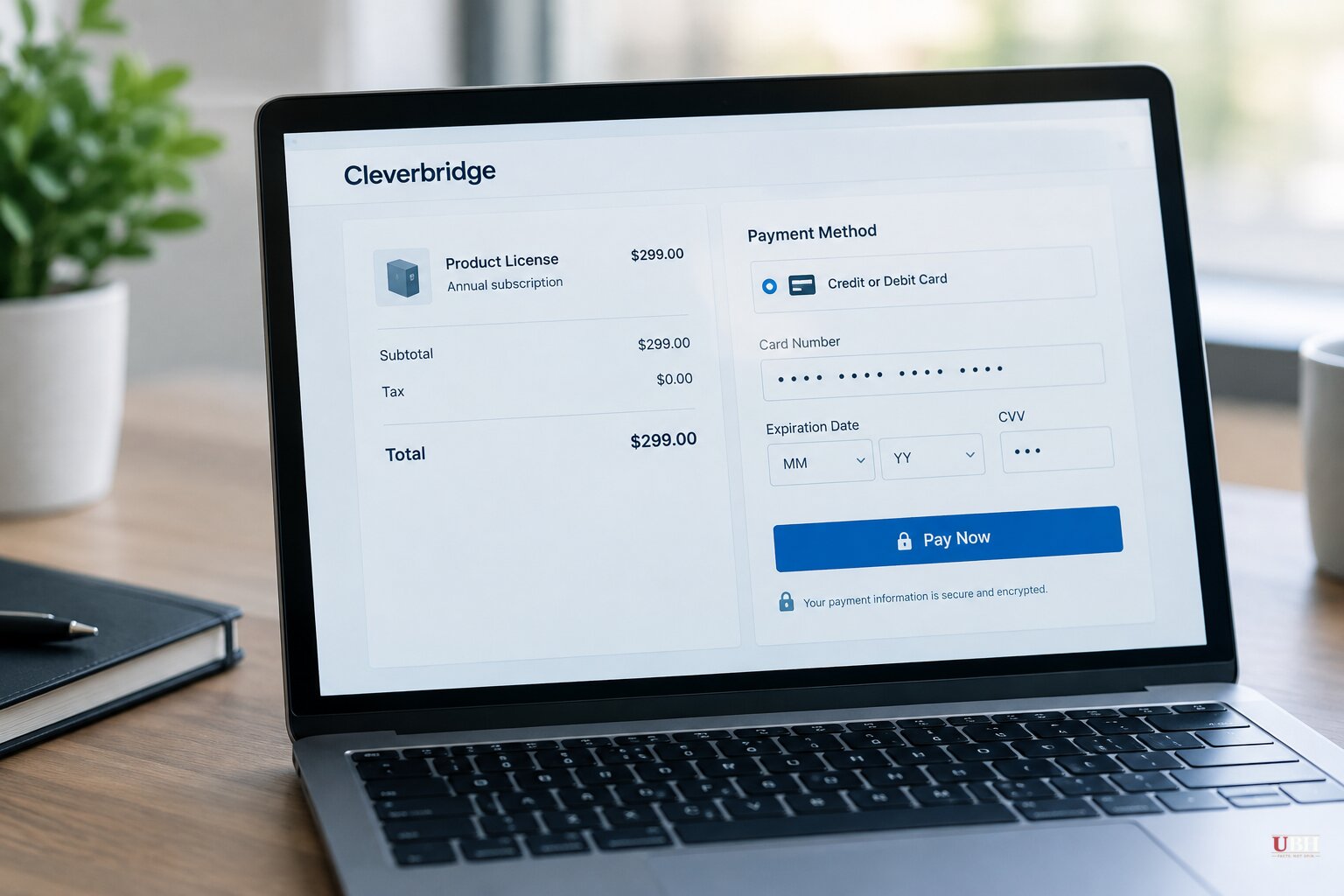
Cleverbridge, which runs checkouts, payments and subscriptions for software and SaaS companies, says a third party copied payment card data stored on its platform. Its own incident notice says the investigation "remains ongoing."
The company says it detected unauthorized activity on November 4, 2026, and took systems offline to contain it. All systems were back online the same day. Only later did investigators determine that card data had been copied.
Cleverbridge says the incident was not ransomware and none of its systems were encrypted.
What the customer notices say was taken
The public incident page does not list the stolen fields. It refers affected customers to their individual notifications.
Those notices say the information includes card number, expiry date and the CVV/CVC security code. The company told customers: "Based on our investigation to date, the information involved includes the payment card details you used to make a purchase through Cleverbridge, notably your card number, expiry date, card security code (CVV/CVC)."
The notices do not agree on what else was exposed. One version, obtained by BleepingComputer, states that "no other personal data (for example your name, contact or billing details) were copied." A version seen by The Register says contact details were involved and that email addresses, billing addresses and phone numbers were potentially exposed. Cleverbridge told customers account passwords appear to have escaped the breach.
The CVV problem
The CVV is the detail that stands out. The PCI Security Standards Council says merchants must not retain card verification codes after a payment is authorized, even in encrypted form.
Cleverbridge has not said where the codes were stored, for how long, or whether attackers captured them in some other way during payment processing. It did not answer The Register's questions on the point.
The company has not said how the attackers got in, how long they had access, or how many cardholders are affected. Nothing in the company's notices establishes that it broke the PCI rule. It also has not explained how the codes were accessible at all.
With a card number, expiry date and CVV, a thief can try online purchases without the physical card.
Who is exposed
Cleverbridge's website lists Red Hat, Sony, SUSE, Veeam, Tenable, Jamf and Parallels among its clients. The company has not said which of them, if any, had customers affected.
Buyers often deal with the software vendor and never see the processor's name. A person who bought a license or subscription from a Cleverbridge client could be on the notification list without recognizing the company that wrote to them.
Stolen customer data does not mean the vendor's own systems were breached. Nobody has alleged that any client was.
The 16-day gap
Cleverbridge began notifying affected people on November 20. That is 16 days after it detected the intrusion.
The company's position, given when asked why people were not told sooner, is that it moved fast and notified them without undue delay. It says it first had to work out whose information was involved. Its public statement says it began notifying individuals on November 20 "where appropriate."
Cleverbridge says it has contacted data protection authorities, payment card networks and payment partners. It also says it is working with a specialist police cybercrime unit. No regulator has announced an investigation, and no charges or arrests have been announced.
The notices are being sent through TransUnion's Cyberscout, which Cleverbridge hired to handle the mailings. The company asks recipients to treat them as legitimate.
What customers are told to do
Cleverbridge advises recipients to check card statements closely and report unfamiliar transactions to their card issuer immediately. It also tells them to ask the issuer whether the card should be replaced.
It is offering 24 months of free credit monitoring and fraud assistance, with enrollment details in each notice. Credit monitoring tracks identity misuse. It does not stop someone from trying purchases with a stolen card number and CVV, which is why the replacement-card step carries more weight.
The company also warns of follow-up phishing. It says it will never ask for card details, passwords or security codes by email, phone or text. Anyone contacted about the breach should use the number on the back of the card or the issuer's official app, not links or numbers in the message.
A separate breach
A second payments incident surfaced the same month, unrelated on the facts available. Croatia's CorvusPay says it detected unauthorized access on November 17 to part of the system behind CorvusPayByIBAN, a direct bank-payment service.
CorvusPay says attackers took users' email addresses and IBANs, plus merchant names, payment descriptions, amounts, currencies and dates for some transactions. It says card numbers and payment-authorization data were not compromised. It told the Croatian outlet Lider that the main danger is phishing messages that cite a user's genuine purchase.
What comes next
The open questions are specific. Cleverbridge has yet to say how many cardholders were hit, which merchants' customers are among them, and why CVV codes were in a place attackers could copy them. Its investigation is still running, and the answers are expected to come from its updates or from the card networks and data protection authorities it says it has notified.
Sources used for this briefing
8 links from 8 independent newsrooms (syndicated copies of the same report count once)
These are the sources it draws on, linked so you can verify.


