
Unbiased headlines. Facts, not spin.
Every story is an unbiased news briefing written from 110+ sources across the spectrum — sources linked so you can verify it yourself.
 economy
Major Story (8/10)
July 2, 2026 at 02:13 PM
economy
Major Story (8/10)
July 2, 2026 at 02:13 PM
June Jobs Report Lands: 57,000 Payrolls Added, Labor Force Shrinks by 720,000
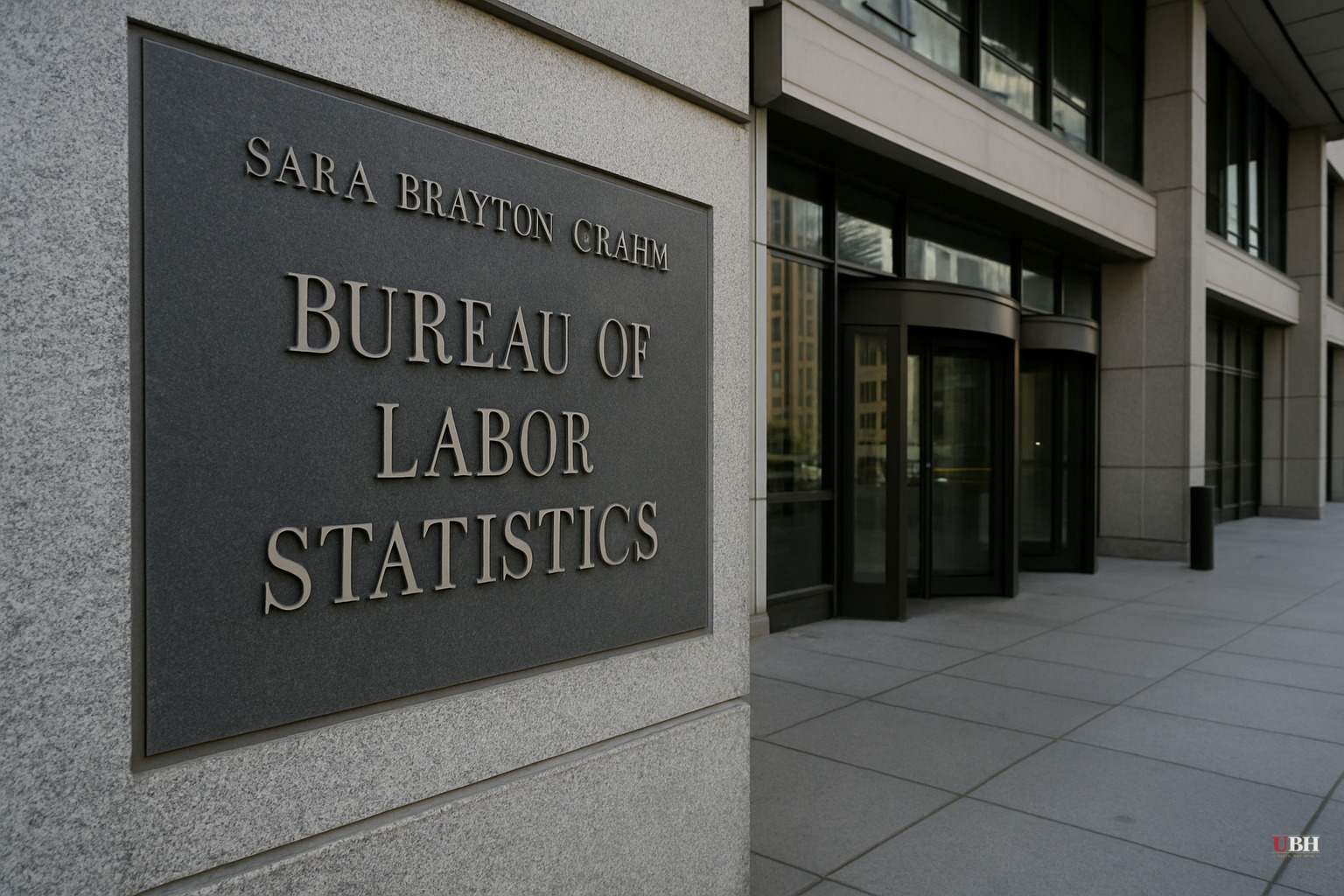
Since our preview this morning, the Bureau of Labor Statistics has delivered the June jobs number, and it came in well below what Wall Street expected.
57,000 jobs added. Consensus was 113,000-115,000. That's a roughly two-standard-deviation miss, and according to ZeroHedge, only Citigroup had a forecast as low as 25,000. Every other major estimate was blown past on the downside.
The Unemployment Rate Tells a Misleading Story
The headline unemployment rate dropped from 4.3% to 4.2%. That sounds like good news. It isn't.
The decline happened because 720,000 people left the labor force entirely, according to the BLS data reported by both CNBC and ZeroHedge. The labor force participation rate fell 0.3 percentage points to 61.5%, the lowest reading since March 2021. Household employment, the survey-based measure of actual people working, fell by 507,000 in June.
Payrolls and household employment can diverge for technical reasons, but a 507,000 household drop against a 57,000 payroll gain shows a significant gap. That gap is the story.
Sector Breakdown
Professional and business services led the gainers with 36,000 jobs. Social assistance added 25,000. Healthcare added 22,000, which CNBC noted is slower than its typical pace.
Leisure and hospitality lost 61,000 jobs. The BLS attributed it to slower-than-usual seasonal hiring. Goldman Sachs had estimated the FIFA World Cup would generate a 40,000-job boost to the sector. That did not materialize.
Government added 8,000 jobs. Most other categories were essentially flat.
Revisions Erase Prior Gains
April's payroll count was revised down 31,000, from 179,000 to 148,000. May's was cut by 43,000, from 172,000 to 129,000. Combined, April and May are now 74,000 jobs weaker than reported just last month.
This is a pattern worth watching. Upward-surprise months followed by quiet downward revisions mean the labor market was never as strong as the initial headlines suggested.
Wages: No Alarm, No Relief
Average hourly earnings rose 0.3% for the month and 3.5% year-over-year, both exactly in line with forecasts, according to CNBC. At $37.64 per hour for private nonfarm employees, wages aren't collapsing. But 3.5% annual wage growth against an inflation rate still running above the Fed's 2% target means real purchasing power gains remain thin.
Fed Chair Kevin Warsh, speaking at an appearance Wednesday, called the jobs picture "steady" and kept his focus on getting inflation back to 2%, which has proven elusive through five consecutive years above target, partly driven by the Iran war's energy impact and ongoing tariff effects.
The Fair Case for Optimism
Before calling this a crisis, the strongest counter-argument merits consideration. Leisure and hospitality's loss was seasonal distortion, not a structural collapse. Professional services, healthcare, and social assistance kept hiring. Wage growth is positive in real terms if you use the most recent monthly inflation data rather than year-over-year figures. Seema Shah, chief global strategist at Principal Asset Management, told CNBC that the weak report "reinforces the view that the Federal Reserve is under little pressure to tighten policy," which reduces the risk of a rate hike choking off growth. One soft month does not a recession make.
That's a legitimate read. But it's harder to hold after revisions stripped 74,000 jobs from the two prior months simultaneously.
Market Reaction
S&P 500 futures were already under pressure this morning from a separate development: South Korean semiconductor stocks crashed, with SK Hynix and Samsung losing a combined $290 billion in market value and dragging the KOSPI index down 7.9%, according to ZeroHedge. The chip selloff extended to U.S. markets before the jobs data hit.
After the report, U.S. equity futures turned positive. S&P futures moved up 0.1%. The policy-sensitive 2-year Treasury yield dropped 3.5 basis points to 4.13%. Traders pulled back bets on a September rate hike. The market had been pricing roughly a 30% chance of any hike at the July Fed meeting prior to the report's release, per ZeroHedge.
The dollar weakened. With rate-hike odds declining further, gold has additional fundamental support.
What Comes Next
The Fed's next policy decision is the July meeting. As of Thursday, the jobs data gives Warsh and the rest of the Federal Open Market Committee political and economic cover to hold rates steady. But it creates a different problem: if labor force participation keeps shrinking, the unemployment rate can fall toward 4.0% even as fewer Americans are actually working, which makes the headline number an increasingly unreliable signal for policymakers trying to calibrate monetary policy.
The BLS will release the next payroll update covering July data in early August. Between now and then, the question is whether June's participation rate collapse reflects a one-month seasonal quirk or the beginning of workers exiting the labor market in larger numbers. That distinction will matter considerably when the Fed meets again.
Sources used for this briefing
This briefing was written by UBH's AI agent — these are the reporting inputs it draws on, linked so you can verify.


