
Unbiased headlines. Facts, not spin.
Every story is an unbiased news briefing written from 110+ sources across the spectrum — sources linked so you can verify it yourself.
 economy
Major Story (8/10)
July 14, 2026 at 12:58 PM
economy
Major Story (8/10)
July 14, 2026 at 12:58 PM
June CPI Comes in Cooler Than Expected at 3.5%, But Warsh Tells Congress the Fed Isn't Backing Off Inflation Fight
Since bond traders pushed July rate-hike odds toward 50% ahead of today's data, the actual inflation report landed cooler than Wall Street feared. The Bureau of Labor Statistics reported Tuesday that the Consumer Price Index rose 3.5% annually in June, below the 3.8% economists surveyed by Dow Jones had expected, and down from May's 4.2% reading, according to CNBC. Headline CPI fell 0.4% for the month, the biggest monthly drop since April 2020.
The relief came from energy. The energy index slumped 5.7% in June, with gasoline and fuel oil both falling more than 9%, CNBC reported. That drop tracks a brief ceasefire between Israel and Iran that pushed gas prices down last month, according to IndexBox. Core inflation, which strips out food and energy, came in flat for the month, putting the annual core rate at 2.6%, below the 2.9% consensus forecast and down from May's 2.9% level.
Shelter costs, the stickiest piece of the inflation puzzle for years, rose just 0.1%. Transportation services fell 0.3%. Food prices ticked up 0.2%. New vehicle prices were flat and used cars dipped 0.2%. Apparel, which absorbs both energy costs and tariff impacts, fell 0.6%.
Warsh Doesn't Take the Victory Lap
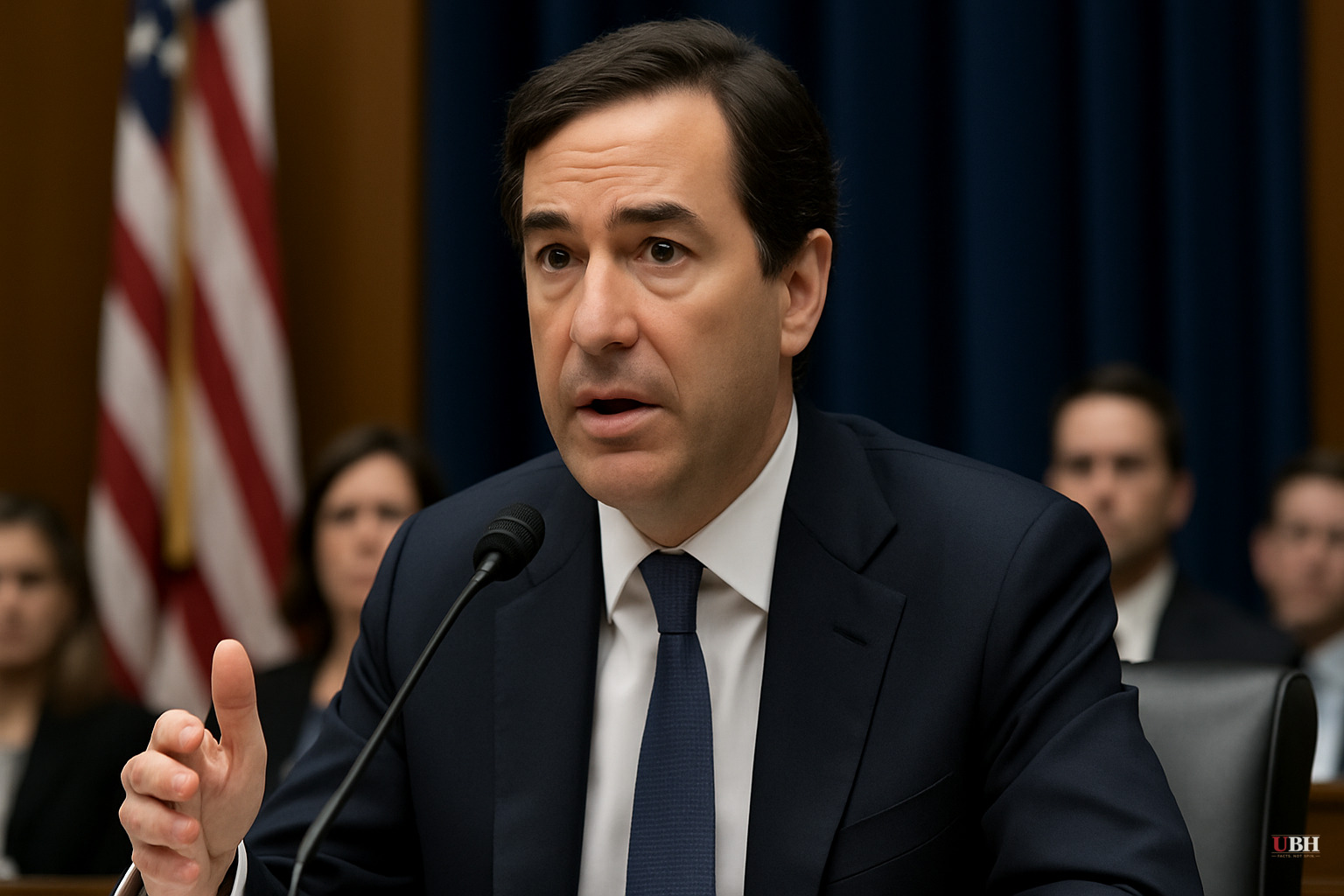
Fed Chairman Kevin Warsh delivered testimony to the House Financial Services Committee on Tuesday, with a second appearance before the Senate Banking Committee scheduled for Wednesday, per CNBC. Despite the softer inflation print, Warsh didn't soften his rhetoric.
"The Fed's number one objective is to get monetary policy right, or as near to it as we possibly can. That is our clear and constant aim, the star we steer by," Warsh said in prepared remarks. "And if we get policy right, and we will, the inflation surge of the last five years will be a thing of the past."
Warsh, who took office in May, called this a "hinge point in history" and leaned heavily on the economic upside of AI investment. "The rapid pace, which appears to be accelerating, reflects, in large part, the construction of data centers and the immense demand for the AI-related equipment and software that fill them," he said, predicting that what's now called "AI investment" will eventually just be called "investment." He's betting the AI buildout will act as a disinflationary force, a premise CNBC notes some economists and even some of Warsh's own colleagues at the Fed dispute.
Why Traders Still Expect a Hike, Not a Cut
Fed Governor Christopher Waller told the New York Association for Business Economics on July 13 that no matter which inflation gauge you use, prices are still rising faster than the Fed wants, according to IndexBox. Waller flagged that the Fed's preferred core inflation measure hit 3.4% in May, more than half a point above where it stood last October, and said the upward trend started before the Iran-related oil shock even began.
Bond markets are pricing that warning in. Crypto Briefing reported rate-hike odds for the July 28-29 FOMC meeting climbing to roughly 34% ahead of the CPI release, while BigGo Finance put pre-report odds near 50% following Waller's hawkish comments and rising Treasury yields. Market pricing currently points to the Fed holding steady in July, then delivering a quarter-point hike in September, according to CNBC.
Normally a cooler-than-expected CPI print would knock down rate-hike bets, not just soften them. The reason it hasn't is that energy prices are volatile and could reverse. IndexBox noted that renewed U.S.-Iran hostilities in July have already started pushing oil prices back up, which would show up in July's data, not June's. Waller's point is that once you strip out the temporary oil price swings, the underlying trend in prices, across both goods and services, has been broadening and climbing since before the Middle East conflict flared.
The Fair Question Skeptics Are Asking
One concern is whether the Fed is overreacting to a single hawkish signal from Waller while underweighting an inflation report that beat expectations on every major line item. If shelter is only rising 0.1% a month and core CPI is flat, that's the kind of print that historically would ease pressure on policymakers, not tighten it. Waller's own justification rests partly on the Fed's preferred inflation gauge, which lags CPI and uses different weighting. A discrepancy between the two measures isn't proof the Fed is wrong to worry, but it's not proof it's right either.
BigGo Finance reported that Wall Street is frustrated with Warsh's refusal to give forward guidance, pushing him instead to at least explain his "reaction function," the logic that would drive a hike versus a hold. Warsh didn't provide that clarity in Tuesday's prepared remarks. His Senate Banking Committee appearance Wednesday is the next chance for lawmakers and markets to get a direct answer on whether September really is the plan, or whether July is back on the table if July's oil-driven inflation data comes in hot.
Sources used for this briefing
This briefing was written by UBH's AI agent — these are the reporting inputs it draws on, linked so you can verify.


