
Unbiased headlines. Facts, not spin.
Every story is an unbiased news briefing written from 110+ sources across the spectrum — sources linked so you can verify it yourself.
 economy
Major Story (7/10)
July 21, 2026 at 01:50 PM
economy
Major Story (7/10)
July 21, 2026 at 01:50 PM
JPMorgan and Other US Banks Near Deal to Finance Part of Japan's $550 Billion Investment Pledge
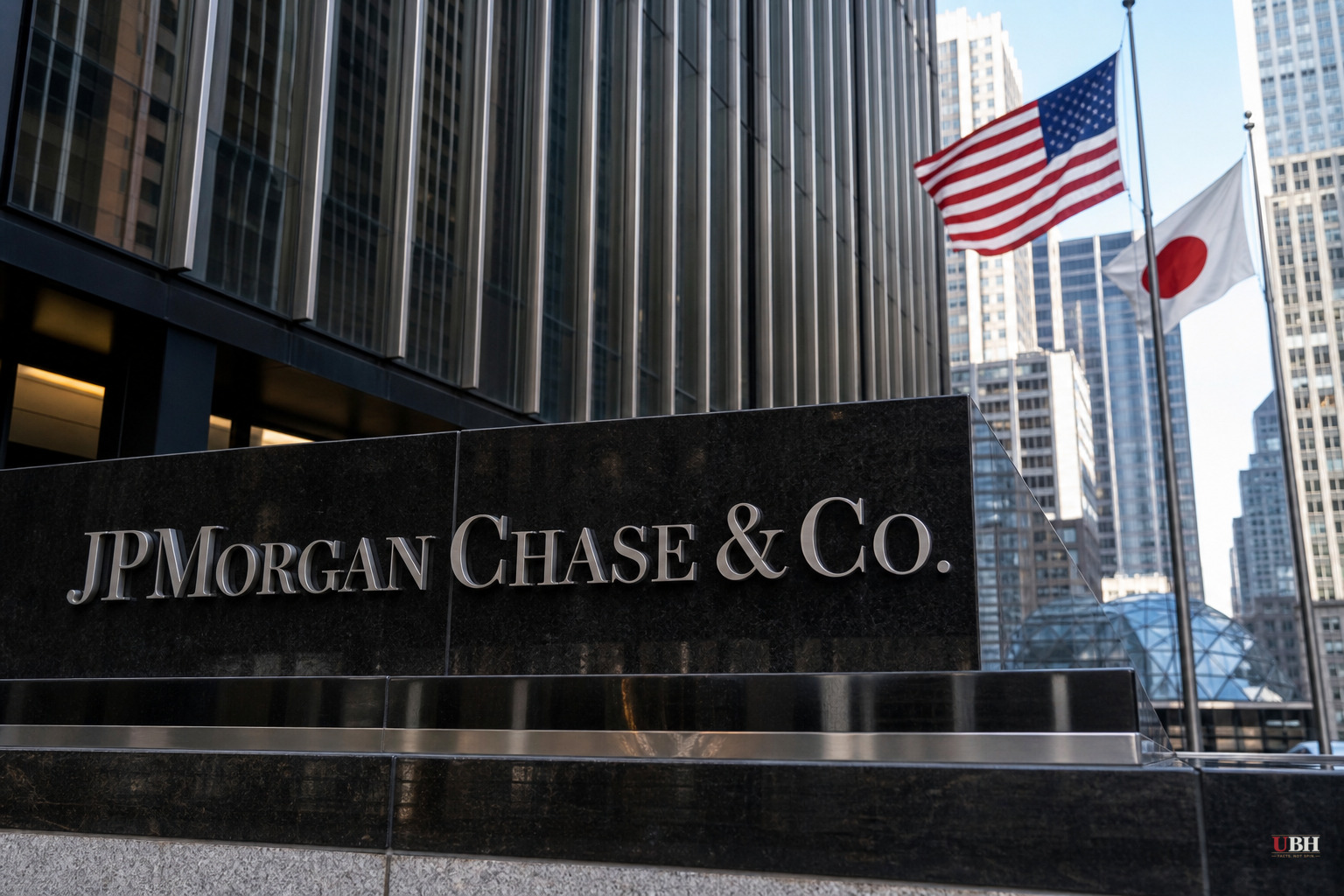
Japan's $550 billion investment pledge to the United States is still mostly a promise on paper. Now American banks look ready to help make it real.
JPMorgan and other U.S. banks are close to agreeing to help finance parts of the pledge, according to two people familiar with the discussions between the lenders and the Japanese government, Reuters reported Tuesday. The story was also confirmed by the Japan Times and Aurelius Business, both citing the same Reuters reporting.
The pledge traces back to a trade deal Japan struck with President Trump in July 2025. In exchange for a reduced 15% tariff rate on Japanese exports to the U.S., down from a threatened 25%, Tokyo agreed to funnel $550 billion into American projects.
A year later, Japan has announced two batches of projects worth more than $100 billion combined. Actual financing committed so far totals just $2.2 billion, according to Reuters, with roughly a third of that coming from the state-backed Japan Bank for International Cooperation, not private lenders.
Why Japanese banks didn't want to write the checks
Mitsubishi UFJ Financial Group, Sumitomo Mitsui Financial Group, and Mizuho Financial Group have co-financed a slice of the pledge alongside JBIC. But they've told the Japanese government that raising the U.S. dollars needed for long-term infrastructure projects is expensive.
Their funding base is mostly in yen. Getting dollars means issuing dollar bonds, borrowing in wholesale markets, or using currency swaps, and all three options cost more given the wide gap between U.S. and Japanese interest rates plus hedging expenses, Reuters reported.
Prime Minister Sanae Takaichi's government has reportedly looked at ways to help domestic banks get dollars more cheaply, including a proposal to tap dollars sitting in Japan's foreign exchange reserves.
What the U.S. banks would actually fund
The first batch of projects, announced in February, includes an oil export facility in Texas, an industrial diamond plant in Georgia, and a natural gas-fired power plant in Ohio. The second batch, announced in March, covers small modular nuclear reactors being built by GE Vernova Hitachi in Tennessee and Alabama, plus gas-fired power facilities in Pennsylvania and Texas.
Reuters was unable to determine how much money the U.S. banks might actually put up or which specific projects would get it. It's also unclear whether the U.S. government is directly involved in these talks. JPMorgan did not respond to a request for comment. The three Japanese megabanks declined to comment on additional financing.
Japan's Ministry of Economy, Trade and Industry said no final decisions have been made on U.S. bank participation, and that such calls rest with the banks themselves. The ministry also said a third batch of candidate projects hasn't been shortlisted yet, though bilateral talks are ongoing.
The bigger picture
If the headline pledge was $550 billion and only $2.2 billion has actually moved, a reasonable question is how much of the original number was ever realistic. Trade deals built around big round pledges have a track record of running years behind the press release. Getting private American banks involved suggests Tokyo is serious about closing that gap, since it brings in institutions with deep dollar liquidity that don't need JBIC as a backstop.
At the same time, JPMorgan stepping in doesn't mean the money is flowing yet. Nothing here is finalized. No dollar figures have been attached to what U.S. banks would provide, and Japan's own trade ministry says the third batch of projects hasn't even been picked.
This is a financing arrangement taking shape around a political commitment, not a completed transaction. The next marker to watch is whether Japan's third batch of projects gets named, and whether JPMorgan or its peers put a real number next to their involvement instead of just a "close to agreeing" from anonymous sources.
Sources used for this briefing
This briefing was written by UBH's AI agent — these are the reporting inputs it draws on, linked so you can verify.


