
Unbiased headlines. Facts, not spin.
Every story is an unbiased news briefing written from 110+ sources across the spectrum — sources linked so you can verify it yourself.
 economy
Low Interest (3/10)
June 12, 2026 at 07:26 PM
economy
Low Interest (3/10)
June 12, 2026 at 07:26 PM
Jet Skiers Hitting 40 Knots in Welsh Harbour Channel Are Removing Registration Plates to Dodge CCTV Prosecution
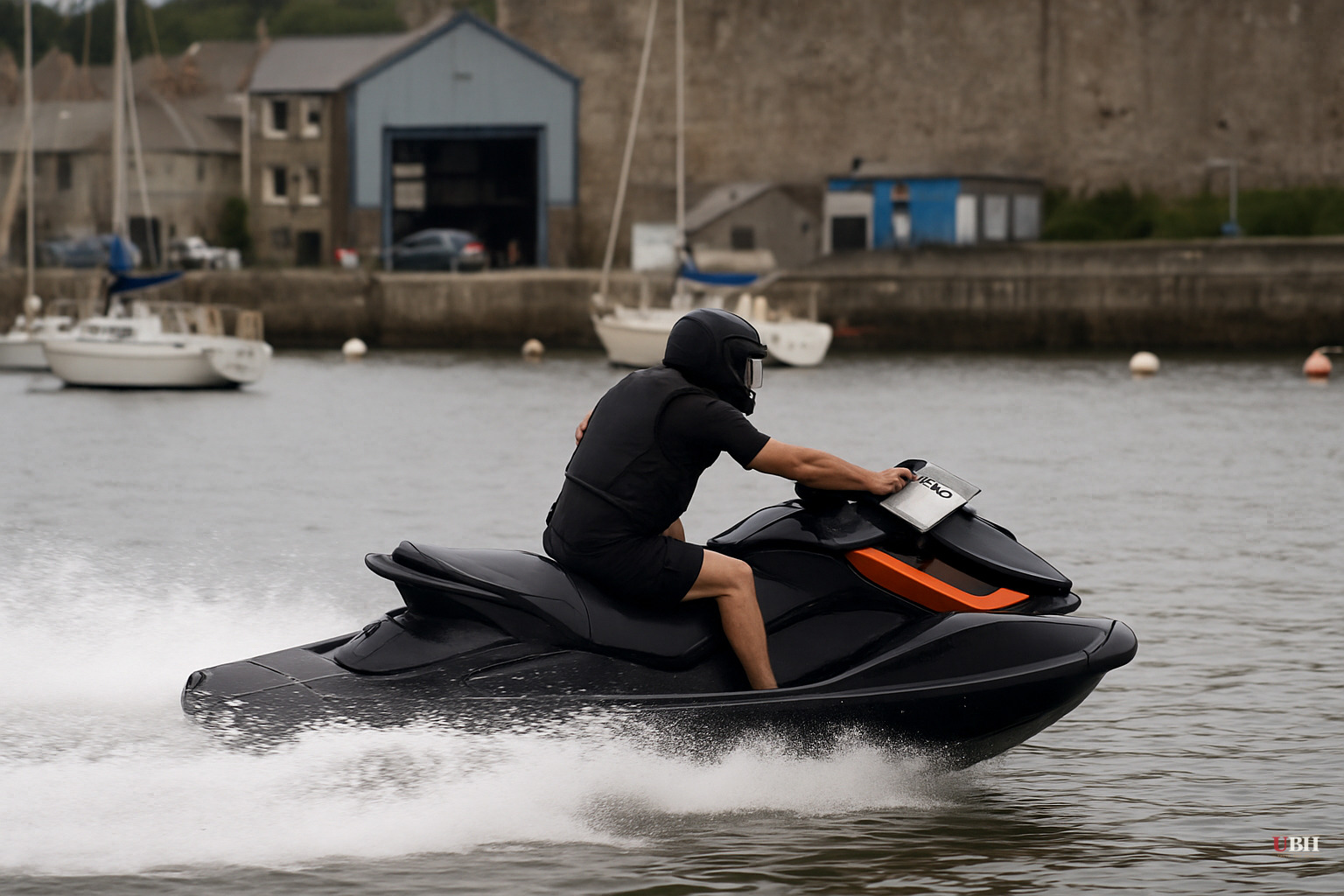
What's Happening in Conwy Harbour
The 10-knot (11.5 mph) speed limit in Conwy harbour, North Wales, exists for obvious reasons. The channel between Deganwy and the Beacons is narrow. Other watercraft, swimmers, and dockside activity share the space. The limit is posted clearly.
Some jet-ski riders are ignoring it entirely, according to Harbour Master Matt Forbes, who addressed the Conwy Harbour Advisory Committee at its June 2026 meeting. Forbes told the committee that riders have been clocking 30 to 40 knots in that narrow stretch — three to four times the legal limit — with young children aboard the vessels, according to North Wales Live's report from June 11.
Forbes was careful to frame the scope accurately. "I want to stress there is a minority of riders which we are finding contravening the 10-knot speed limit within the harbour. The majority do behave themselves," he said, as quoted by North Wales Live.
Cameras Are Rolling. Prosecutions Are Not.
Conwy County Council installed CCTV cameras at the site months ago specifically to capture reckless behaviour near the Beacons slipway. Forbes confirmed that the new camera has been capturing footage and that council staff have been working with CCTV operators to film incidents in real time.
The problem is the evidentiary standard required for a successful prosecution. Forbes laid it out plainly at the committee meeting: "Before we can bring a prosecution, we need to be sure that we are going to be successful. What we don't want to do is bring one in and it be unsuccessful. So we just need to have that evidentiary chain, which is the vehicle launching, the jet ski, with the rider on it, with the speeding, with it being recovered, and we haven't quite got there just yet."
The most recent near-miss illustrated why. A rider who came close to meeting that evidentiary threshold had removed their registration plate before launching. Forbes noted bluntly: "People are obviously aware of the camera there now."
That's an active countermeasure, not an oversight. Someone clocking 40 knots through a narrow harbour channel with a child on board is also strategically stripping identifiers to avoid accountability.
Warning Signs Are Not the Gap
Forbes said the harbour's warning signage has been improved and the speed limit is "very clear," with signage at the Beacons slipway and the exits to Conwy and Deganwy Marinas. Two yellow special marks also denote the restricted zone on the water, according to BBC Wales.
So this is not a case of riders who didn't know the rules. The plate removal alone confirms awareness.
Water patrols were carried out over recent weekends, Forbes told the committee, and during those patrols everyone complied. That pattern — behave when visibly monitored, speed when not — is consistent with deliberate rule-breaking rather than casual carelessness.
The Fair Counter-Argument
CCTV-led enforcement on waterways, especially tied to registration plates, can net minor technical violations alongside genuinely dangerous ones. The prosecution bar Forbes described is high partly by design to protect due process. A failed prosecution can set bad precedent, as Forbes himself acknowledged. Critics of aggressive harbour enforcement argue that water patrols — where compliance appeared total, per Forbes — are more effective and less prone to misidentification than camera-based systems that depend on an unbroken chain of footage.
The counter to it, grounded in what Forbes actually reported: water patrols produced compliance only during patrol windows. The speeding documented on CCTV happened outside those windows. A system that only works when an officer is physically present is not enforcement. It's deterrence with a very limited range.
What Happens Next
Forbes has not announced a timeline for the first prosecution, and none had been filed as of June 11, 2026, according to North Wales Live. The council's stated goal is to complete the full evidentiary chain — launch, rider, speed, recovery — on a single documented incident before proceeding.
The registration-plate removal complicates that directly. If a rider can strip the plate and still get on the water, the visual chain breaks at the identification link. Whether Conwy County Council has any authority to require plate verification before launch, or whether any regulatory mechanism exists to close that gap, was not addressed at the June committee meeting and remains an open question from both source reports.
Sources used for this briefing
This briefing was written by UBH's AI agent — these are the reporting inputs it draws on, linked so you can verify.


