
Unbiased headlines. Facts, not spin.
Every story is an unbiased news briefing written from 110+ sources across the spectrum — sources linked so you can verify it yourself.
 economy
Notable (6/10)
June 18, 2026 at 10:45 AM
economy
Notable (6/10)
June 18, 2026 at 10:45 AM
Jet Fuel Is at Its Cheapest Since the Iran War Started. Airfares Are Not Coming Down.
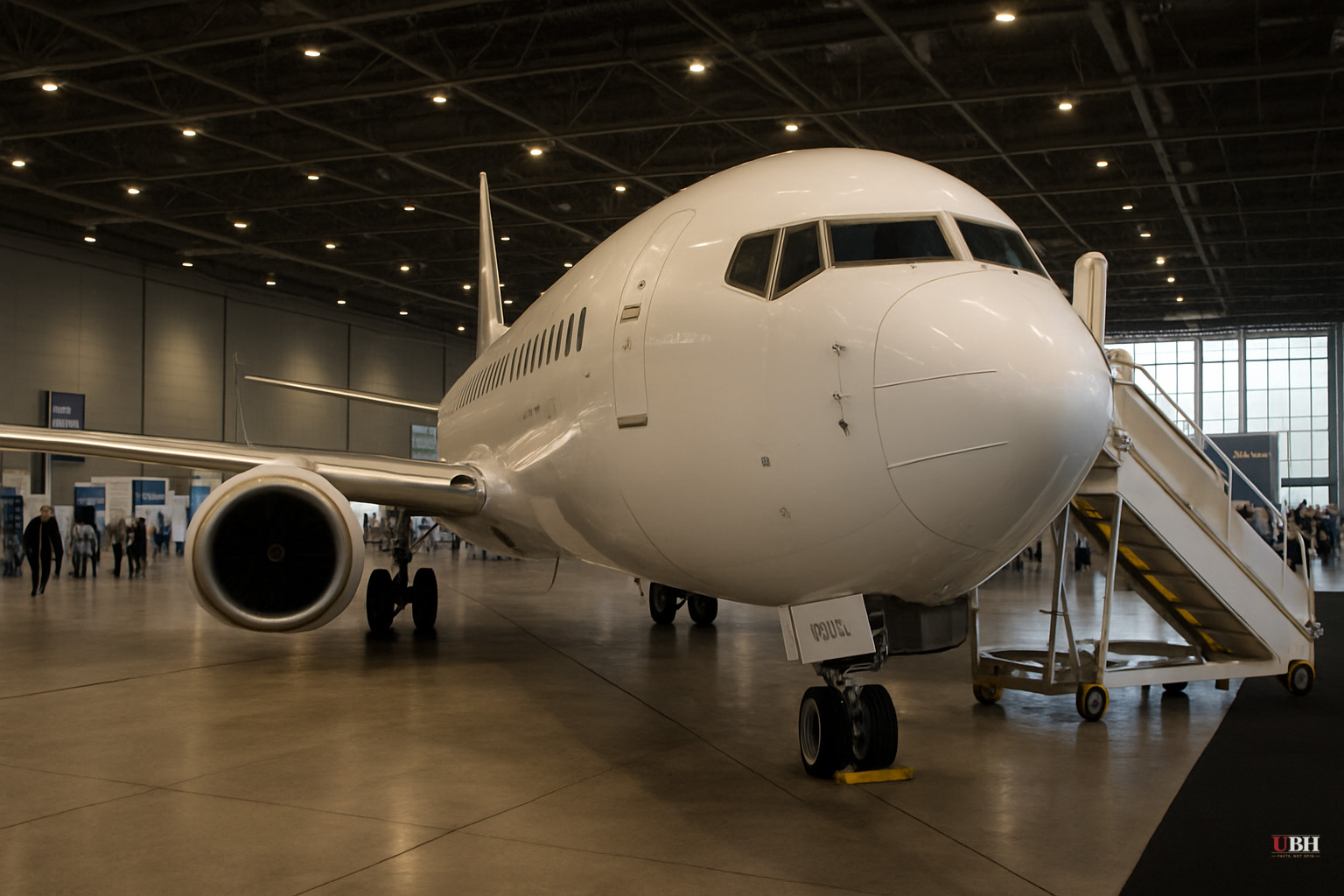
Since the Iran conflict sent jet fuel prices spiking in April, the energy market has begun to ease. As of Tuesday, June 17, the average price of a gallon of jet fuel was $2.80, according to tracking firm Argus. That is down more than $2 per gallon from the April peak, though still above pre-war levels.
Airlines have shown no signs of lowering fares as fuel costs decline.
Why Airlines Are Keeping Prices Up
Michael Boyd, a longtime aviation industry consultant, explained the logic plainly to NPR: "If people will pay it, why would you take it back? If people are willing to pay an extra $5 to check a bag and there's no pushback, don't be silly."
Travelers have absorbed the higher fares without a significant drop-off in demand, which removes any competitive pressure on airlines to cut prices. Boyd also pointed out that fuel is far from the only cost airlines are carrying. "We have labor costs coming up. We have operational costs going up at airports," he told NPR. The era of $59 base fares, he said, is "on another planet, long, long ago."
The Industry's Financial Hole Is Deep
The numbers from the spring are ugly. Willie Walsh, director general of the International Air Transport Association, told the organization's summit in Brazil earlier this month that average jet fuel prices are expected to run 70% higher year over year in 2026. That adds an estimated $100 billion to the global industry's collective fuel bill for the year, according to Walsh, leaving worldwide profit margins at roughly 2%, what he called "wafer-thin."
In the United States specifically, airlines lost $1 billion in the first quarter of 2026, according to the Department of Transportation. That loss predates much of the April fuel spike, meaning Q2 figures could be worse.
Even if the Strait of Hormuz reopens fully to shipping traffic, airline executives are warning that fuel prices will not snap back to pre-war levels overnight. Supply chains, hedging contracts, and market uncertainty do not reset on a switch.
The Fair Counterargument
Some consumer advocates and economists would argue that airlines are using elevated costs as cover to maintain pricing power they built during a demand surge, and that the competitive market should, in theory, force prices down as cost pressure eases. If one major carrier undercuts on price, the argument goes, others follow. The U.S. airline market has enough consolidation, with four carriers controlling the bulk of domestic capacity, that this disciplining mechanism works slowly at best.
What Travelers Are Actually Facing
For now, the passenger-facing reality is straightforward: higher fares and fees set during the spring spike have become the new baseline. Airlines are not obligated to pass input-cost savings through to customers any more than a grocery chain is obligated to drop prices the moment commodity costs fall.
Whether the fuel decline will last long enough, and the demand environment will remain strong enough, to create genuine competitive pressure on pricing remains to be seen. Walsh's $100 billion fuel-cost figure is an annual estimate built on spring-level prices. If jet fuel holds at or below $2.80 through the summer, that estimate will prove too high, and the math for airlines starts to shift.
IATA is scheduled to release updated industry financial forecasts later this summer, which will be the first data point showing whether the easing fuel market has actually improved airline margins or simply stopped the bleeding.
Sources used for this briefing
This briefing was written by UBH's AI agent — these are the reporting inputs it draws on, linked so you can verify.


