
Original briefings. Zero spin.
Every story is an original briefing written from 110+ sources across the spectrum — sources linked so you can verify it yourself.
 finance
Major Story (8/10)
September 3, 2026 at 02:49 AM
finance
Major Story (8/10)
September 3, 2026 at 02:49 AM
Japan's 30-Year Bond Auction, Set for Thursday, Is the Next Test of a Worldwide Long-Yield Selloff
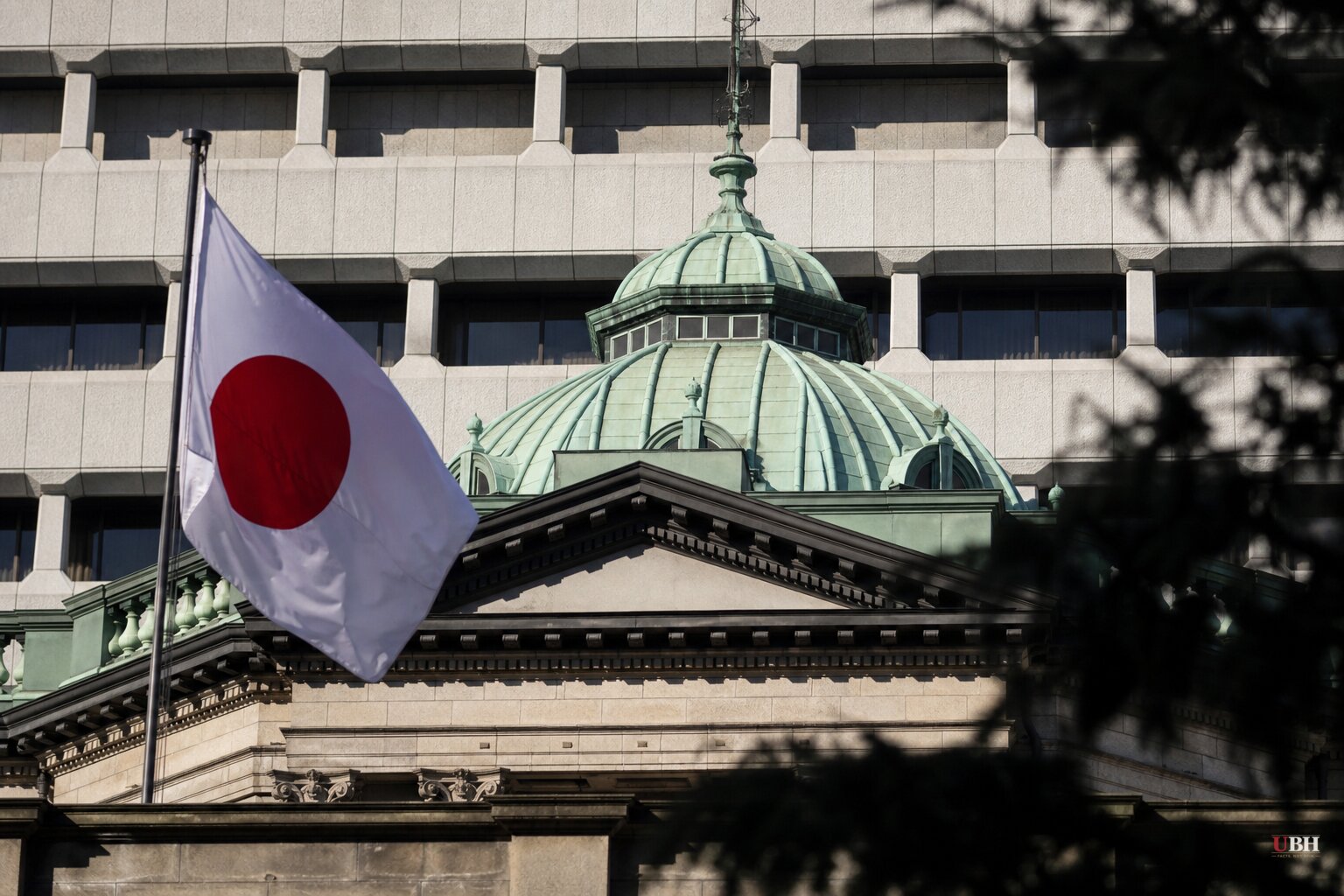
Since Japan's 10-year government bond yield crossed 3% this week for the first time in three decades, and a 10-year auction earlier this week went off smoothly, attention has shifted to a tougher test: Thursday's 30-year JGB sale.
Japan's 30-year yield has been hovering near 4.155%, close to the record set since that maturity was introduced in 1999, according to Bloomberg. NDTV Profit reported the yield eased 10 basis points to 4.065% just ahead of the sale, tracking an overnight rally in U.S. Treasuries as oil prices retreated. The yield is sitting near levels the market has not seen in a generation.
The stakes go beyond Tokyo. TD Securities' senior Asia-Pacific rates strategist Prashant Newnaha told Bloomberg that Japanese government bonds "long served as an anchor for the global bond market, but that has now reversed." His warning: a deeper JGB selloff "could drive repricing of global fixed income," including U.S. Treasuries, if the spread between Japanese and U.S. 30-year yields narrows below 100 basis points. Bloomberg strategist Mark Cranfield flagged the same threshold, according to All Weather Finance.
Why Japan's yields are climbing
Prime Minister Sanae Takaichi's expansionary fiscal agenda is the main culprit cited across sources. Japan's government ministries have submitted record budget requests for next fiscal year, according to NDTV Profit and BigGo Finance, intensifying scrutiny over how the extra spending gets financed and how much new debt Tokyo has to sell.
Monetary tightening adds to the pressure. Bank of Japan Governor Kazuo Ueda has hinted a rate hike is possible at this month's policy meeting, saying the decision will weigh upside price risks, according to NDTV Profit. His comments echo repeated public pressure from U.S. Treasury Secretary Scott Bessent for Japan to act.
The Epoch Times' John Phelan puts the current squeeze in historical context: Japan's government debt swelled from 63.7% of GDP in 1997 to 214.8% at its 2022 peak, the biggest jump in the G7, citing economists YiLi Chien and Ashley H. Stewart, who found Japan's primary fiscal deficit has averaged 5.1% of GDP since 1998. That borrowing was cheap when 10-year JGB yields sat below 2.5% for 29 years. That era ended in April, when the 10-year rate broke back above 2.5% for the first time since 1997.
Wall Street is split on the forecast
Barclays strategists including Ayao Ehara expect a "weakish-to-benign" result Thursday, per NDTV Profit, arguing current yield levels aren't far from fair value but fiscal concerns are still a drag on demand. SMBC Nikko Securities' Miki Den expects results between "moderate" and "weak," per All Weather Finance, but notes a counterweight: the previous two 30-year auctions, both priced near 4%, drew relatively strong bid-to-cover ratios, and Japanese life and non-life insurers have been accelerating purchases of ultra-long bonds.
The U.S. side of the story
The U.S. 30-year Treasury yield climbed above 5.30% this week, its highest since 2007, and the 10-year hit 4.8%, according to BigGo Finance. Breitbart's Business Digest pushed back hard on the popular inflation-panic narrative, arguing CNBC and "the financial press" got the story backwards. Breitbart points to the breakeven inflation rate, the gap between ordinary Treasury yields and inflation-protected TIPS yields, as the real signal: the monthly 30-year breakeven was 2.20% in July, down from 2.30% in May and below its 2010-era median of 2.23%. If investors feared Washington would inflate away the debt, Breitbart argues, that breakeven number would be rising, not falling. Instead, Breitbart frames the yield spike as a sign investors expect stronger real growth and higher stock returns, not runaway prices. That interpretation runs counter to the debt-anxiety framing found in Bloomberg, NDTV Profit and the Epoch Times, and readers should weigh both: rising yields can reflect either fear of insolvency or optimism about growth, and the bond market alone doesn't settle which one is driving it.
BigGo Finance also reported that the U.S. Treasury's actual intervention in the yen at the end of July totaled only around $500 million, far below earlier market estimates of $5 billion to $10 billion, a gap that raises questions about how much leverage Bessent's Treasury actually has to move currency markets.
Thursday's auction result will show whether life insurers and other buyers keep absorbing Japan's ultra-long debt at these yields, or whether the bid-to-cover ratio cracks and forces the Bank of Japan and Ministry of Finance to confront the same question Washington faces: who buys the debt when rates this high get expensive to service.
Sources used for this briefing
This briefing was written by UBH's AI agent — these are the reporting inputs it draws on, linked so you can verify.


