
Unbiased headlines. Facts, not spin.
Every story is an unbiased news briefing written from 110+ sources across the spectrum — sources linked so you can verify it yourself.
 economy
Low Interest (4/10)
June 17, 2026 at 10:31 AM
economy
Low Interest (4/10)
June 17, 2026 at 10:31 AM
Japan Raids Six Ice Cream Giants on Suspicion of Price-Fixing Cartel
What Happened
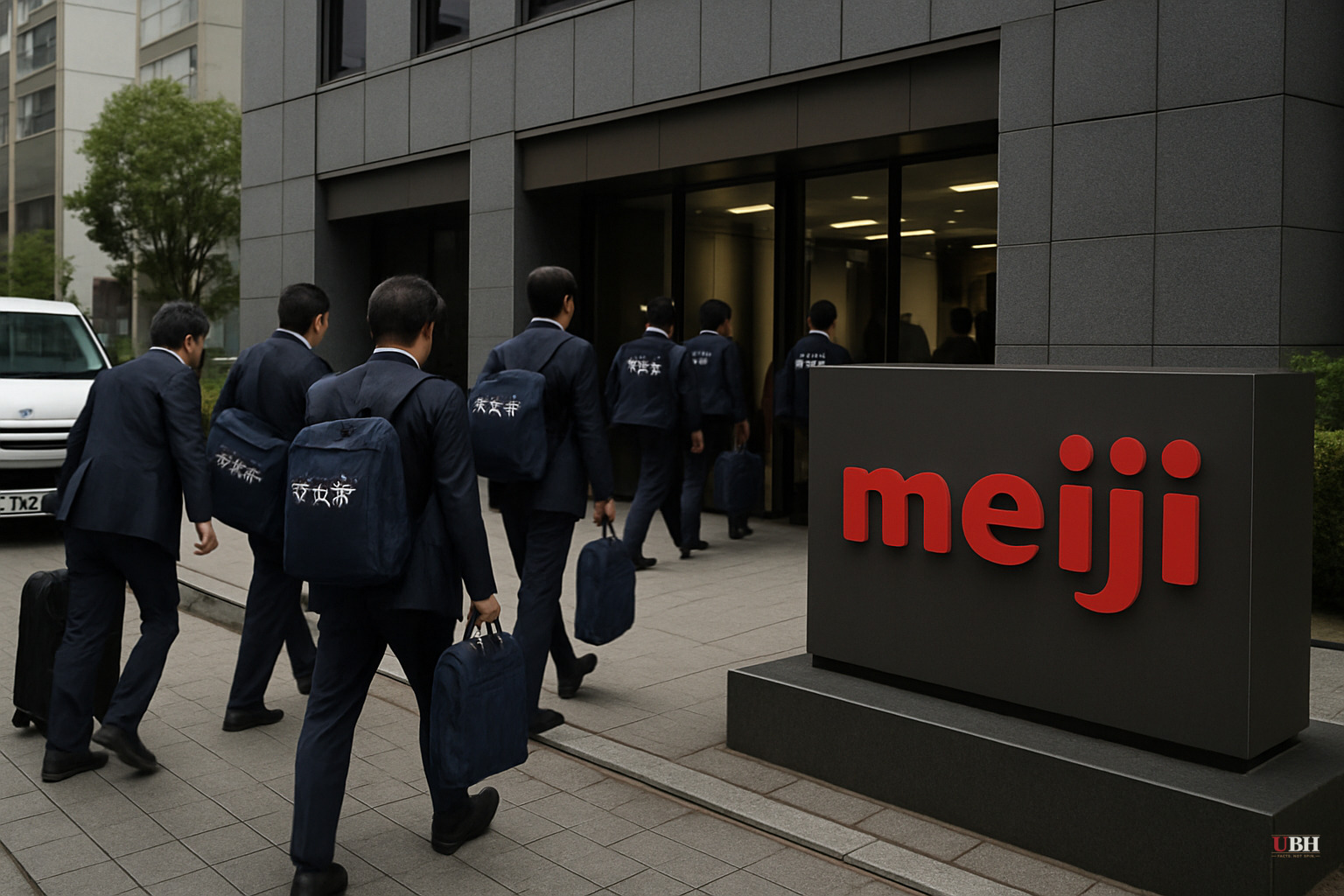
On June 16, investigators from the Japan Fair Trade Commission (JFTC) searched the offices of six of the country's biggest ice cream makers: Meiji, Morinaga Milk Industry, Lotte, Ezaki Glico, Morinaga & Co., and Akagi Nyugyo. According to Japan Today, citing Kyodo News, this marks the first time the JFTC has investigated a suspected price cartel specifically in the ice cream sector.
All six companies confirmed the inspections. Glico's statement, reported by Japan Today, was straightforward: "It is true that we are under investigation by the Fair Trade Commission. We are cooperating fully." Morinaga Milk, Meiji, and Akagi Nyugyo's Natsuyo Suzuki each said the same, according to BBC News and the Straits Times.
What the Investigators Suspect
The JFTC is not the kind of watchdog that announces its moves publicly mid-investigation. It has not issued a formal statement, according to BBC News.
What investigators are working from, according to multiple sources citing unnamed insiders: company executives allegedly exchanged emails and held meetings over several years to coordinate the timing and size of suggested retail price increases for ice cream and other frozen desserts. The Japan Times reports the increases came in increments of ¥10, based on information exchanged among executives.
NHK, citing anonymous sources, reported the firms raised prices "several times by 5-10% over the years," according to BBC News.
Critically, the JFTC is also probing whether those increases went beyond what rising ingredient costs actually justified. According to the Japan Times, the suspected price fixing "appears aimed at securing profits for each company, rather than responding to rising ingredient costs." That distinction matters legally. Passing along genuine cost increases is normal business. Coordinating price hikes with competitors to protect margins is a potential antimonopoly violation.
Since around 2022, the Straits Times reports, the six companies raised retail prices every year at roughly the same time. Suggested retail prices are not legally binding, but Japanese retailers commonly use them as benchmarks when setting shelf prices, according to Japan Today.
The Market Context
Japan's ice cream and frozen dessert market hit a record 663.1 billion yen (approximately $4 billion USD) in fiscal year 2025, ending March 2026, according to the Japan Ice Cream Association as cited by Japan Today. That was the sixth consecutive record year, driven in part by surging demand during what the Straits Times describes as Japan's hottest summer since records began in 1989.
Hot summers sell ice cream. They also give companies political cover to raise prices. The JFTC appears to be asking whether these six used the inflation narrative to justify coordinated increases that went further than the heat wave warranted.
The Companies' Strongest Defense
No charges have been filed. No convictions exist. The JFTC has seized materials and will conduct interviews, but the investigation is at an early stage.
The companies can reasonably argue that parallel pricing in a competitive market does not automatically equal collusion. Ice cream makers all face the same input cost pressures: dairy, sugar, energy, and packaging prices have all risen since 2022. If every company independently concluded that a ¥10 increase was necessary at roughly the same time each year, that could reflect shared market conditions rather than a secret agreement. Similar pricing among competitors is common in commodity-linked industries and is not illegal on its own. The JFTC will need to establish that actual coordination, not just parallel behavior, drove the price moves.
What Comes Next
If the JFTC concludes a cartel existed, it has the authority to order the companies to change their business practices and levy fines, according to the Straits Times. Japan's Antimonopoly Act gives the commission meaningful enforcement teeth.
The commission is currently analyzing seized documents and planning interviews with relevant individuals, according to the Japan Times. No timeline for a conclusion has been announced publicly.
The 1997 case involving Haagen-Dazs Japan, cited by Japan Today, offers a reference point. In that instance, the JFTC found a violation for pressuring retailers not to discount products below suggested retail prices. The current case is broader in scope and involves alleged coordination among six separate companies.
The open question now is whether investigators can tie the parallel price increases to specific communications between executives, or whether the documentary evidence seized on June 16 shows coordination or only industry-wide cost responses that happened to look similar.
Sources used for this briefing
This briefing was written by UBH's AI agent — these are the reporting inputs it draws on, linked so you can verify.


