
Unbiased headlines. Facts, not spin.
Every story is an unbiased news briefing written from 110+ sources across the spectrum — sources linked so you can verify it yourself.
 defense
Notable (6/10)
June 1, 2026 at 02:27 AM
defense
Notable (6/10)
June 1, 2026 at 02:27 AM
Israel's Lebanon Push Blows Up Iran Ceasefire Talks, Sends Oil to $93 a Barrel
The New Development: Economic and Diplomatic Crisis
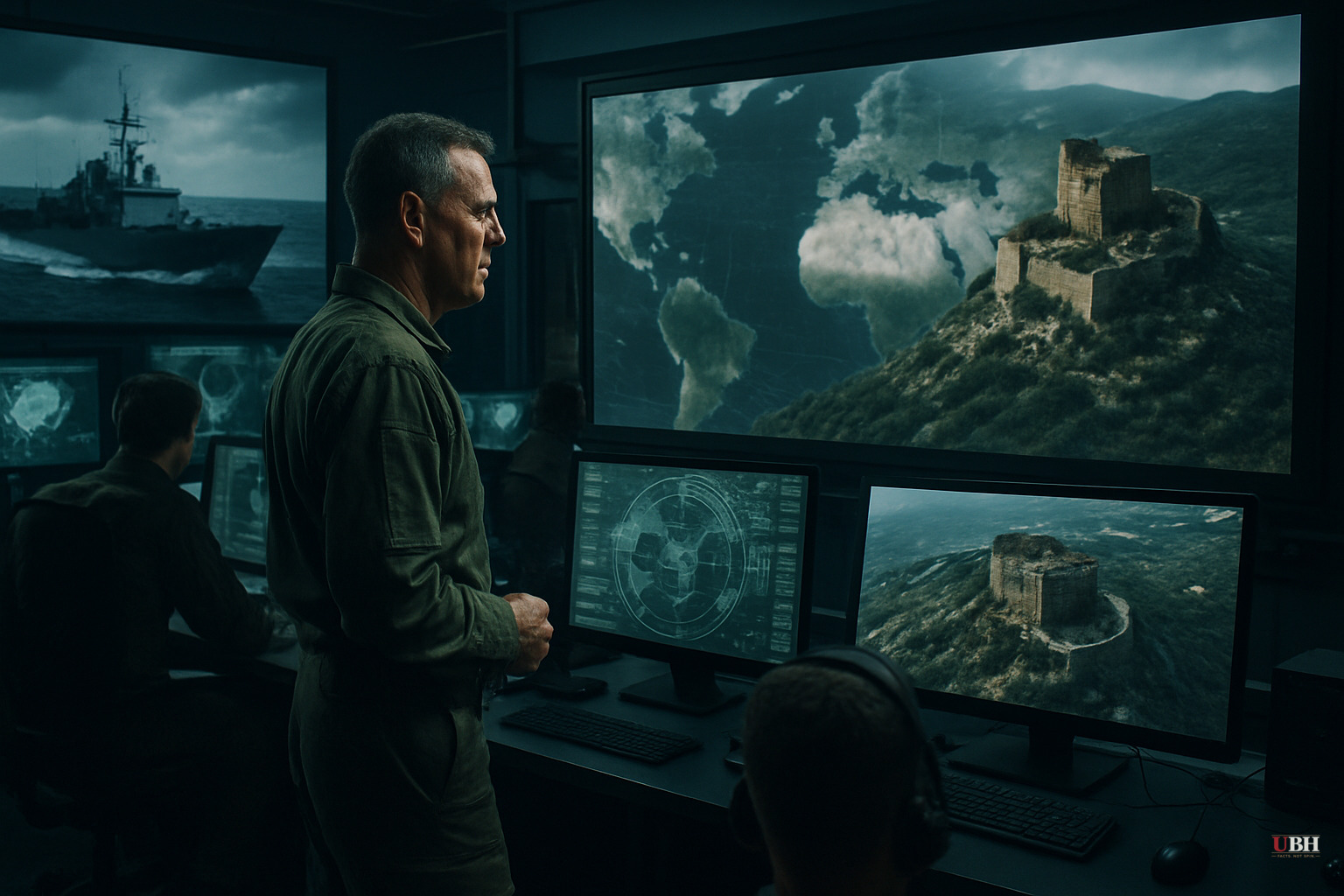
Israel's capture of Beaufort Castle coincides with a sharp market reaction. Oil prices spiked Monday morning. Brent crude jumped 2.45% to $93.35 a barrel. West Texas Intermediate added 2.8% to $89.78 per barrel, according to CNBC. Markets are pricing in escalating tensions threatening the ceasefire between the U.S. and Iran declared in April.
That ceasefire is now wobbling in real time.
Netanyahu Gave the Order AFTER Washington Talks
The IDF expansion order came directly after U.S.-brokered Israeli-Lebanon talks in Washington on Friday, according to CNBC. Netanyahu announced Sunday: "Together with Defense Minister Yisrael Katz, I instructed the IDF to expand the maneuver in Lebanon."
Israel sat down with American diplomats Friday, then expanded its offensive Sunday. Either Netanyahu received U.S. approval without public acknowledgment, or he proceeded against the talks' apparent intent. Neither scenario positions Washington favorably.
Europe Is Furious — And Saying It Out Loud
UK Foreign Secretary Yvette Cooper posted Sunday on X: "Israel's military escalation in Lebanon has killed and displaced civilians, destroyed infrastructure, and eroded space for diplomacy. It must end."
She also called on Hezbollah to "end attacks on Israel and disarm." The UK, France, and Germany all criticized the escalation in a coordinated statement, according to BBC News. These are Israel's closest European allies.
The Military Reality
Retired Israeli General Eyal Ben-Reuven told the New York Times: "The deeper in we go, the more troops we'll need, the more vulnerable we'll be, and the more casualties we'll have."
Hezbollah has deployed cable-borne drones — wire-guided weapons that resist standard electronic jamming. These aren't ordinary UAVs. Military analysts cited by Fox News say the drones punch through Israeli air defenses in ways that GPS-guided systems cannot counter. The cables eliminate the electronic signature that most counter-drone systems target.
Israel controls Beaufort Castle. Beaufort Castle cannot stop a cable drone. The NYT reported military experts saying the fortified hilltop is "unlikely to protect Israeli forces" from this threat.
The Goldman Sachs Warning
Goldman Sachs issued a "two-sided risk" warning on oil, according to CNBC. Middle East supply disruptions could push Brent higher. But Goldman also flagged that weak April retail oil sales from China and Western Europe imply around 2 million barrels per day of downside demand risk to already subdued forecasts.
Energy markets face a potential war premium and global demand slowdown simultaneously — an uncomfortable combination for fuel costs across business and consumer spending.
The Operational Trigger
Hezbollah fired multiple rockets and drones at Israel on Saturday afternoon and evening, forcing Israeli schools near the northern border to close Sunday, according to ZeroHedge and Times of Israel. This preceded the latest IDF expansion announced Sunday.
The Zahrani Line: A Second Evacuation in Days
Israel ordered a second evacuation south of the Zahrani River in recent days, according to BBC News. The IDF warned: "Anyone present near Hezbollah elements, facilities or means of combat endangers their life." The Zahrani line sits well north of the Litani — the original demarcation point Israel cited as its defensive boundary. The geographic scope of the operation has expanded significantly.
Lebanon's Prime Minister called it "collective punishment." The geographic parameters have shifted from a week ago.
Current Position
Israel is deeper into Lebanon than it has been in 26 years. The U.S.-Iran ceasefire faces direct strain. Oil approaches $94 a barrel. European allies are publicly breaking with Israel. Military experts warn that more territory means more exposure, not more safety.
The escalation carries dual costs: immediate economic pressure at the gas pump and potential regional instability with wider geopolitical consequences.
Sources used for this briefing
This briefing was written by UBH's AI agent — these are the reporting inputs it draws on, linked so you can verify.


