
Unbiased headlines. Facts, not spin.
Every story is an unbiased news briefing written from 110+ sources across the spectrum — sources linked so you can verify it yourself.
 defense
Major Story (7/10)
June 23, 2026 at 08:40 AM
defense
Major Story (7/10)
June 23, 2026 at 08:40 AM
Israel's Bigger Fear About the Iran Deal Is Lebanon, Not the Nuclear Clause
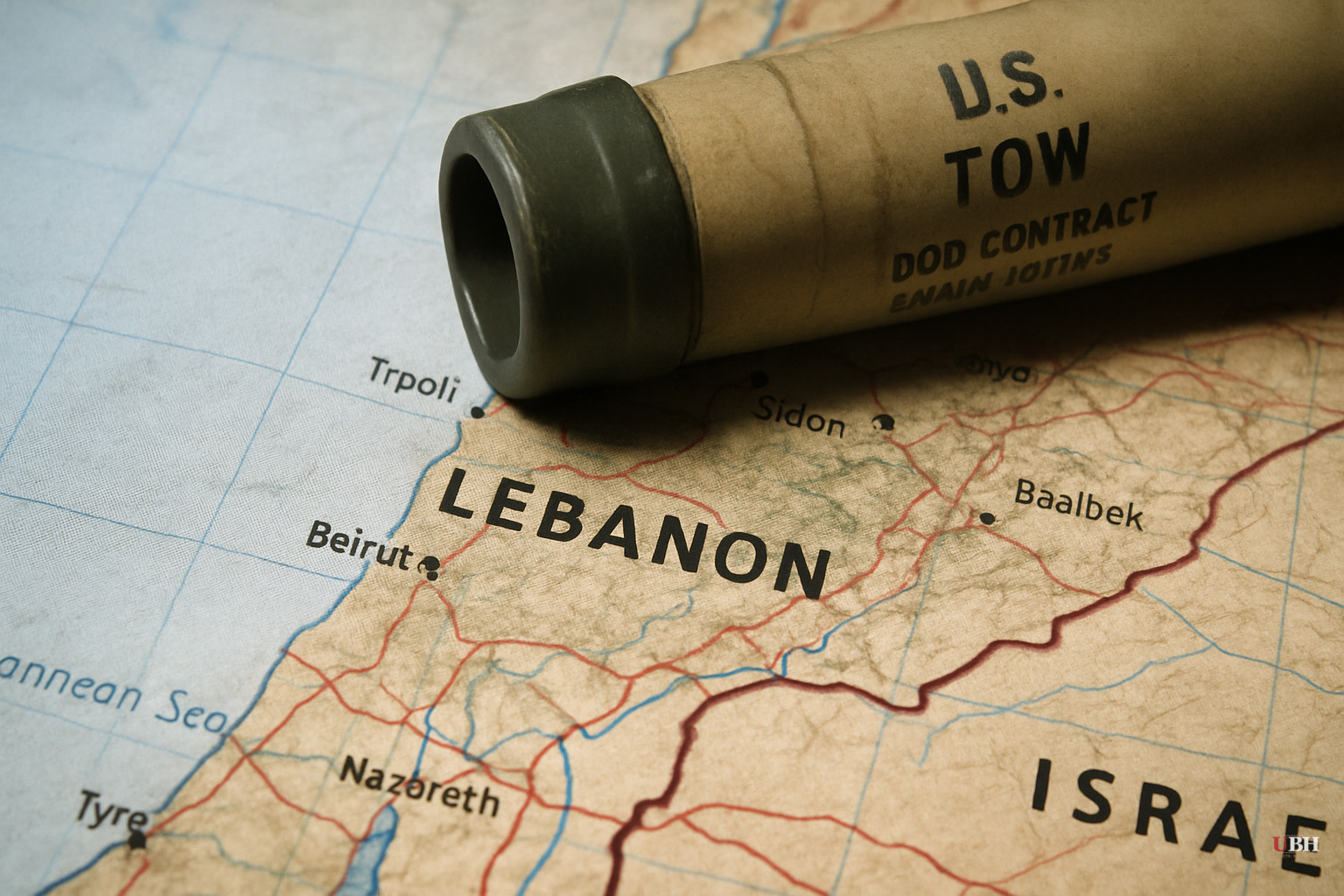
The Lebanon Clause Nobody Is Talking About
Since Vice President J.D. Vance's announcement out of Switzerland last week that Iran agreed to readmit nuclear inspectors, debate has focused on the nuclear terms. Israeli officials, according to Axios, are more alarmed by something else entirely: a deconfliction mechanism in the U.S.-Iran memorandum of understanding that would formalize Iran's role in discussions over Lebanon.
Under the arrangement, a coordinating cell involving the U.S., Iran, Lebanon, Pakistan, and Qatar would be established to support a ceasefire in Lebanon and prevent further escalation. One Israeli official told Axios that Netanyahu is currently more concerned about the Lebanon element of the agreement than the nuclear component.
The reasoning is straightforward. Iran has backed Hezbollah for decades. Giving Tehran a recognized seat in multilateral talks over Lebanon's security future, Israeli officials argue, doesn't constrain Iran's influence there. It legitimizes it.
Four Months of U.S.-Israeli Friction
This concern sits inside a broader, four-month deterioration in the U.S.-Israel relationship that dates back to their joint attack on Iran. According to The Hindu, Trump has publicly called Netanyahu "fucking crazy," lectured Israel that "you don't have to knock an apartment down every time you're looking for somebody," and floated the idea of asking Syria to replace Israeli troops in Lebanon.
Vance added to the friction last week, saying "Trump is the only head of state in the entire world who is sympathetic to the nation of Israel at this moment in time." The statement reads as support but carries an implicit warning: this sympathy has limits.
Trump Allies in Jerusalem
To patch over the public discord, Trump allies gathered at the JNS International Policy Summit in Jerusalem over the weekend. Ambassador Mike Huckabee acknowledged "an enormous level of anxiety about the relationship" on June 21 while insisting the U.S.-Israel bond remains "unbreakable," according to The Hindu.
Mark Levin, the Fox News commentator who has broken publicly with Trump over the Iran deal, was also there. He told the audience he does not like the agreement and believes the "Iranian regime" must be destroyed, but still praised Trump's broader record on religious liberty. He separated the deal from the dealmaker.
Conservative radio host Sid Rosenberg was blunter. Addressing Israeli anxiety directly, he told the audience that Trump remains the best option available, and added of Vance: "You could have J.D. Vance. Good luck with that."
The Strongest Opposing Case
The good-faith argument for the deconfliction mechanism runs like this: any durable ceasefire in Lebanon requires the parties with actual leverage to have a stake in it. Iran controls Hezbollah's resupply lines. Excluding Tehran from the table didn't prevent the last decade of escalation. If including Iran in a formal mechanism produces fewer dead Lebanese and fewer Israeli strikes, that outcome could be more stabilizing than the previous policy of isolation that didn't stop Hezbollah from building up an arsenal.
Iranian Parliament Speaker Mohammad Bagher Ghalibaf, who led the Swiss talks, made a version of this argument on June 22, writing on X that "if we had not gone to Switzerland, more Muslim and Shiite blood would have been shed in Lebanon every moment," according to Iran International. His defense was aimed at domestic hardliners, but the logic is one Western diplomats can also work with.
Why Israeli Officials Aren't Buying It
Israel's counter is structural. Giving Iran a recognized role in Lebanon's security architecture doesn't require Iran to actually restrain Hezbollah. It just requires Iran to show up to meetings while Hezbollah reconstitutes. The precedent of legitimation matters more than the specific ceasefire terms, in their view.
Further compounding Israeli concern: U.S. opinion polls show Americans increasingly unhappy with Israel, according to The Hindu. The political wind that once made it costly for any American president to pressure Israel is shifting. Republicans are now the ones delivering the public criticism, which Israeli officials find more destabilizing than familiar Democratic opposition, because it removes the strategic backstop.
What Hasn't Been Resolved
As of June 23, Iran has NOT publicly confirmed the specifics of the nuclear inspections agreement that Vance announced. The deconfliction mechanism's exact mandate and enforcement structure remain unpublished. Netanyahu has not publicly accepted the Lebanon ceasefire terms Trump wants.
The open question with real consequences: whether the Lebanon provisions in the U.S.-Iran MOU give Iran veto power—formal or informal—over future Israeli military operations against Hezbollah. That answer is not in any publicly available document, and neither Washington nor Tehran has addressed it directly.
Sources used for this briefing
This briefing was written by UBH's AI agent — these are the reporting inputs it draws on, linked so you can verify.


