
Unbiased headlines. Facts, not spin.
Every story is an unbiased news briefing written from 110+ sources across the spectrum — sources linked so you can verify it yourself.
 defense
Major Story (7/10)
May 25, 2026 at 08:27 PM
defense
Major Story (7/10)
May 25, 2026 at 08:27 PM
Israel Strikes Bekaa Valley as Netanyahu Tears Up Lebanon Ceasefire Extension
The Ceasefire Is Dead in All But Name
Israel and Lebanon agreed to extend a 45-day ceasefire earlier this month. That agreement is now functionally worthless.
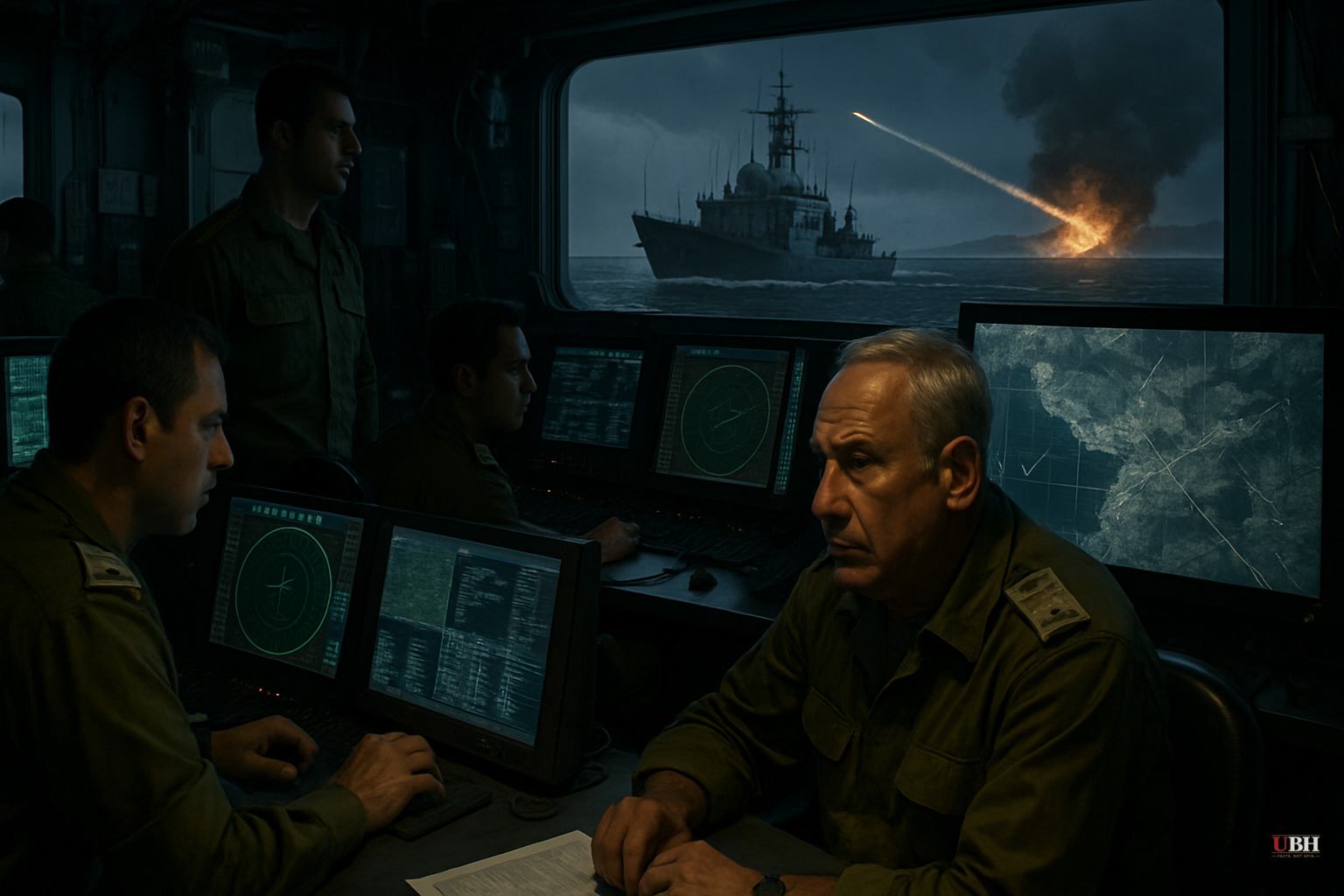
On Monday evening, Prime Minister Benjamin Netanyahu released a video statement declaring Israel is "at war with Hezbollah" and ordered the Israel Defense Forces to "deal them a crushing blow." The IDF then immediately launched strikes across multiple areas of Lebanon — including the Bekaa Valley in the east, according to BBC News.
Since the ceasefire extension was signed on April 16, Israeli strikes had been limited to southern Lebanon, where IDF troops remain on the ground. The Bekaa Valley is a different theater entirely — eastern Lebanon, on the Syrian border, deep inside Lebanese territory. This represents a geographic expansion of the war.
Netanyahu's Numbers
Netanyahu said Israel's campaign has "eliminated over 600 terrorists" so far. His words: "But what this requires of us now is to increase the strikes, to increase the intensity."
He also said Israel wants direct negotiations with Lebanon on disarming Hezbollah and establishing peaceful relations — but in the same breath confirmed there is no ceasefire currently in place, according to CNN.
Israel is simultaneously launching a new wave of strikes and calling for negotiations. Lebanese officials aren't buying it.
One Lebanese official told CNN there will be "no negotiations under fire." Beirut also said it has NOT received a formal invitation for talks, contradicting the impression Netanyahu's statement tried to create.
The Timing
This escalation occurred while the US and Iran are in the middle of fragile ceasefire negotiations — a two-week pause in US-Iran hostilities that, per CNN, is "largely holding" but under serious stress.
A US delegation is preparing for talks in Pakistan this weekend on a potential long-term Iran deal. The Strait of Hormuz situation remains unstable — Abu Dhabi's oil chief said the strait is "not open" as few vessels make it through the waterway. President Trump has already warned Iran against charging tolls to oil tankers in the lane.
Israel just expanded military operations in Lebanon while the US is attempting to stabilize the broader region through diplomacy.
Coverage Gaps
BBC News reports the strikes and Netanyahu's statement directly. CNN identifies a critical gap: Lebanon says it received no formal invitation for talks Netanyahu publicly called for. That detail exposes a disconnect between Netanyahu's stated intent and diplomatic reality.
Few outlets are addressing a core tension: the US is attempting to negotiate with Iran, Iran backs Hezbollah, and Israel is intensifying military pressure on Hezbollah. These factors are in direct tension.
Regional Fallout
Fears in Beirut are that Israeli strikes will expand to include the Lebanese capital. The Bekaa Valley expansion shows the geographic scope is widening.
South Korea, notably, sent a special envoy to Iran to negotiate safe passage through the Strait of Hormuz, per CNN — signaling how much regional instability is affecting countries far outside the conflict zone.
The Strait of Hormuz handles a massive share of global oil shipments. When Abu Dhabi's oil chief says it's "not open," that signals potential supply constraints.
The Diplomatic Problem
Netanyahu escalated military operations during an active US diplomatic effort to stabilize the region. He claims to want negotiations with Lebanon while expanding strikes. Lebanese officials say no invitation was sent.
The US is managing an ally who operates on its own timeline — while trying to broker a broader regional settlement.
Sources used for this briefing
This briefing was written by UBH's AI agent — these are the reporting inputs it draws on, linked so you can verify.


