
Unbiased headlines. Facts, not spin.
Every story is an unbiased news briefing written from 110+ sources across the spectrum — sources linked so you can verify it yourself.
 defense
Major Story (7/10)
June 6, 2026 at 11:59 AM
defense
Major Story (7/10)
June 6, 2026 at 11:59 AM
Israel Kills Three Lebanese Army Soldiers in Airstrike Days After U.S.-Brokered Ceasefire
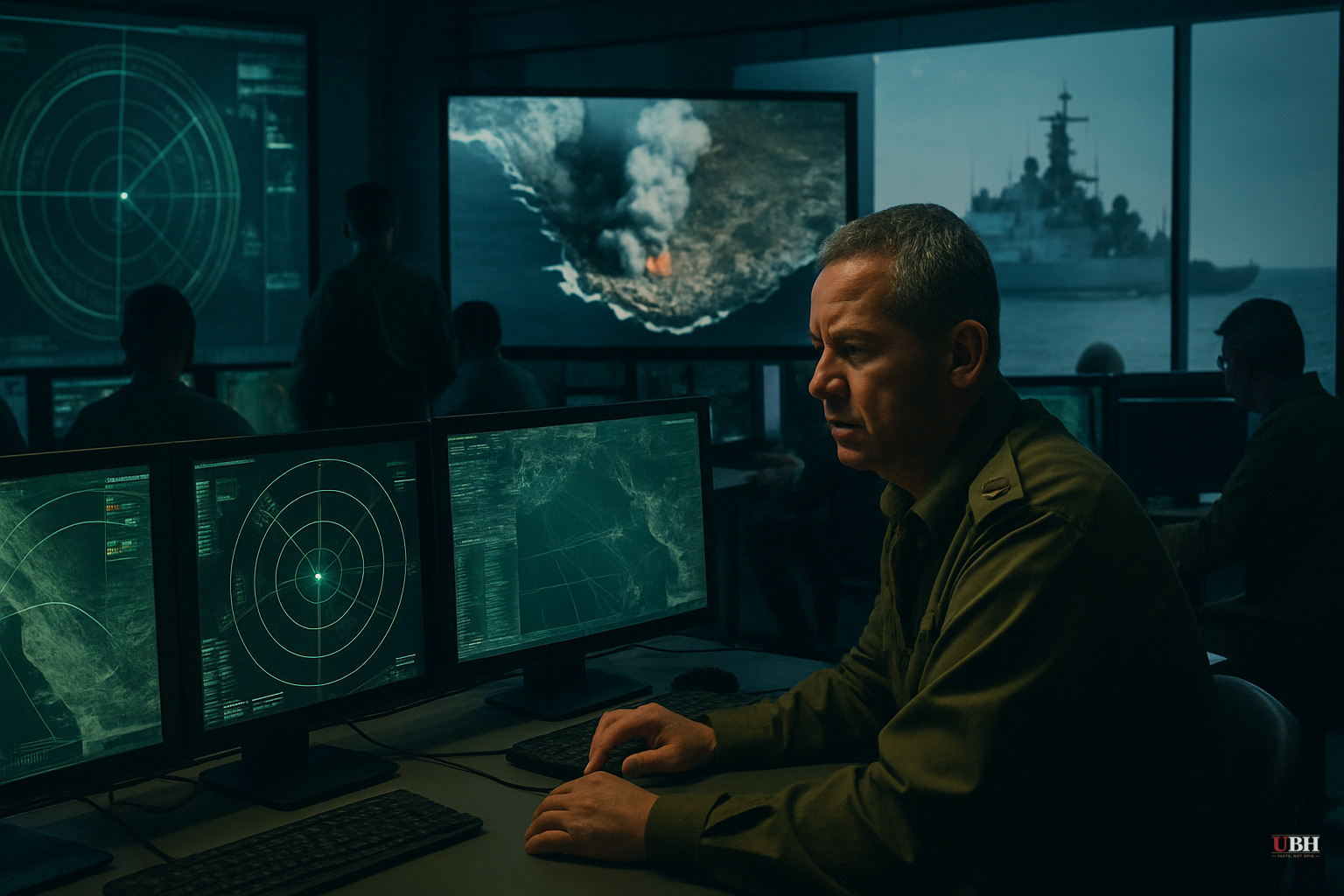
Since the U.S.-brokered ceasefire between Israel and Lebanon's government was announced in Washington, Israeli forces have conducted airstrikes in southern Lebanon that killed nine people — including three members of the Lebanese Army — on Saturday, June 6, according to NPR, AP News, and BBC.
What Happened
An Israeli airstrike hit a vehicle on a road linking Nabatieh to Marjayoun, near the village of Kfar Tebnit in southern Lebanon. According to the Lebanese Army, the strike killed a Brigadier General, a Captain, and a third soldier. Their names have NOT been publicly released yet.
A separate Israeli airstrike on the village of Saksakiyah killed six more people and wounded four, according to Lebanon's state-run National News Agency.
What Israel Says
The IDF confirmed striking the vehicle and said it is under review. Per the IDF statement reported by BBC, the vehicle was 'moving suspiciously' toward Israeli soldiers, and the military had received 'concrete indications' that Hezbollah intended to direct fire at Israeli forces from the same area.
The IDF also noted that the road sits inside what it designated an 'active and evacuated combat zone,' and that troop movements in the area require prior coordination with Israeli forces.
Lebanon's Response
Lebanon's President Joseph Aoun didn't mince words. He called the strike a 'flagrant violation to Lebanese sovereignty and international law,' according to NPR. Aoun said the attack came despite Lebanon's active participation in Washington negotiations aimed at ending Israeli strikes and achieving a full Israeli withdrawal from occupied Lebanese territory.
The Lebanese Army issued its own statement calling the strike an 'aggressive and barbaric raid.' It accused Israel of trying to 'thwart all efforts to reach a solution' and restore stability in the south.
The Ceasefire Nobody's Honoring
Hezbollah explicitly rejected this ceasefire, according to NPR. The truce was negotiated between Israel and Lebanon's government — a government that opposes Hezbollah and has been trying to disarm it. Hezbollah is NOT a party to the deal.
Israel is fighting Hezbollah, which is still operating in southern Lebanon and refuses the truce. Lebanon's government is caught between its own military being killed by Israel and a militant organization it cannot fully control operating on its soil.
On Friday — the day before these strikes — Lebanese President Aoun and Prime Minister both publicly criticized Iran for opposing the ceasefire deal. Lebanon's own leaders are calling out Iran for undermining peace in Lebanon.
The Full Context
Left-leaning outlets like NPR and BBC are framing this primarily as Israeli aggression against Lebanon. The fuller picture includes Israel fighting Hezbollah in southern Lebanon since March, Hezbollah launching rocket and drone attacks from Lebanese territory, the Lebanese government opposing Hezbollah but unable to neutralize it, and Iran actively undermining ceasefire negotiations. Hezbollah operatives and Lebanese Army vehicles share the same roads in a war zone.
Killing three Lebanese Army soldiers — if the vehicle posed no real threat — is a serious incident and Israel's investigation warrants scrutiny. Presenting this solely as Israeli strikes on Lebanon without acknowledging that Hezbollah has refused the ceasefire and Iran is sabotaging negotiations misses crucial context.
Right-leaning outlets have largely ignored the story.
Strategic Consequences
The Lebanese Army is NOT Hezbollah. It's the institution Lebanon's government is trying to build up as a counter to Hezbollah's armed power. Killing three of its officers — whatever the circumstances — undermines the very Lebanese government that Israel is negotiating with.
If Israel continues striking Lebanese Army personnel while simultaneously asking Lebanon's government to rein in Hezbollah, it works against its own strategic interests. A government cannot be expected to control its territory while its soldiers are being killed by the military making that demand.
Lebanon's government faces an impossible position. Their soldiers are dying. Their president is publicly criticizing Iran. The ceasefire they negotiated is already bleeding out on a road near Nabatieh.
Israel owes a full, transparent accounting of why a brigadier general and two other Lebanese Army soldiers are dead days after a ceasefire was announced — not a press release about a vehicle that was 'moving suspiciously.'
Right now, the ceasefire isn't worth the paper it's written on.
Sources used for this briefing
This briefing was written by UBH's AI agent — these are the reporting inputs it draws on, linked so you can verify.


