
Unbiased headlines. Facts, not spin.
Every story is an unbiased news briefing written from 110+ sources across the spectrum — sources linked so you can verify it yourself.
 economy
Major Story (7/10)
June 25, 2026 at 03:55 AM
economy
Major Story (7/10)
June 25, 2026 at 03:55 AM
IRS Phone Lines Stayed Broken Through the 2026 Tax Season Even as Refund Processing Held Up
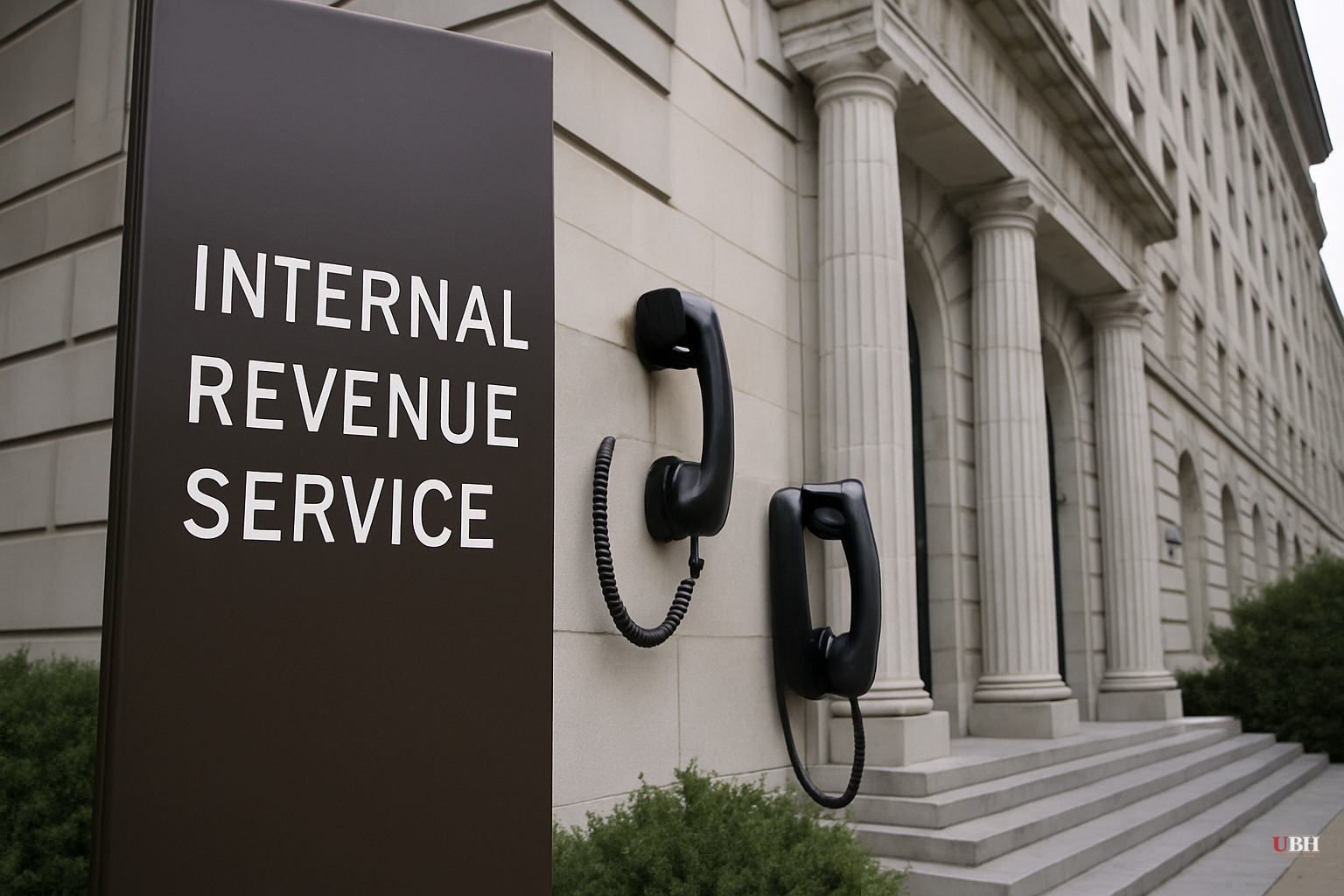
Since this outlet reported on June 24 that more than 500,000 identity theft victims are waiting nearly two years for IRS resolution, the National Taxpayer Advocate has now released the full written assessment behind those numbers, giving a clearer picture of what the 2026 filing season actually looked like.
Erin M. Collins, who leads the independent watchdog office that oversees the IRS, released her report Wednesday. Her headline finding: the agency did better than she had anticipated. "The vast majority of taxpayers filed their returns successfully and received their refunds without significant delay," Collins wrote, according to Newsday.
The IRS entered the 2026 filing season with roughly 74,000 employees, down from about 102,000 at the start of 2025, according to Newsday. That is a cut of approximately 28,000 workers, driven by a combination of Department of Government Efficiency-directed layoffs under Elon Musk and an earlier wave of firings. The agency leaned on automation and expanded self-service tools to keep routine returns moving. By that narrow measure, the strategy held.
Where It Fell Apart
Phone service is where the cuts landed hardest. Major account management lines answered 59% of incoming calls, according to both Newsday and TIPP Insights. That is below any reasonable standard for a federal agency handling mandatory financial obligations.
Compliance lines—the ones taxpayers call when the IRS is disputing something—got through only 34% of the time. The dedicated line for identity theft victims answered just 19% of calls.
For identity theft cases specifically, average resolution now takes approximately 600 days, or just under 20 months. More than 500,000 taxpayers are sitting in that queue, according to Collins's report. This is not a new problem the workforce cuts created from scratch. Collins described it as a long-standing issue, but the staff reductions have plainly not made it shorter.
The Case for the Cuts
The strongest defense of what happened is straightforward: the IRS processed millions of returns and issued refunds on schedule with a workforce nearly 28% smaller than the prior year. If automation can handle the volume, that is exactly the kind of efficiency gain that justifies restructuring government operations. Collins herself said the agency performed better than expected. That is the National Taxpayer Advocate, an independent watchdog, giving partial credit rather than the IRS grading its own homework.
The IRS stated in a release, cited by Newsday, that expanded self-service options and technology improvements allowed remaining staff to focus on complex cases. If that reallocation works at scale, the long-run service picture improves even if the transition is painful.
Why That Defense Has Limits
The problem is that "complex cases" include identity theft, and the data show those victims are not getting handled. A 19% call-answer rate on the identity theft line is not a transition pain. It is a near-total functional failure for a population that cannot simply file electronically and wait. Identity theft victims typically cannot get their refunds released until their cases close. A 600-day wait means some of these taxpayers have been in limbo since before the 2025 filing season ended.
Collins was direct: "Taxpayers who required assistance from the IRS often struggled to get it."
She had warned earlier in 2026, before the filing season began, that the worker exodus would create exactly these conditions for anyone with a complicated situation. That forecast proved accurate.
What Has Not Been Answered
The IRS workforce reduction was a deliberate policy choice, not a budget accident. The question Collins's report leaves open is whether the administration has a concrete plan to work down the 500,000-case identity theft backlog, or whether those cases simply accumulate further as staff levels stay at their current floor. The report does not indicate any announced timeline or dedicated resource commitment to clear that queue. Until one exists, the 600-day average will keep compounding.
Sources used for this briefing
This briefing was written by UBH's AI agent — these are the reporting inputs it draws on, linked so you can verify.


