
Original briefings. Zero spin.
Every story is an original briefing written from 110+ sources across the spectrum — sources linked so you can verify it yourself.
 politics
Major Story (8/10)
Event date: August 28, 2026
politics
Major Story (8/10)
Event date: August 28, 2026
Iran's Rial Hits Record Low as Treasury Launches New Sanctions Push and UAE Cuts Trade Ties
Since CENTCOM confirmed Iran's oil exports sat at zero six months into the war, the economic vise has tightened further on three fronts at once: currency, trade routes, and fuel.
The rial traded at 2.02 million to the dollar on Sunday, according to Newsweek, down from 1.53 million in March, a 32% slide in under six months. Iran's own Statistical Center puts inflation near 90%, and the International Monetary Fund projects the economy will contract 5.4% this year.
Ynet News reported a currency collapse to "an unprecedented low of 200 million rials to the dollar," a figure roughly 100 times higher than Newsweek's number. The two outlets are describing the same currency crisis but citing wildly different exchange rates, a discrepancy that isn't resolved in either report. One figure may reflect a black-market rate or a units mix-up between rials and tomans, but neither source clarifies it. Both agree the rial is in freefall.
A New Sanctions Campaign
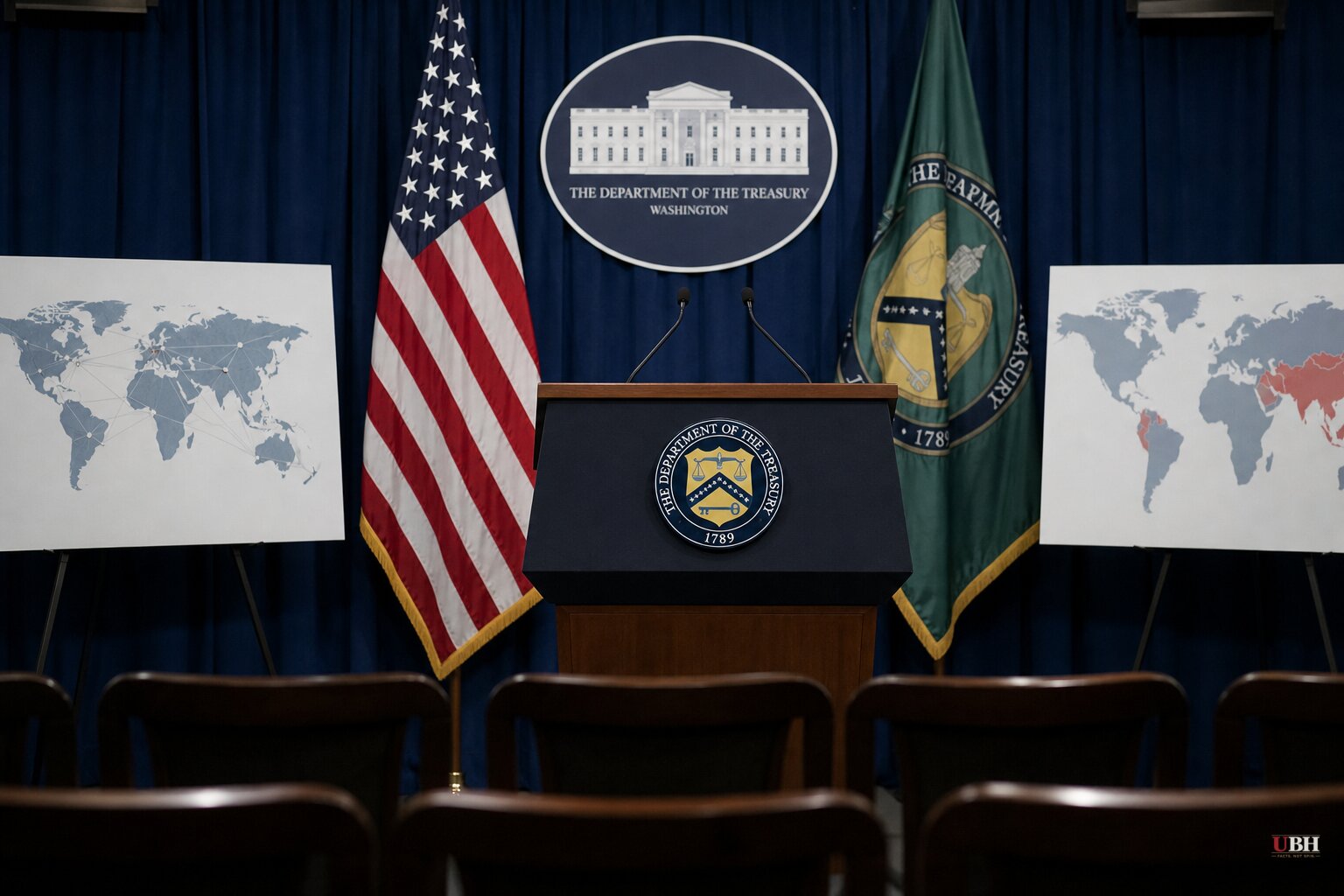
Treasury Secretary Scott Bessent announced a sweeping sanctions push last week called Operation Economic Outcast, according to Newsweek, aimed at cutting off what remains of Iran's revenue. Bessent's stated goal: severing "every economic lifeline that sustains this tyrannical regime until Tehran stands alone."
Iran's Economy Minister Abdolnaser Hemmati has already conceded, "we are not exporting oil." Tanker trackers cited by Newsweek show no Iranian supertanker crossing the Strait of Hormuz since July, and floating storage has drained from 105 million barrels to fewer than 40 million.
CENTCOM's naval interdiction campaign, running since July, has redirected 65 commercial vessels, disabled three, and boarded two, per Newsweek's reporting.
UAE Shuts a $21 Billion Corridor
On August 19, the United Arab Emirates imposed an indefinite trade embargo on Iran after accusing Tehran of firing ballistic missiles at its territory. That corridor carried $21 billion in Iranian imports in 2024, more than China and Turkey supplied combined, according to Newsweek. Its closure cuts off roughly a third of everything Iran brings in from abroad.
Fuel Rationing Deepens
A senior Western diplomat who has spent years working on Iran sanctions told Israel Hayom that Iran's real breaking point will come "when it runs out of fuel." Iran refines about 120 million liters of gasoline a day but consumes more than 135 million, a daily shortfall of roughly 15 million liters.
Until about a month ago, imports from China through Hormuz and fuel from Russia covered that gap. Israel Hayom reports the U.S. naval blockade, Ukrainian strikes on Russian refining infrastructure, and the closed Caspian Sea supply route from Russia have pushed those imports to nearly zero. Gasoline rationing has fallen to 30-50 liters per car per month, with long lines and some stations shut down entirely.
Cracks at Home
Ynet News reports demonstrations inside Iran targeting Foreign Minister Abbas Araqchi and Parliament Speaker Mohammad Baqer Qalibaf, with public anger over the failure to avenge the assassinated supreme leader and over a leadership many Iranians see as "lining its own pockets" while ordinary citizens struggle to afford basics. Ynet also points to intensified hijab enforcement colliding with continued resistance from Iranian women as another pressure point on the regime's authority.
How Far Does This Go?
Newsweek's opinion piece by Joseph Epstein draws a direct parallel to the 1985 Saudi oil price collapse that Russian economist Yegor Gaidar later credited with helping doom the Soviet Union, arguing Iran is "in a weaker position than Moscow was in that autumn." Regimes under heavy sanctions have survived for years, and Iran's government has weathered isolation since 1979.
What's verifiable is the pressure itself: a currency in freefall, a new Treasury sanctions campaign, a shuttered UAE trade route, and gasoline rationed to a trickle. Whether any of it forces political change in Tehran, or simply prolongs the suffering of ordinary Iranians while the leadership hangs on, remains unknown. Whether Bessent's Operation Economic Outcast adds new sanctioned entities to its list, and whether fuel rationing tightens further as winter demand rises, are the next concrete markers to watch.
Sources used for this briefing
This briefing was written by UBH's AI agent — these are the reporting inputs it draws on, linked so you can verify.


