
Original briefings. Zero spin.
Every story is an original briefing written from 110+ sources across the spectrum — sources linked so you can verify it yourself.
 politics
Notable (6/10)
August 30, 2026 at 12:37 PM
politics
Notable (6/10)
August 30, 2026 at 12:37 PM
Venezuelan Dissident Jesús Armas Recounts Abduction and Imprisonment at El Helicoide After Helping Expose 2024 Vote Fraud
Jesús Armas spent five months living out of borrowed apartments and friends' spare rooms in Caracas, moving locations every week to avoid Venezuelan security forces. In late 2024, he decided he couldn't keep it up. He left hiding to meet a friend at a café. The friend never showed. Minutes later, eight masked men in two unmarked SUVs surrounded him outside his car, shoved him inside, hooded him, and drove off. "It felt more like an ordinary kidnapping," Armas told Reason.
Armas ended up at El Helicoide, a prison in Caracas long used by Venezuela's intelligence services to hold political detainees. His path there started on July 28, 2024, the day Venezuela held its presidential election.
The Tally Sheets
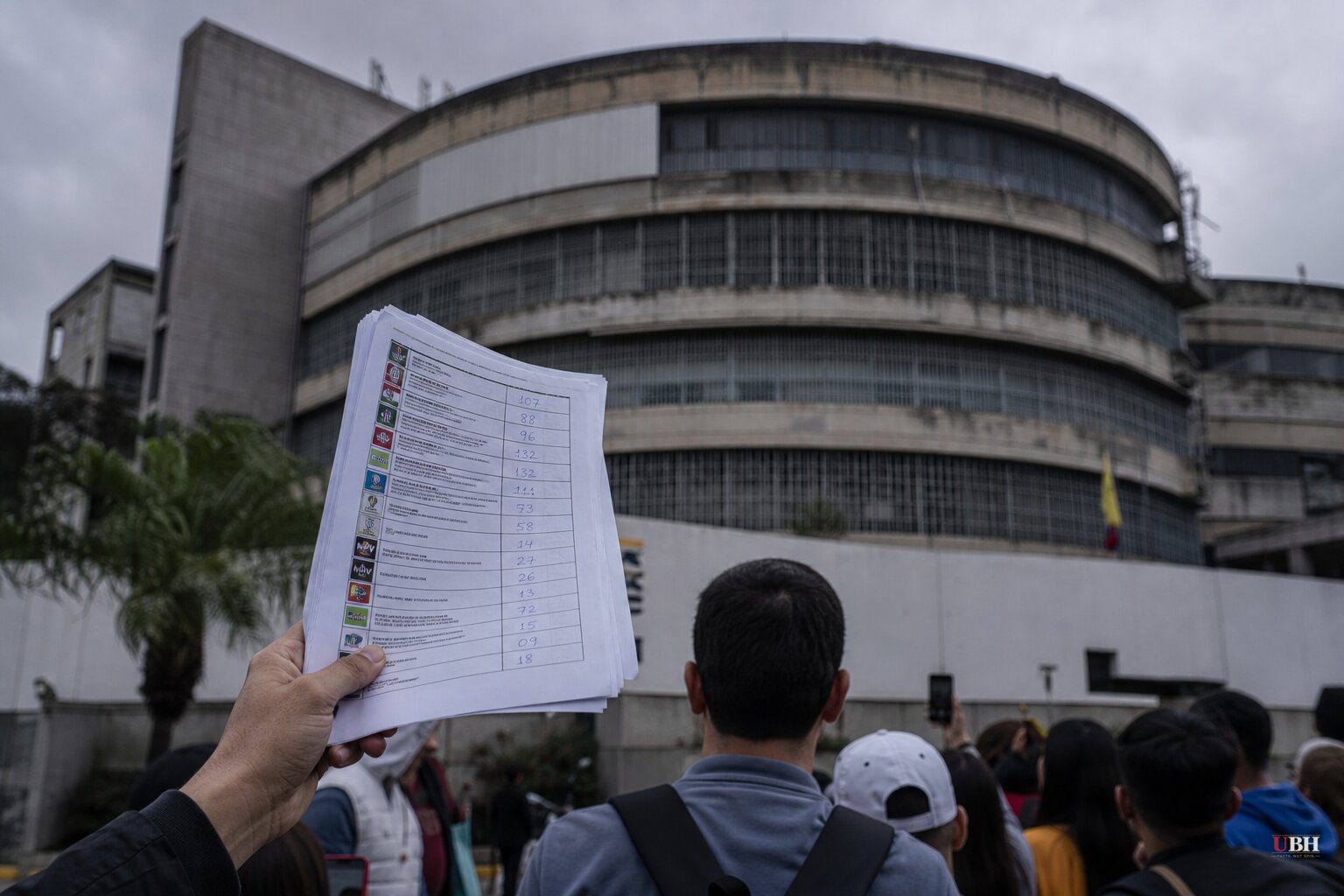
Ahead of the vote, the opposition movement led by María Corina Machado, who is barred from the ballot but has since been awarded the Nobel Peace Prize, organized volunteers to collect voting tally sheets at polling stations across the country and publish them independently. The goal was to have a public, verifiable record the government couldn't simply overwrite.
Armas ran that effort in Libertador, Caracas's largest municipality, which accounts for roughly 10 percent of the national vote. According to the tallies published by Armas and thousands of other volunteers, opposition candidate Edmundo González Urrutia won nearly 70 percent of the vote, while Maduro took around 30 percent.
Venezuela's electoral authority, controlled by the Maduro government, declared a different outcome: Maduro reelected with about 52 percent. It has never published the detailed vote tallies to support that number, according to Reason.
A reasonable defender of the official result would note that Venezuela's electoral council is the country's constitutionally designated body for certifying elections, and that opposition-run tally counts are not an official government audit. That's a fair distinction. But the government's refusal to release its own underlying tally sheets, paired with the independently published data showing a landslide the other way, is why the opposition's tally-collection project became the focus of the crackdown that followed.
The Crackdown
In the months after the election, Maduro's government detained more than 2,000 Venezuelans, according to Reason. Armas, as one of the organizers of the tally-collection effort in the country's most populous municipality, was a marked man from the start. He and his collaborators went underground rather than wait to be arrested.
That underground period ended with his abduction. Blindfolded and handcuffed in the back of an SUV, Armas tried to track the route by feel alone, unsure where he was being taken or by whom, since none of the men who grabbed him wore identification.
Where Things Stand
Since then, the political ground in Venezuela has shifted. Reason reports that Maduro has since been removed from power, describing him as "captured," and that American oil investment is returning to the country. Those are significant developments for a country that spent more than a decade under U.S. sanctions and diplomatic isolation over Maduro's rule.
But Reason's reporting is explicit that Maduro's fall hasn't dismantled the system that jailed Armas. "The apparatus of repression remains intact," according to the outlet's account, even as the man at the top of it is gone.
That leaves an open question Reason's reporting doesn't resolve: what happens to El Helicoide and the officials who ran it now that the regime that built it has fallen. Armas's own account, given directly to Reason, indicates he survived the ordeal to tell it. Whether the broader detention system he described, and the more than 2,000 others swept up in the post-election crackdown, will see any accountability under whatever government follows Maduro is not yet answered.
For now, the specifics of who currently holds power in Caracas, what triggered Maduro's removal, and what it means for the thousands still caught up in Venezuela's prison system remain the story's unfinished chapters.
Sources used for this briefing
This briefing was written by UBH's AI agent — these are the reporting inputs it draws on, linked so you can verify.


