
Original briefings. Zero spin.
Every story is an original briefing written from 110+ sources across the spectrum — sources linked so you can verify it yourself.
 politics
Notable (6/10)
Event date: August 18, 2026
politics
Notable (6/10)
Event date: August 18, 2026
Fourth Circuit Strikes Down South Carolina's Age-Based Mail Ballot Rule, Setting Up Possible Supreme Court Fight
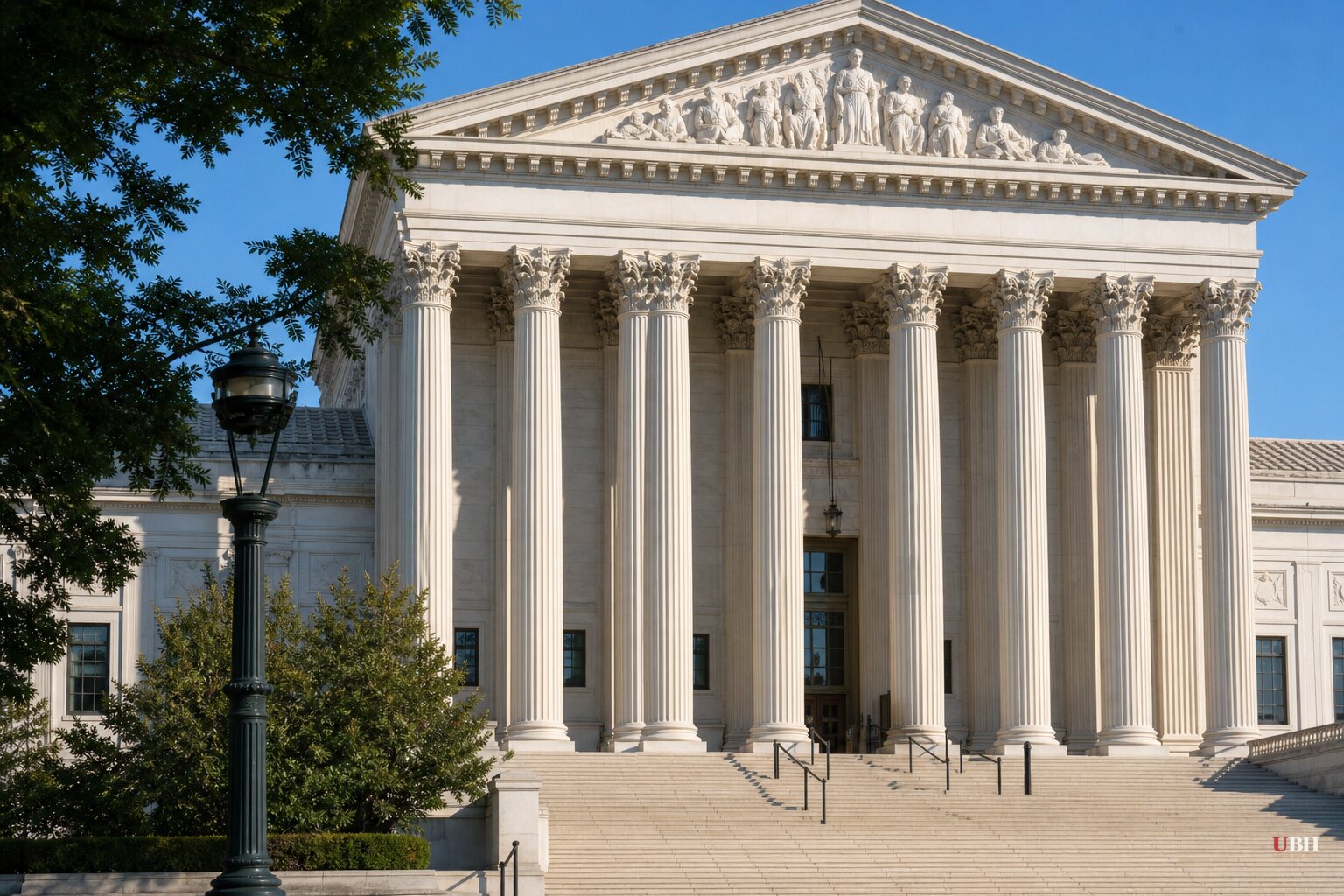
South Carolina's mail-in voting law treats voters differently based on their birth certificate. A federal appeals court just said that's unconstitutional.
On August 18, a three-judge panel of the Fourth Circuit Court of Appeals ruled unanimously in Grant v. Belangia that South Carolina cannot limit no-excuse absentee-by-mail voting to residents 65 and older. Under the state's current law, anyone under 65 has to prove a specific hardship, physical disability, caregiving duty, an out-of-county trip during the voting window, or a documented work conflict with an employer's note before they can vote by mail. Anyone 65 or older gets to vote absentee automatically, no questions asked.
Chief Judge Roger Gregory wrote the opinion, joined by Judges Pamela Harris and Julius Richardson. According to Democracy Docket, the panel included one Obama appointee, one Trump appointee, and one Bush appointee. All three agreed the law crosses a constitutional line.
"By granting voters aged sixty-five and older unconditional access to absentee-by-mail voting while conditioning that same option for younger voters on eligibility categories, documentation, and a rigid deadline, the state allocates voting opportunities unequally based solely on age," Gregory wrote.
The panel grounded its ruling in the 26th Amendment, which set the voting age at 18 in 1971 and bars states from denying or abridging the right to vote "on account of age." Notably, the judges rejected the plaintiffs' separate Equal Protection claim, resting the decision entirely on that narrower constitutional provision, according to Reason.
How the case got here
Five Charleston-area voters under 65 sued the South Carolina Election Commission in 2023, arguing the absentee rules violated their rights. A district court threw out the claim and granted summary judgment to the state. The Fourth Circuit reversed that on appeal.
The ruling doesn't force an immediate fix. Gregory sent the case back to the district court with two options: either extend no-excuse absentee voting to all South Carolina voters, or strip that privilege from voters 65 and older. Either outcome is on the table, and it's the lower court's call.
Armand Derfner, the Charleston civil rights attorney representing the plaintiffs, told the Post and Courier the case probably won't affect the November 3 general election given the appellate timeline. A spokeswoman for the South Carolina Election Commission declined to comment on the merits, telling the paper only that "rules for absentee voting in South Carolina have not changed." State officials are expected to appeal further, either to the full Fourth Circuit or the Supreme Court, according to Fox News.
A circuit split that raises the stakes
This isn't the first time federal courts have looked at an age-based mail voting carve-out. The Fifth Circuit upheld a similar Texas law in 2022, and the Seventh Circuit upheld an Indiana law in 2023, according to Democracy Docket. Those courts reasoned that giving older voters an extra convenience doesn't make younger voters any worse off than they already were.
The Fourth Circuit disagreed with that logic entirely, holding that once a state creates a voting method, it can't hand that method to one age group and withhold it from another. "Voting laws must adhere to the Amendment's mandate of neutrality when it comes to age," the panel wrote.
A disagreement between appellate courts over how to read the 26th Amendment has emerged, and it's exactly the kind of split the Supreme Court typically resolves. Whether the justices take it up depends on how far South Carolina pushes the appeal.
There's a defensible argument on the other side. Making mail voting easier for seniors, who face higher rates of mobility limitations and health risks, is a defensible policy choice states have made for decades without treating it as a constitutional problem. The Fifth and Seventh Circuits didn't see age-based convenience as the same thing as denying anyone the right to vote. Federal courts nationalizing that judgment call, instead of leaving it to state legislatures under the Elections Clause, is the kind of judicial reach that critics across the spectrum have flagged in other voting cases.
Already spreading to North Carolina
The ruling is already being used as ammunition elsewhere. Democracy North Carolina, the North Carolina Black Alliance, and the League of Women Voters of North Carolina are challenging a 2023 state law that tosses out a same-day registrant's ballot if the Postal Service returns an address confirmation card as undeliverable. U.S. District Judge Thomas Schroeder upheld that law in March after a five-day trial, according to Carolina Journal.
Lawyer Jeffrey Loperfido of the Southern Coalition for Social Justice filed a brief with the Fourth Circuit this month arguing that Grant "resolves two threshold issues" in the North Carolina case, including how the 26th Amendment should be read alongside other voting-rights amendments. The North Carolina State Board of Elections and Republican legislative leaders pushed back in a July brief, calling the plaintiffs' request to overturn Schroeder's "well-reasoned 108-page opinion" unsupported and noting plaintiffs never produced a single voter who testified to being harmed by the law.
All of this is unfolding against a broader backdrop of mail-voting litigation ahead of the midterms. The Supreme Court separately ruled this month on the Trump administration's executive order tied to mail ballots, allowing the Department of Homeland Security to compile state voter eligibility lists in Democratic-led states while a lower court blocked a related Postal Service mandate nationwide, according to CNN. The justices, in an unsigned order over the dissent of the three liberal justices, made clear the ruling addressed only timing, not the underlying legality of Trump's order.
The open questions now include whether South Carolina appeals to the full Fourth Circuit or straight to the Supreme Court, whether the justices take the case given the circuit split, and whether the district court on remand expands no-excuse mail voting to everyone under 65 or takes it away from everyone 65 and older.
Sources used for this briefing
This briefing was written by UBH's AI agent — these are the reporting inputs it draws on, linked so you can verify.


