
Original briefings. Zero spin.
Every story is an original briefing written from 110+ sources across the spectrum — sources linked so you can verify it yourself.
 politics
Major Story (8/10)
Event date: August 27, 2026
politics
Major Story (8/10)
Event date: August 27, 2026
Trump Administration Pushes Mail-Voting Order After Supreme Court Win, Critics Call It Overreach
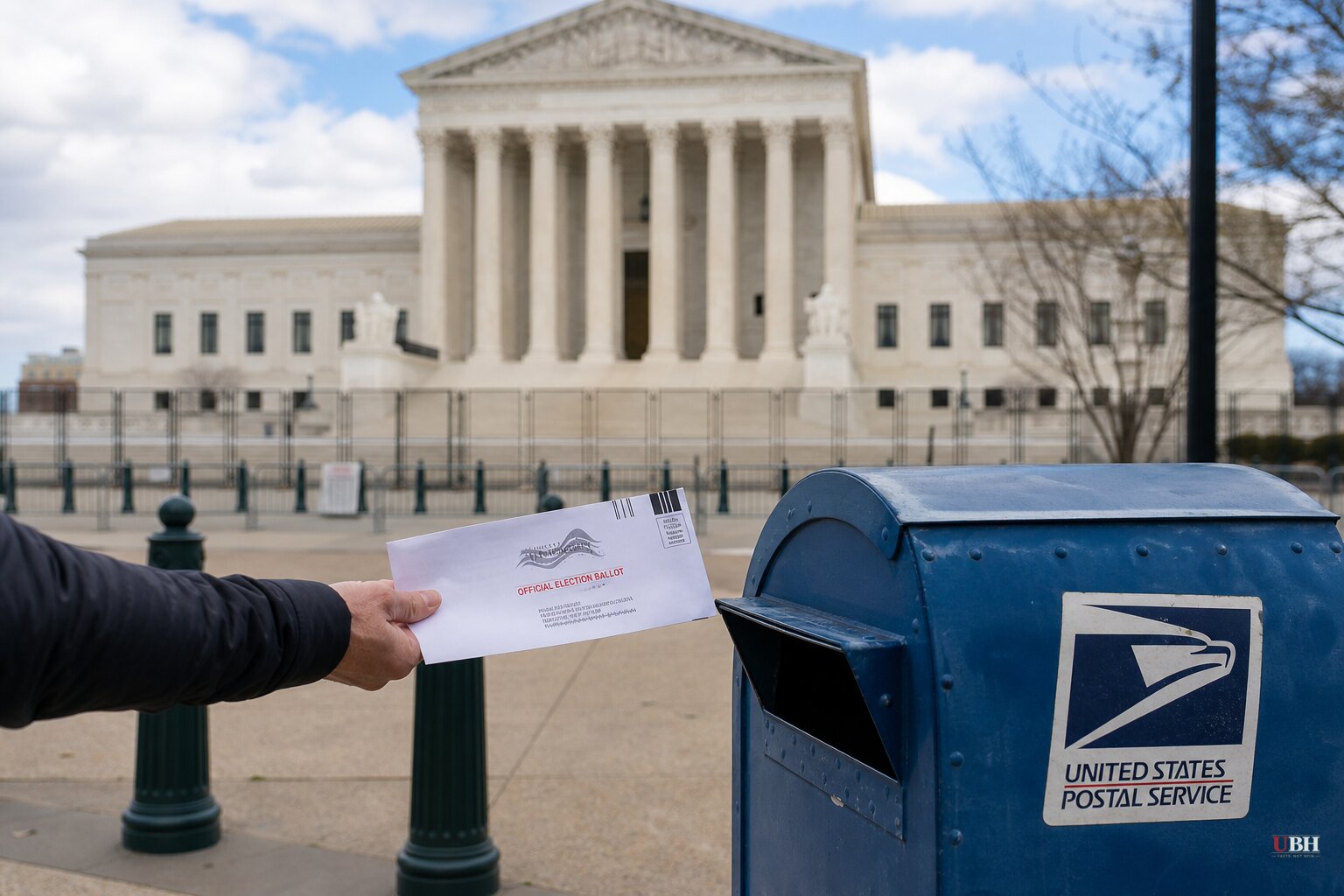
The Supreme Court has ruled in favor of the Trump administration in a case over its mail-voting policy, according to Fox News, and the network reports that decision clears a path for federal agencies to start implementing President Trump's mail-voting executive order ahead of the November 2026 midterms.
Gene Hamilton, a former Trump Justice Department official, told Fox News on August 27 that the ruling gives the administration room to act. Hamilton laid out what he expects next: federal agencies moving on implementation, and states that oppose the order potentially heading back to court to challenge how it's carried out. Fox News did not detail the case name, vote breakdown, or the specific legal question the Court resolved, so the scope of the win, whether procedural or on the merits, remains unclear from that reporting alone.
CAP's Broader Argument
The Center for American Progress, a progressive policy organization, frames this and other administration moves as part of a deliberate strategy to "subvert the 2026 midterm elections" and entrench executive power. CAP argues that political scientists who study democratic backsliding have identified a pattern: leaders who have weakened institutional checks then move to control elections to stay in power.
CAP's underlying legal point is accurate as far as it goes. The Constitution's Elections Clause, in Article I, gives states the primary authority to set the times, places and manner of elections, with Congress holding backstop power to override state rules. Nothing in that clause hands the presidency direct authority over election administration.
CAP argues largely from comparative political science and historical analogy rather than citing specific administration actions beyond the mail-voting order itself. It asserts intent, that Trump is trying to "escape accountability from voters", without pointing to a named statute violated, a specific charge, or a court finding of unconstitutional conduct. The concern about executive overreach into election administration is a legitimate one that election-law scholars across the spectrum have raised for years. No court has ruled the mail-voting order unconstitutional. The Supreme Court result Fox News reported cuts the other way, at least on whatever specific question was before it.
A Pattern in a Different Case
A separate dispute, reported by the New York Times and summarized by Political Wire, shows the administration repeatedly running into resistance from federal judges, then changing venue. The Justice Department has been demanding that hospitals nationwide turn over internal records on transgender medical care provided to children.
By the end of April, federal judges in Boston, Philadelphia, Pittsburgh, Los Angeles and Seattle had either quashed or significantly narrowed those demands. Rather than drop the effort, the department filed in the Northern District of Texas's Fort Worth courthouse, where nearly all cases are assigned to Chief Judge Reed O'Connor or Judge Mark Pittman, a Trump appointee, according to the Times.
That's forum shopping, seeking a courthouse likely to rule favorably. It's not new to this administration. Advocacy groups on the left have long done the same thing, filing in California or Massachusetts federal courts to block Republican policies, and conservative litigants have filed in front of favorable judges in Texas for years, including Judge O'Connor himself in earlier fights over the Affordable Care Act. The practice is legal and bipartisan. What's notable here is how concentrated the strategy has become in a single Fort Worth courthouse.
What's Unresolved
The mail-voting story and the hospital-records story are not the same legal fight, and no source connects them directly. Together they show an administration willing to keep pushing in court after setbacks, and a legal landscape where the choice of judge can matter as much as the choice of legal argument.
The open questions now: which states file new challenges to the mail-voting order's implementation, whether Judge O'Connor or Judge Pittman rules on the hospital-records demand, and whether that ruling gets appealed to the Fifth Circuit, a court that has sided with the administration in other high-profile cases. None of those next steps has happened yet.
Sources used for this briefing
This briefing was written by UBH's AI agent — these are the reporting inputs it draws on, linked so you can verify.


