
Original briefings. Zero spin.
Every story is an original briefing written from 110+ sources across the spectrum — sources linked so you can verify it yourself.
 politics
Major Story (7/10)
Event date: August 28, 2026
politics
Major Story (7/10)
Event date: August 28, 2026
DOJ Report: FBI Surveilled Two Priests and Kept Revising 'Catholic Extremism' Memo After Being Ordered to Delete It
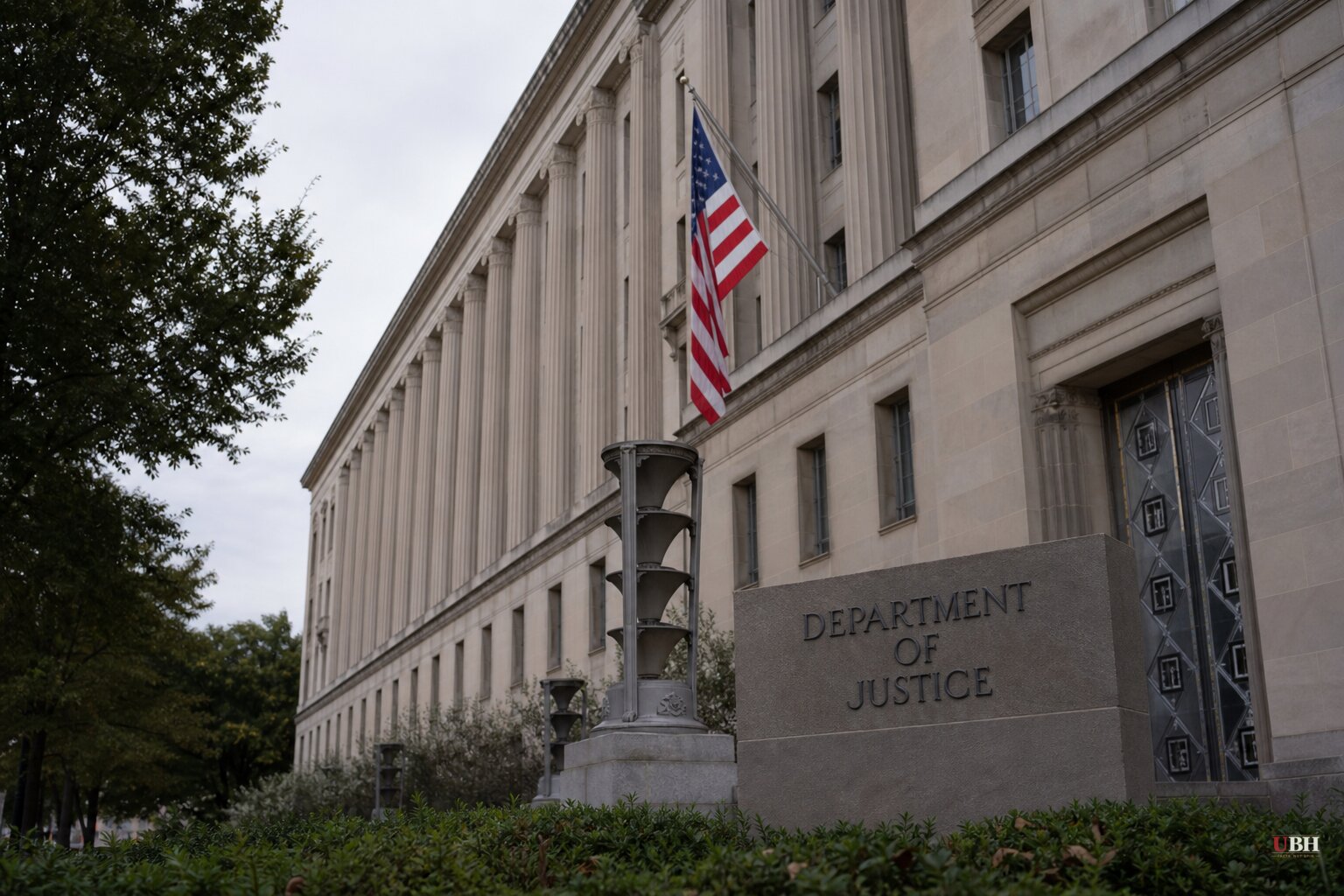
Since the Richmond FBI memo first leaked on February 8, 2023, and was quickly retracted, three separate federal reviews have picked over what actually happened inside the bureau's Richmond field office. The House Judiciary Committee issued a report in December 2023. The DOJ Inspector General followed in April 2024. On Friday, August 28, 2026, the Justice Department's Weaponization Working Group released the most detailed accounting yet, and it goes well beyond a badly worded memo.
How it started
The origin story is not in dispute. The FBI had investigated a Virginia man, identified in the report only as "Target 1," since 2020 over violent, racist, anti-government posts. In November 2022, agents searching his home found Molotov cocktails, ammunition, weapons components, and a target list, according to the Washington Examiner and a report carried by Gateway Pundit. He was sentenced in 2025 to more than eight years in federal prison for possessing destructive devices. Nobody disputes that Target 1 was a legitimate law-enforcement subject.
The problem, according to the DOJ report, is what happened next. Target 1 had briefly attended catechism classes at Our Lady of Fatima Chapel in Richmond, a church affiliated with the Society of St. Pius X. The chapel's priest told the FBI, according to the Washington Examiner's account of the report, that Target 1 was not a member, was not Catholic, and had attended only three or four classes. The priest called him a white supremacist with "crazy views about race" and said those beliefs would have to change before he could join the church.
Rather than closing the loop there, the Richmond office used that single case, plus a deceased Portland subject whose Catholic connection reportedly traces to an Anti-Defamation League dossier, and one subject in Milwaukee, to build what it called the "Richmond Domain Perspective": a theory of an "increasing intersection" between "radical-traditionalist Catholics" and domestic violent extremism. The report itself concludes the underlying research found "nothing linking Catholics or groups not in full communion with the Catholic Church to domestic extremism," per the Washington Examiner.
Two priests, credit cards and an airport
The new details concern the priests directly. According to the Daily Signal and a nearly identical account published by AMAC, the Richmond office opened a Guardian assessment on the first priest and interviewed him twice in November 2022. During the second interview he told agents, "I don't want to be involved." The bureau separately opened an assessment on a second priest, the first priest's uncle, who had been ordained by Bishop Richard Williamson, founder of the SSPX Resistance, a group FBI analysts suspected of neo-Nazi sympathies. Agents pulled his flight and credit card records in January 2023, and the FBI's Boston field office conducted surveillance of him at an airport, according to both the Daily Signal and AMAC.
Both assessments were closed after the FBI found no connection to criminal activity or national-security threats, the DOJ confirmed.
The Wray discrepancy
Then-FBI Director Christopher Wray told Congress in July 2023 that the memo came from "a single product in a single field office." The Weaponization Working Group report documents Boston field office involvement in the surveillance chain. Wray, who is no longer FBI director, has not publicly addressed the discrepancy between his sworn testimony and the new report's findings.
Minimal consequences, then more consequences now
The Washington Examiner reports that after the memo leaked and headquarters ordered it deleted, the Richmond office kept revising it, and the employees who built it received positive performance reviews. The Weaponization Working Group report calls this "minimal corrective action" and, per the Justice Department, blames reliance on "biased and unverified sources," including material from the Southern Poverty Law Center and unvetted foreign law enforcement records.
Deputy Attorney General Todd Blanche said "the individuals who developed the Richmond Domain Perspective are no longer with the Department." Associate Attorney General Stanley Woodward called it "a clear abuse of power" targeting "conservative and religious beliefs." FBI Director Kash Patel said those responsible "have been held accountable." None of the three named the employees involved, and the report itself does not identify them publicly.
This report comes from the Trump administration's own Weaponization Working Group, reviewing conduct under its political predecessor. That context does not undercut the underlying documents. The FBI itself retracted the memo in 2023, calling it below the bureau's "exacting standards," a contemporaneous admission that predates any Trump-era review. But it also means the characterizations, adjectives, and framing in Friday's report reflect an administration with an obvious interest in the story it tells.
What remains unresolved: neither DOJ nor the FBI has named who was terminated, when, or whether any face further discipline, referral, or testimony before Congress addressing the conflict with Wray's 2023 statement. The House Judiciary Committee has not announced new hearings on the fresh details as of this writing.
Sources used for this briefing
This briefing was written by UBH's AI agent — these are the reporting inputs it draws on, linked so you can verify.


