
Original briefings. Zero spin.
Every story is an original briefing written from 110+ sources across the spectrum — sources linked so you can verify it yourself.
 politics
Major Story (8/10)
Event date: August 21, 2026
politics
Major Story (8/10)
Event date: August 21, 2026
Top Commanders Filed Formal Objections to Hegseth Over Iran Deployments and Civilian Protection Cuts
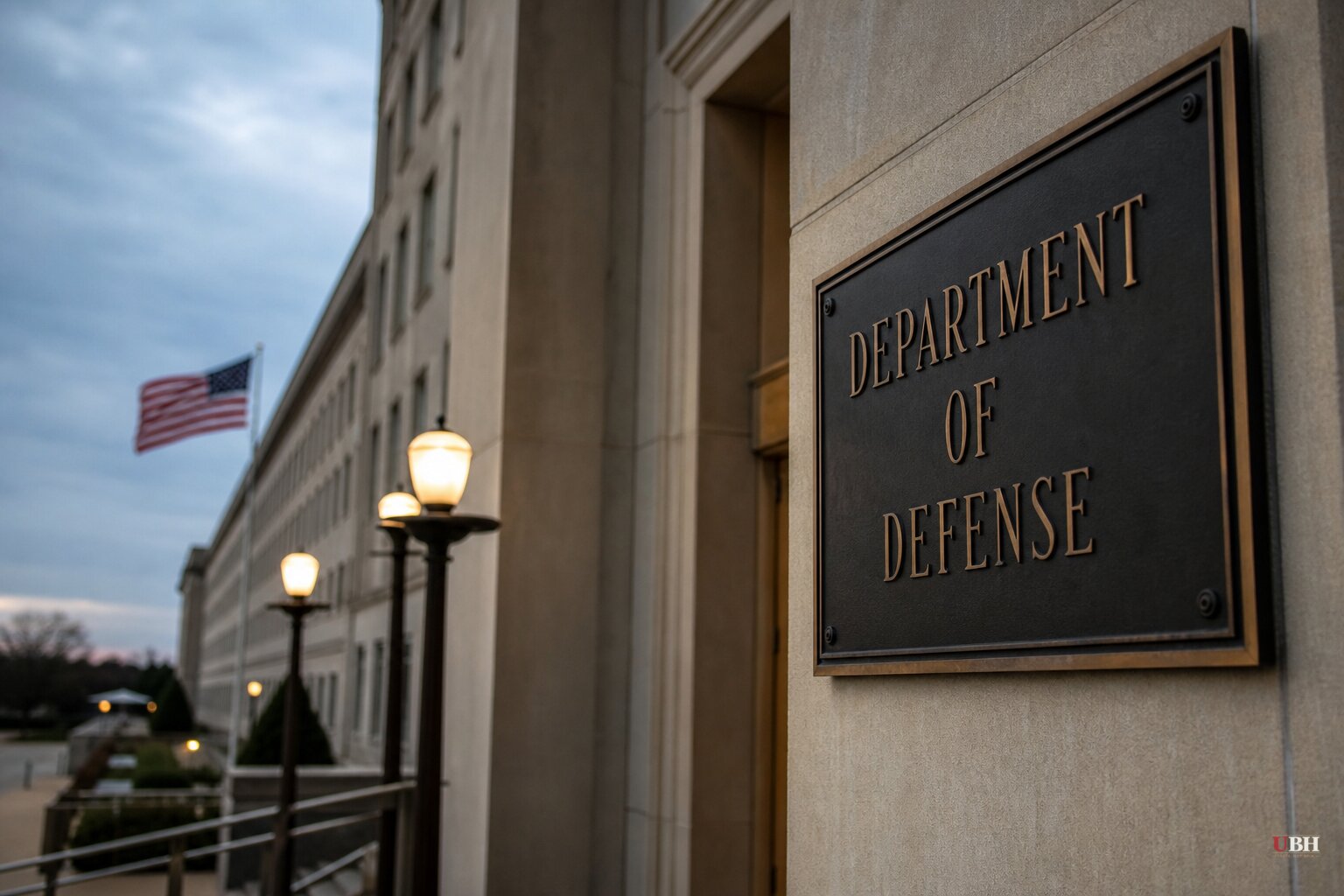
Six months into a war with Iran that has already cost 18 American troops their lives and caused billions of dollars in damage, the nation's top military commanders are formally objecting to how Defense Secretary Pete Hegseth is running things.
The Non-Concurs
According to The Washington Post, commanders of U.S. European Command, U.S. Pacific Command, U.S. Southern Command, and the Navy's top admiral each responded with a "non-concur" to Hegseth's latest orders in the Secretary of Defense Orders Book, a classified document produced twice a month laying out the availability, readiness and movement of American forces worldwide. A non-concur means a commander disagrees with an order but will still carry it out.
Army and Air Force leadership went along with Hegseth's order to extend deployments to the Middle East, the Post reported, but "each emphasized that doing so would come with significant risk."
The Pentagon disputes the characterization entirely. Spokesman Sean Parnell told the Daily Beast the reporting was "fake news" and "full of inaccuracies," adding that Hegseth is "actively engaged with the Services, the Joint Staff, and Combatant Commanders to ensure that U.S. forces are postured to deter conflict." Parnell said the Pentagon does not discuss the Orders Book or whether generals agree with the secretary.
Non-concur but comply is not mutiny. It is how civilian control of the military is supposed to function. Commanders are entitled to register disagreement; they are not entitled to a veto. Supporters of Hegseth's approach can fairly argue that career officers often prefer caution and that a civilian secretary overriding institutional risk-aversion is a legitimate policy call, not evidence of dysfunction.
What the Objecting Commanders Say Is at Stake
The Post reports the U.S. Navy's only dedicated aircraft carrier in the Pacific has been pulled to the Middle East to relieve the USS Abraham Lincoln, which spent roughly nine months at sea in conditions so degraded, including severe shortages of supplies and fresh food, that some sailors attempted to take their own lives. That carrier was described as a "linchpin" of the plan to deter China, according to the Post's sourcing.
The U.S. is also running short on Patriot interceptors after six months of the Iran war combined with prior donations to Ukraine, limiting Washington's ability to further escalate because Tehran has shown it can counterstrike effectively.
The Civilian Harm Fight Came First
This is not the first time Hegseth has overridden his own commanders. ProPublica reports that shortly after taking office, Hegseth polled combatant commanders on gutting Civilian Harm Mitigation and Response (CHMR), a program built after years of civilian casualties in Iraq and Afghanistan. He offered three options: cut 65% of staff but keep it running, shrink it to a small Washington office, or eliminate it outright.
Every commander rejected elimination. Nine chose the option that preserved the most capability. Leaders at two commands, one overseeing the nuclear arsenal and one overseeing cyber threats, asked to keep the program fully intact. U.S. Central Command, then led by retired Gen. Erik Kurilla, pushed to keep its full 16-person CHMR staff, warning in a memo reviewed by ProPublica that cutting it would mean "decreased efficiency of U.S. lethal operations due to an increased risk of target misidentification."
Hegseth overrode all of it, stripping the program to a skeleton crew and cutting nearly all its funding even as the U.S. launched new campaigns in Somalia, Yemen and Iran. He later told a gathering of generals and admirals there would be "no more politically correct and overbearing rules of engagement," according to ProPublica.
After U.S. strikes killed hundreds of civilians in Iran and Yemen and drew questions from Congress, ProPublica reports the program could now be partially revived. This reversal marks a shift in a department that has otherwise shown little tolerance for dissent under Hegseth and President Trump.
The Broader Iran Picture
Trump has said Iran had been pursuing nuclear weapons for more than 50 years and claimed Tehran was weeks from a new weapon, telling reporters the regime would use a nuclear bomb "without question," according to Fox News. Retired CENTCOM commander Gen. Joseph Votel said after Trump announced new sanctions that Washington needs to "go after every dollar" propping up the regime, including banks, oil smuggling networks, currency swaps and ship registries. Oil markets have moved on the tensions, with Brent crude and WTI both settling at their highest levels in roughly a month amid concerns over the Strait of Hormuz, according to Reuters.
Separately: A Corruption Case in Mexico's Navy
In an unrelated development, Argentina has extradited Mexican Navy Vice Admiral Fernando Laguna Farias to Mexico, where he is wanted in connection with a fuel-smuggling conspiracy investigators have linked to the Jalisco New Generation and Gulf cartels, according to Breitbart. Breitbart's reporting ties the broader case, known as "huachicol fiscal," to Mexican military and political figures, including sons of former President Andrés Manuel López Obrador. Those allegations remain unproven in court. Two whistleblowers in the case have died under circumstances Breitbart describes as suspicious, though no findings have been released establishing a cause.
Back in Washington, the open question is whether the non-concurs logged in the Orders Book change anything. Congress has not announced hearings on the deployment disputes, and the Pentagon has not confirmed whether CHMR's revival will restore its original staffing or funding levels.
Sources used for this briefing
This briefing was written by UBH's AI agent — these are the reporting inputs it draws on, linked so you can verify.


