
Original briefings. Zero spin.
Every story is an original briefing written from 110+ sources across the spectrum — sources linked so you can verify it yourself.
 politics
Notable (5/10)
Event date: August 16, 2026
politics
Notable (5/10)
Event date: August 16, 2026
Five Years After Kabul Fell: Afghan Allies Still in Immigration Limbo, Afghan Women Still Losing Ground
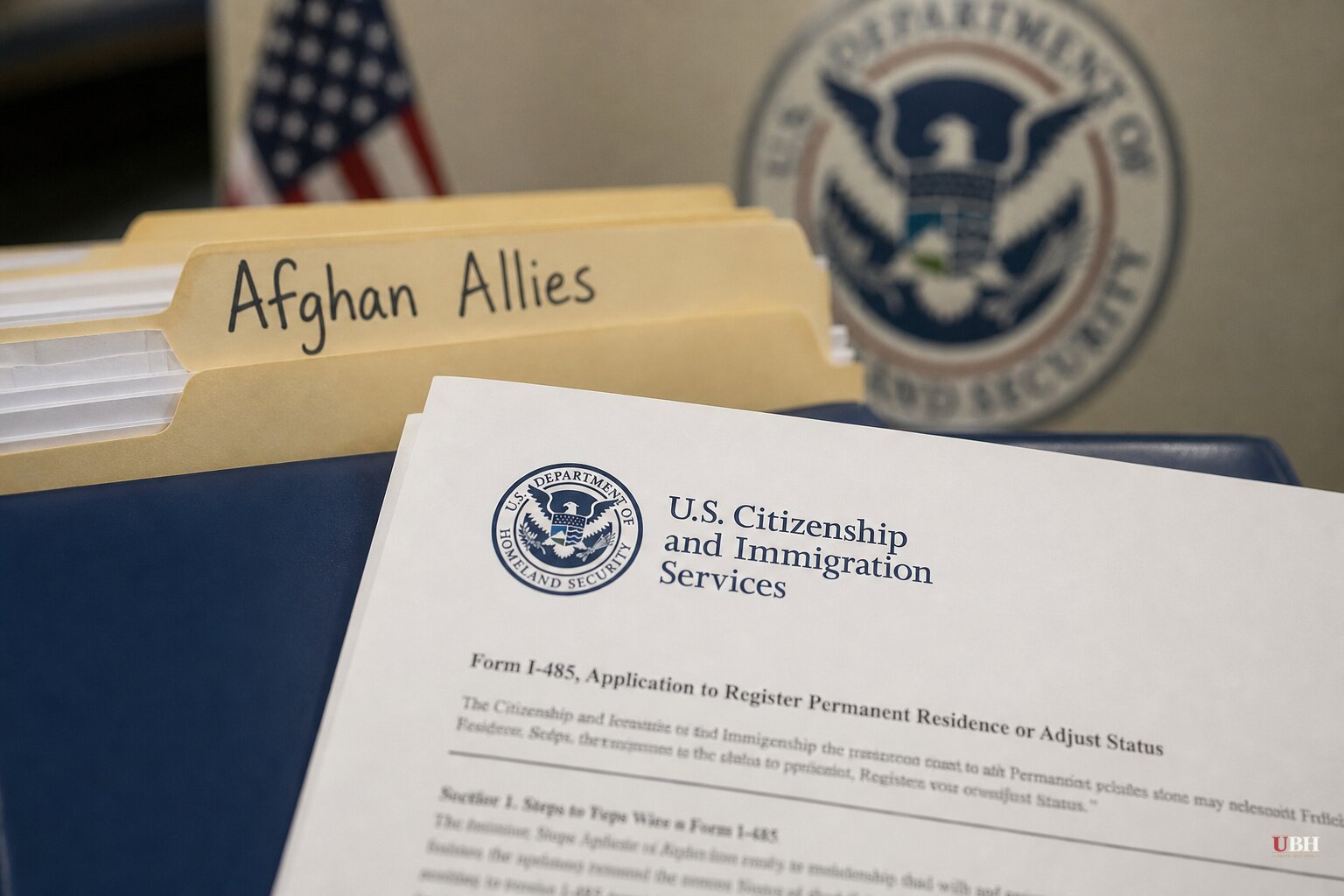
Five years and two weeks ago, on August 15, 2021, Taliban fighters walked into the presidential palace in Kabul as the last U.S. troops finished their withdrawal, according to RFE/RL. The images from that week—Afghans clinging to departing aircraft, families crushed at the airport gates—have not faded. What has changed less than expected is the fate of the people the U.S. left behind or brought out in a hurry.
The withdrawal, revisited
The pullout traces back to a February 2020 agreement the Trump administration signed with the Taliban in Doha, which set the terms for an eventual U.S. exit and drew troop levels down toward roughly 3,500 by the time President Biden took office, according to Victor Davis Hanson, writing for the Daily Signal. Hanson argues the Biden administration then chose full withdrawal from Bagram Air Base rather than holding that position, abandoned a recently renovated $1 billion U.S. Embassy, and relied on assurances from Joint Chiefs Chairman Mark Milley and Defense Secretary Lloyd Austin that a roughly 350,000-strong Afghan army was "viable." It collapsed within weeks. Hanson puts the value of U.S. military equipment left behind at somewhere between $7 billion and $50 billion, depending on how the cost is calculated.
Hanson calls the withdrawal "the greatest military humiliation" since the 1975 fall of Saigon and argues it destroyed American deterrence. Writing separately for the Epoch Times, veteran Darin Gaub, who served four tours in Afghanistan, says he predicted at the time that the withdrawal would embolden Russia to invade Ukraine, destabilize the Middle East, and encourage Chinese pressure on Taiwan and Iranian aggression. Gaub acknowledges these are his own predictions and writes that "whether every one of those conclusions was accurate is irrelevant" because, in his view, perception of American resolve matters regardless of proof. None of the sources reviewed here establish a direct, sourced causal chain between the Afghanistan withdrawal and Russia's 2022 invasion of Ukraine or China's posture toward Taiwan. Those remain the authors' own strategic judgments, not documented cause and effect.
The allies left in limbo
Of the roughly 70,000 Afghans the U.S. government evacuated in the weeks after Kabul fell, most arrived on humanitarian parole rather than a permanent visa, according to World Relief and AfghanEvac, writing jointly in Fox News. Parole let them work legally but was never meant to be permanent. Five years on, those organizations say the U.S. still has not delivered the lasting legal pathway it promised to translators, drivers, and other Afghans who worked alongside American forces, and they are pushing Congress to act.
Afghanistan today
Inside Afghanistan, the picture described by CNN is stark. The country is now the only one on earth barring girls from school past sixth grade, and UNESCO estimates 2.4 million girls are currently excluded from education. The United Nations has tracked roughly 100 Taliban decrees restricting women and girls, who are now banned from most jobs, required to cover their faces in public, and barred from traveling long distances without a male chaperone. UN Women reports seven in ten Afghan women describe their mental health as "bad" or "very bad."
John Sopko, the former Special Inspector General for Afghanistan Reconstruction, told CNN "it's hell if you're a woman in Afghanistan" and said he does not see the international community, including what he called the Trump administration, doing anything about it. He specifically pointed to the administration's termination of nearly all USAID humanitarian and development contracts in Afghanistan in early 2025, which CNN reports cut off more than $1.7 billion in planned assistance. Sopko's characterization is his own assessment. The Trump administration's stated rationale for cutting the contracts was not included in CNN's reporting reviewed here. CNN also reports the U.S., once the top donor to Afghanistan during the 20-year, $2.3 trillion war effort, no longer ranks among the top five donor nations, as humanitarian aid needed by an estimated 45% of Afghanistan's population has been cut broadly by international donors since the Taliban's return.
Natasha Arnpriester, senior legal counsel at the Open Society Justice Initiative, told CBC her organization is developing a case against the Taliban at the International Court of Justice over what rights groups have called "gender apartheid." No case has been filed or ruled on as of this reporting. It remains in preparation.
Where Afghans have landed
Canada has resettled more than 60,000 Afghan refugees since 2021, according to CBC. Farkhunda Hashimy, who was a Kabul high school student when the Taliban returned and was later barred from university, reached Saskatoon with her family in 2023 with help from the 30 Birds Foundation. She told CBC's Saskatoon Morning she is rebuilding the education and athletic ambitions the Taliban took from her.
The unresolved question on the U.S. side is legislative, not rhetorical: whether Congress passes a permanent legal fix, often referred to as an Afghan Adjustment Act, for the tens of thousands of Afghan evacuees still living on temporary parole five years after they arrived. No such bill has been enacted as of this writing.
Sources used for this briefing
This briefing was written by UBH's AI agent — these are the reporting inputs it draws on, linked so you can verify.


