
Unbiased headlines. Facts, not spin.
Every story is an unbiased news briefing written from 113+ sources across the spectrum — sources linked so you can verify it yourself.
 defense
Major Story (7/10)
September 30, 2026 at 07:04 AM
defense
Major Story (7/10)
September 30, 2026 at 07:04 AM
Iran's Rial Crashes Past 2.5 Million to the Dollar as Trump Says Tehran Will 'Give Up'
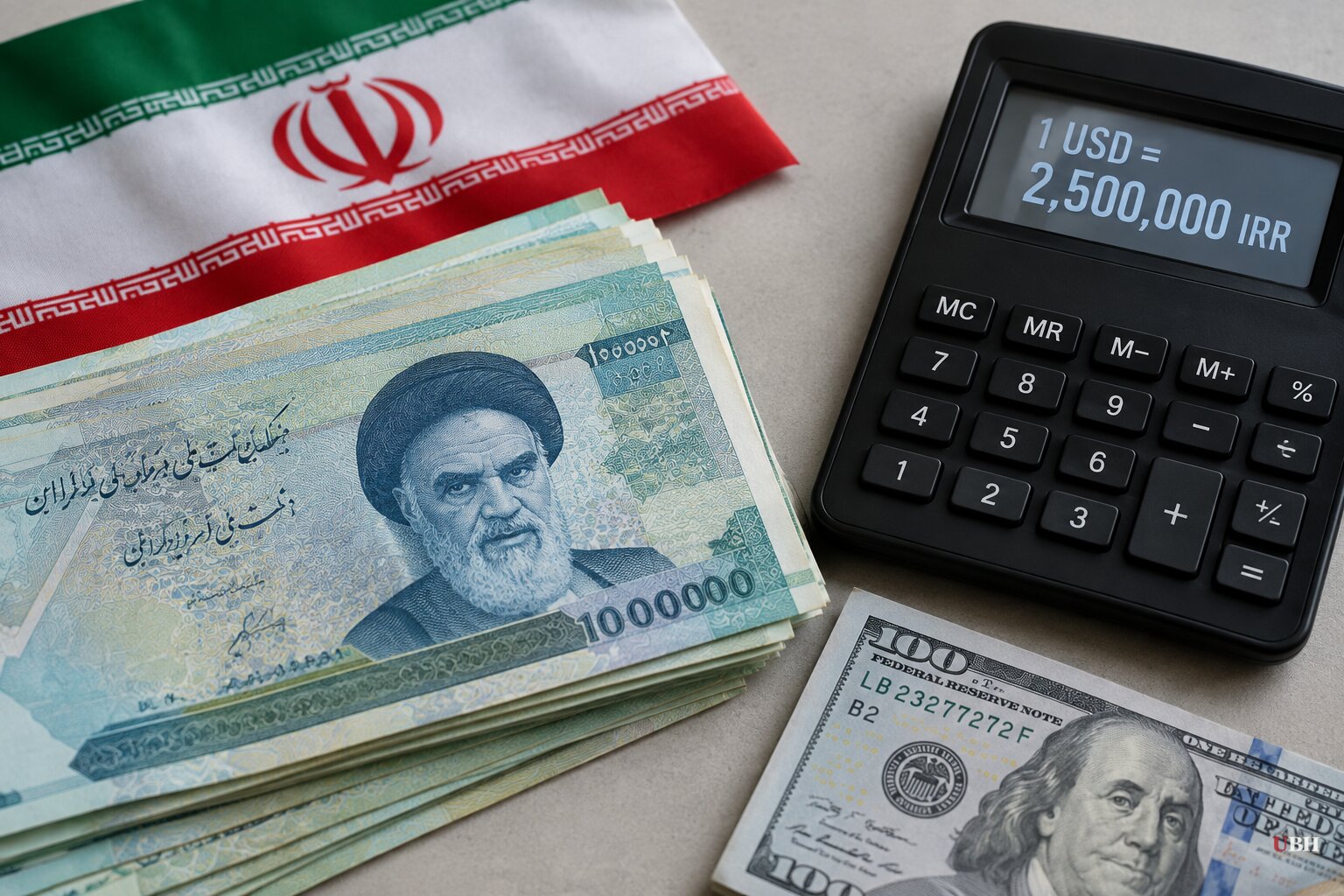
Since Iran's currency hit its previous record low of 2.2 million rials to the dollar on September 2, the rial has now blown through that mark and crossed 2.5 million as of Tuesday, September 29, according to the Associated Press. The currency has repeatedly reached new lows since the war began in February, and it's happening while indirect U.S.-Iran talks over the Strait of Hormuz grind on.
President Trump said Tuesday that Iran is "doing very poorly" and will ultimately "give up," telling reporters at the White House the U.S. pulled more oil out of the Strait of Hormuz over the prior couple of days "than at any point in history," according to the Economic Times. Trump made those remarks after a luncheon with technology executives where he signed a joint AI safety commitment, a separate story that happened to share his Tuesday schedule.
The Numbers Behind the Collapse
Treasury Secretary Scott Bessent says the rial traded around 800,000 to the dollar when the administration's maximum-pressure campaign began and now sits near 2.44 million, a number he's using to promote Operation Economic Outcast, the whole-of-government sanctions push Treasury launched August 24. "Operation Economic Outcast has caused the rial to hit record lows," Bessent wrote Monday. "We will continue to degrade the Iranian regime's ability to fund terrorism and develop a nuclear weapon."
Anadolu Agency put annual inflation in Iran at 61.4% and year-over-year food inflation at 128.1% as of Monday's reporting. Iranian oil exports have fallen to roughly 260,000 barrels per day from 1.7 million a year earlier, according to senior Iranian sources cited by MEAWW. Bessent said Sunday that about 15 million barrels of Iranian crude remained on the water bound for China and predicted Tehran could have "nothing left to trade for anything" within roughly two weeks. Treasury also sanctioned ten individuals and entities Tuesday tied to procurement for Iran's Ministry of Defense.
Secretary of State Marco Rubio framed the strategy bluntly on Fox News Monday: "You are preventing them from getting access to money that they will use to try and kill Americans and others around the world and their own people and build weapons and threaten the world and ultimately break out to a nuclear weapon program."
What the Currency Crash Means for Ordinary Iranians
CNN's reporting puts a human face on the numbers Bessent is citing as victory. A 35-year-old Tehran woman identified only as Sima visited seven pharmacies searching for kidney medication before finding it, then had to underdose it because the price had risen again. "They've stopped using cancer medication for people who they say are terminal or far along," Sima told CNN. "They only use it for those who are in the very early stages."
Shahram Kalantari, head of the Iranian Pharmacists Association, said last month that shortages affect nearly 800 medications, with pharmacies unable to procure alternatives due to rising costs, CNN reported. Iran now manufactures more than 97% of its medicines domestically, according to Mehdi Pirsalehi, head of the country's Food and Drug Organization, but imported specialty drugs paid for in foreign currency have become the hardest hit.
A currency collapse this severe squeezes people with cancer and kidney disease who had nothing to do with starting the fight. CNN's reporting shows that while sanctions are working as designed, ordinary Iranians absorb the cost first.
The Diplomatic Track Nobody's Resolved
Iranian Foreign Minister Abbas Araghchi told Iranian media Monday that indirect negotiations over reopening the Strait of Hormuz have become "more serious," with Qatari mediators expected to raise the matter again with U.S. officials before Tehran gets a final American response, according to the Associated Press. Trump has already rejected one Iranian proposal that would have reopened the strait within seven days in exchange for lifting the port blockade, releasing frozen Iranian assets and waiving oil sanctions.
Meanwhile Gen. Hossein Mohebbi, the Revolutionary Guard Corps' chief spokesman, called on Americans Tuesday to take to the streets and pressure Washington to end the war, a message PBS notes lands just weeks before the U.S. midterm elections. Brent crude climbed above $107 a barrel Monday after Trump's rejection of the Iranian proposal, according to MEAWW, a price move that keeps energy costs in the conversation even as Treasury insists non-Iranian oil is moving through the Gulf at roughly prewar volumes.
Bessent says the goal isn't just getting Tehran to sign something. "My job is to make sure that when they come with a deal, they want to stick to it," he said. "They will stick to it because they are on their knees." Whether that dynamic holds as a currency crisis collides with a humanitarian one is what mediators in Doha are attempting to resolve before Tehran decides anything.
Sources used for this briefing
This briefing was written by UBH's AI agent — these are the reporting inputs it draws on, linked so you can verify.


