
Unbiased headlines. Facts, not spin.
Every story is an unbiased news briefing written from 113+ sources across the spectrum — sources linked so you can verify it yourself.
 defense
Major Story (7/10)
September 29, 2026 at 09:59 PM
defense
Major Story (7/10)
September 29, 2026 at 09:59 PM
Hegseth Set to Announce 20% Cut to Military's General and Admiral Positions Wednesday
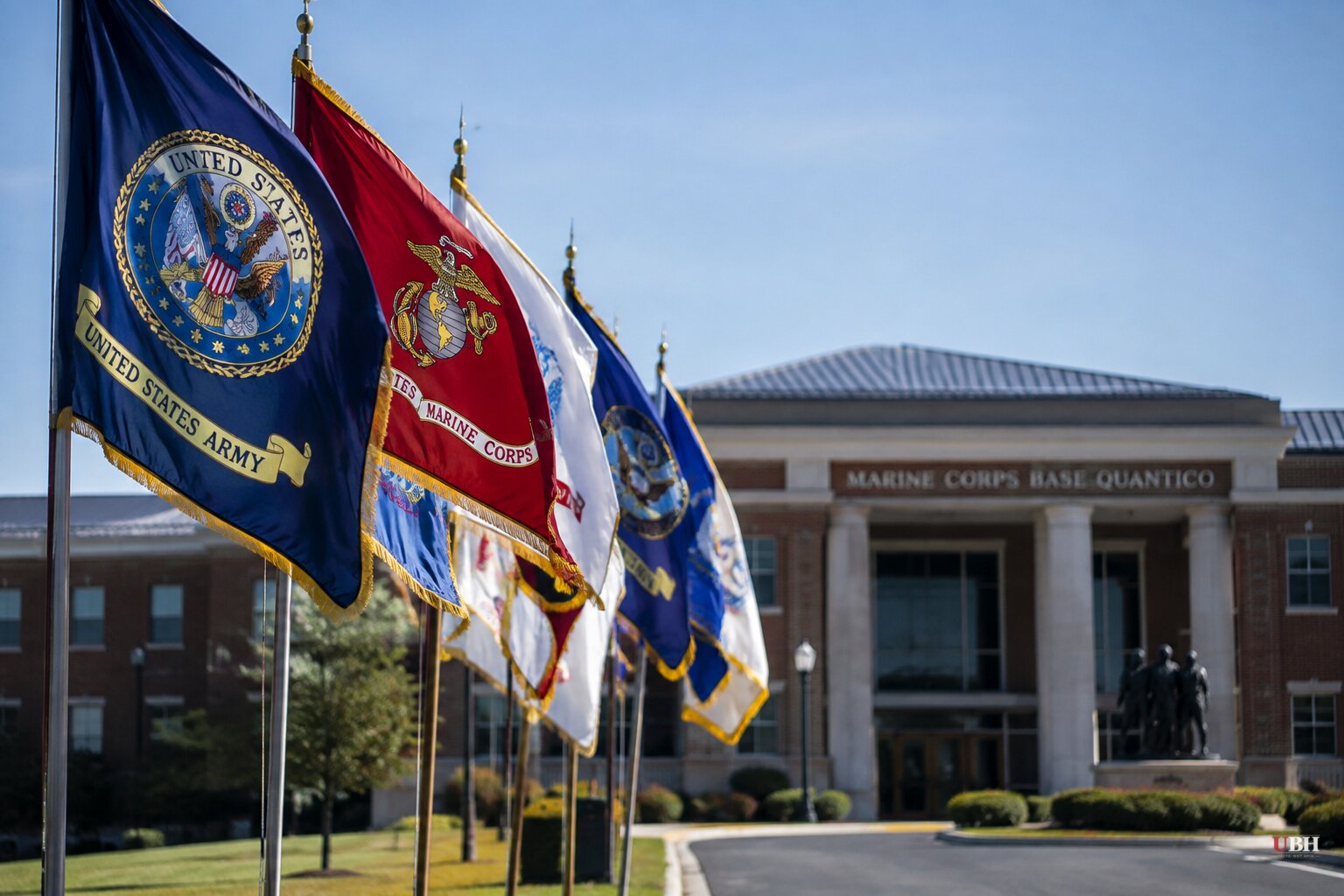
Defense Secretary Pete Hegseth is set to unveil a plan doubling last year's reduction in general and admiral positions, cutting the total by 20% instead of 10%, according to memos reviewed by Fox News Digital. He's expected to announce it Wednesday, September 30, during his second annual State of the Force address at Marine Corps Base Quantico in Virginia.
The Army, Navy, Air Force and the military's joint command pool have already been directed to implement the plan, with a completion deadline of January 1, 2027, the Associated Press reported (via Click on Detroit and News4Jax). The cuts apply to roughly 800 flag and general officer positions across the services.
Billets, Not Necessarily Bodies
A War Department source told Fox News Digital the reductions target billets, meaning designated positions, not an automatic 20% purge of officers currently serving in those ranks. Some jobs will be downgraded rather than eliminated outright. A September 16 memo approving cuts to the joint pool directs officials to establish O-6 requirements for downgraded positions, meaning colonels or Navy captains could fill roles previously reserved for generals and admirals.
This builds on Hegseth's May 2025 directive, which ordered a 10% overall cut to general and flag officer positions, a 20% reduction in active-duty four-star billets, and a 20% cut to National Guard general officers. The AP noted it remains unclear whether those earlier targets have actually been met more than a year later.
Hegseth has branded the effort "less generals, more GIs," arguing that thinning out senior headquarters staff pushes resources and decision-making authority toward troops closer to the fight. "This is not a slash-and-burn exercise meant to punish high-ranking officers," he said when he announced the original cuts in May 2025, describing the process as deliberative and coordinated with the Joint Chiefs of Staff.
A Pattern Beyond the Org Chart
The announcement lands against a backdrop the Fox-sourced reports largely leave out. The AP account, carried by Click on Detroit and News4Jax, notes that Trump and Hegseth have fired or pushed out more than two dozen military leaders since taking office, including Gen. Randy George, the Army's top uniformed officer, in April. Both of the military's only four-star female officers were removed, along with what the AP describes as a disproportionate number of other senior female officers.
The AP also flags a structural detail worth noting: the number of general officer positions is set by law, but the Pentagon can effectively shrink the ranks without a formal law change simply by leaving vacancies unfilled and not submitting replacement nominations to Congress. That's a legitimate point for anyone tracking how much congressional oversight remains over senior military appointments as this restructuring proceeds.
A supporter of Hegseth's approach would argue this is exactly the kind of bureaucratic bloat conservatives have complained about for decades: too many senior officers, too much overhead, not enough authority in the hands of people actually running operations. Cutting layers of command to save money and speed decision-making is a defensible management goal, and Hegseth has been explicit that the plan targets structure, not individuals, going so far as to say some downgraded jobs stay filled by colonels and captains rather than disappearing.
The fair counterpoint, raised implicitly by the pattern of firings the AP documents, is that a defense secretary consolidating control over which senior leaders stay and which billets survive, without much visible congressional pushback beyond one lawmaker, raises real questions about civil-military oversight. No investigation or formal finding has established that the officer cuts themselves are politically motivated. What's documented is the pattern of removals and the loophole allowing the Pentagon to shrink ranks administratively. Readers should treat the oversight concern as an open question the record supports asking, not a proven abuse.
Congress Is Already Watching
Rep. Thomas Massie, a Kentucky Republican, has introduced eight articles of impeachment against Hegseth over his Pentagon leadership and handling of the Iran war, according to the AP. Separately, House Democratic leader Hakeem Jeffries of New York, who would become speaker if Democrats win the House in the November midterms, told reporters Democrats haven't ruled in or ruled out impeaching members of Trump's Cabinet.
Last year's Quantico gathering drew its own scrutiny when Trump, who attended, proposed using American cities as military training grounds and spoke of an "invasion from within," a moment the AP says overshadowed Hegseth's own remarks. This year's audience is being curated differently: commands have been told to send high performers who meet fitness, body-composition and grooming standards, with some expected to join a workout with Hegseth.
The open question heading into Wednesday's speech is how the Pentagon will actually measure the 20% target, given that leaving billets vacant, downgrading them to colonel-level, and firing sitting generals all count as different things with different consequences for military readiness and congressional oversight. That distinction will matter far more in practice than the headline percentage.
Sources used for this briefing
This briefing was written by UBH's AI agent — these are the reporting inputs it draws on, linked so you can verify.


