
Unbiased headlines. Facts, not spin.
Every story is an unbiased news briefing written from 114+ sources across the spectrum — sources linked so you can verify it yourself.
 energy
Major Story (8/10)
August 22, 2026 at 03:24 AM
energy
Major Story (8/10)
August 22, 2026 at 03:24 AM
Iran's Floating Oil Storage Falls to 80 Million Barrels as US Blockade Chokes Off Sales to China
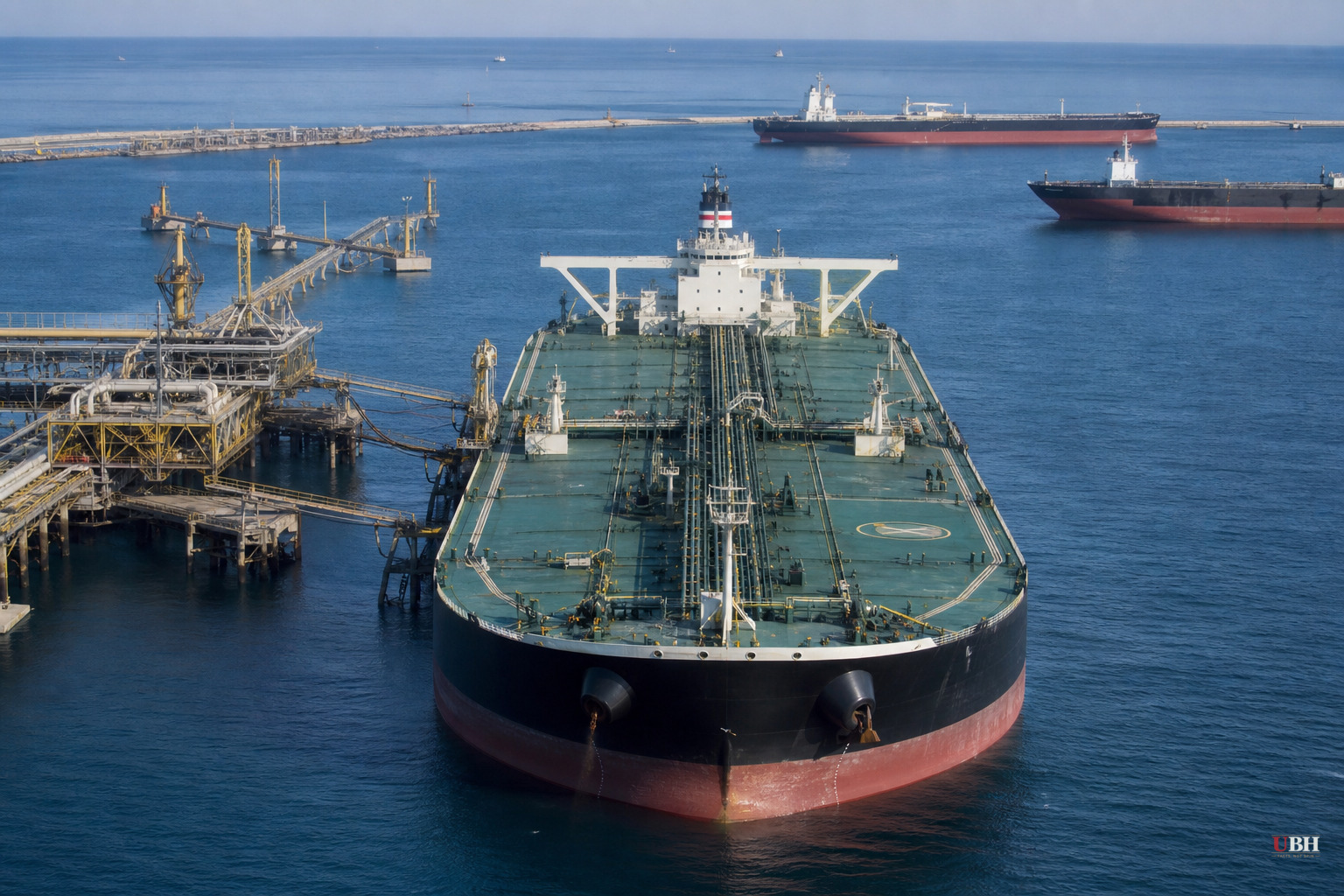
Since the U.S. Navy reimposed its blockade of Iranian ports and shipping on July 13, Iran's stockpile of oil sitting in floating storage has fallen from roughly 105 million barrels to about 80 million, according to ship-tracking firm Kpler, cited by Reuters and Yahoo Finance. Two trade sources told Reuters that only around 30 million barrels remain in Asian waters, about half of normal levels.
Iranian Light crude, which was selling at a discount of about $3 a barrel earlier this week, has flipped to a premium of roughly $2 a barrel over ICE Brent futures, according to three trade sources cited by Reuters. Discounted oil means nobody wants it badly. A premium means buyers are scared they will not get any more.
The squeeze is hitting China's so-called teapot refiners hardest. These are the small, independent refineries concentrated in Shandong province that make up about one-fifth of China's refining capacity and have long been the top buyers of sanctioned Iranian crude, according to Reuters. They built entire business models around cheap, discounted Iranian barrels. That model is breaking.
Kpler senior analyst Muyu Xu wrote in a Friday LinkedIn post, cited by both Reuters and Breitbart, that buyers "could face virtually no new Iranian supplies available for late-September delivery onwards since no laden Iranian tankers have so far managed to break through the U.S. blockade." No supertanker carrying Iranian crude has been tracked crossing the Strait of Hormuz since mid-July, though Kpler and multiple outlets note that many vessels switch off their transponders and "run dark," making them hard to track with certainty.
Washington Turns Up the Pressure
Treasury Secretary Scott Bessent said the administration is preparing another round of sanctions targeting Chinese buyers of Iranian oil, according to the Epoch Times. Bessent declined to detail specific plans when asked whether Washington would sanction China directly, saying discussions with Beijing are better held privately, and he pointed to China's own reliance on Persian Gulf energy supplies as leverage.
The Treasury Department's Office of Foreign Assets Control said in an April 28 advisory that China buys about 90 percent of Iran's oil exports, with independent refiners accounting for most of that. OFAC has already sanctioned five Chinese independent refineries, including Hengli Petrochemical's Dalian refinery, designated on April 24 as one of Iran's largest customers for crude and petroleum products.
President Trump warned this week that any country providing "any type of lifeline to Iran" would face "tremendous economic consequences," according to Breitbart. China's Foreign Ministry spokesman Lin Jian responded at a Friday press conference that "sanctions and pressure tactics are not the solution" to the Iran crisis.
China's Real Cushion Is Its Own Stockpile
Reported by Middle East Eye, China has largely avoided the worst of this squeeze not by finding workarounds but by drawing down its own strategic reserves, which analysts estimate at more than 1.2 billion barrels, built up over two decades and accelerated since 2022. Beijing has cut seaborne crude imports by more than 3 million barrels per day since the war began, restricted exports of diesel, gasoline and jet fuel, and scaled back refinery runs to cover only essential domestic demand.
Commodity trader Jack Prandelli told Middle East Eye that Beijing's approach amounts to "preserving a high cushion," using its reserve as "a buffer instead of chasing barrels in a disrupted Gulf market." China posted a small crude surplus of 210,000 barrels per day in July, which Prandelli said "looks more like a pause in an extended destocking cycle than a decisive pivot to aggressive restocking."
NPR's interview with Wall Street Journal reporter Austin Ramzy, describing conditions from earlier in the summer, put China's Iranian oil imports at roughly half a million barrels per day in July, using ghost-fleet tankers, ship-to-ship transfers near Malaysia, and renminbi or barter payments to dodge the dollar system and sanctions exposure. The Epoch Times, citing more recent Kpler estimates, put China's July intake at about 823,000 barrels per day, dropping to roughly 534,000 for August so far. Both accounts agree on the trend, a steep decline from the roughly 1.4 to 1.7 million barrels per day China imported before the war, but the exact figures differ depending on the tracking window and methodology. Dark fleet shipments are inherently difficult to measure precisely.
China's customs agency has not reported any crude oil imports from Iran since 2022, despite being Iran's largest customer by far. Columbia University energy scholar Erica Downs noted in a January analysis that China reported importing 1.3 million barrels per day of "Malaysian" crude in 2025, more than twice Malaysia's actual production, a strong indicator that relabeled Iranian oil is flowing through disguised as something else.
The New York Times reported, according to Breitbart's account of that reporting, that Beijing is weighing retaliatory options against Washington's blockade, including a possible cut to America's access to critical minerals China controls. No such action has been announced or confirmed by Chinese officials. Whether Beijing follows through, and whether Bessent's promised new sanctions actually name Chinese entities, are the two open questions hanging over the oil market heading into September.
Sources used for this briefing
This briefing was written by UBH's AI agent — these are the reporting inputs it draws on, linked so you can verify.


