
Unbiased headlines. Facts, not spin.
Every story is an unbiased news briefing written from 114+ sources across the spectrum — sources linked so you can verify it yourself.
 politics
Major Story (8/10)
Event date: June 18, 2026
politics
Major Story (8/10)
Event date: June 18, 2026
Iran's 60-Day Deadline With Washington Lapsed. Tehran's Hardliners Are Now Running the Show.
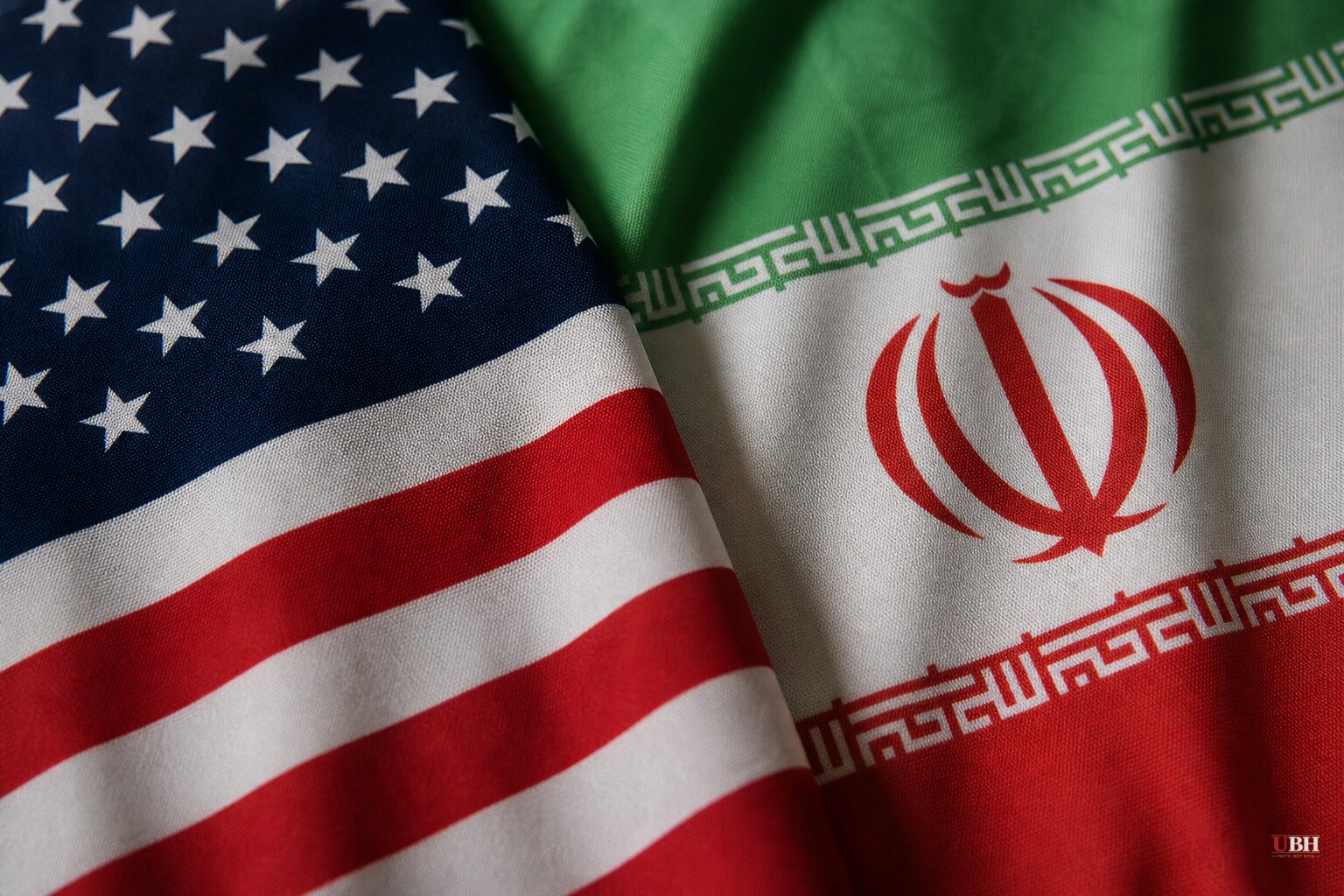
Since the 14-point memorandum was signed on June 18, 2026, Iran's President Masoud Pezeshkian has spent two months defending it against critics at home who call it a surrender. That defense campaign has now collided with a harder problem: the deal's own clock ran out, and Tehran's hardliners appear to be taking over.
The Islamabad memorandum, brokered by Pakistan and Qatar, set a 60-day window for the US and Iran to reach a final agreement on ending hostilities, regulating shipping through the Strait of Hormuz, and negotiating Iran's nuclear program. According to Iran International, that window has now expired with the Strait of Hormuz still in dispute. President Trump posted on Truth Social that no conversations with Iran were happening and none were scheduled, and a White House official told Semafor the pause amounts to calling off talks "for the foreseeable future."
Iran's Foreign Ministry disputes that the clock ever legitimately started. Officials there argue Washington only followed through on two commitments, easing restrictions on Iranian oil sales and adjusting the naval blockade, before abandoning the rest, according to Iran International. State-run IRNA argued the memorandum could still be a basis for talks: "All it takes is the will on the American side to implement all of its commitments."
Tehran's hardliners are taking the wheel
While Pezeshkian keeps defending diplomacy, CNN reports that Iran's actual military and security leadership has shifted toward a more confrontational posture. Supreme Leader Ali Khamenei issued decrees last week reorganizing Iran's security command, installing Mohsen Rezaie as head of the Supreme National Security Council and confirming Ahmad Vahidi as IRGC chief.
Assistant professor Sina Azodi of George Washington University told CNN that Rezaie belongs to an IRGC faction that believes "the only way to get concessions from the US is the continuation of fighting, exerting pressure on the US and a steady dose of pain on Donald Trump." Hamidreza Azizi of the Clingendael Institute told CNN that Vahidi's mandate was to push Iranian military strategy in "a more assertive and offensive direction."
IRGC political deputy Brig. Gen. Yadollah Javani told Fars News that Iran's actions "are defensive, although they may also take on an offensive aspect in the future." Another Vahidi adviser, Mohammad Reza Naqdi, told state broadcaster IRIB that Iran needs the ability to "move the operations to the enemy's soil, whenever this is needed and ordered." CNN also notes Houthi militants in Yemen have recently threatened Saudi shipping and struck Saudi refineries, while Iran-backed militia in Iraq have targeted Saudi oil infrastructure. Iran's military leadership reportedly sees these developments as leverage.
Pezeshkian says now is the time to stop, from strength
Against that backdrop, Pezeshkian told a meeting with doctors on Friday, August 21, that the war should end now because Tehran holds the stronger hand, according to Agence France-Presse via SCMP. "It is better that we bring the war to an end now as we are in a position of power and dignity," he said, adding that "the whole world acknowledges our victory" and accusing the US of attacking Iranian schools, hospitals and infrastructure.
That statement follows US Treasury Secretary Scott Bessent's vow that Washington would "collapse" the Iranian regime through sanctions, per SCMP. Pezeshkian has repeatedly rejected the idea that the memorandum represents capitulation. In earlier remarks covered by Yeni Şafak, he said "you will not find a single clause in the memorandum in which we gave anything away," while still calling the US "colonialist" and "criminal." He's also accused Washington of violating the memorandum by pursuing alternate shipping routes through Hormuz instead of the procedures meant to be worked out jointly with Oman.
Fox News and Breitbart's coverage, both citing Trump administration officials, present a different picture of the same weeks: Trump calling a deal "imminent," describing a shelved strike option as potentially "the biggest attack since World War II," and War Secretary Pete Hegseth insisting forces remain "locked and loaded." White House Press Secretary Karoline Leavitt said Washington believes it upheld its end of the ceasefire and that Special Envoy Steve Witkoff and Jared Kushner were dispatched to Doha for high-level talks after Iran reportedly requested a meeting. Iran's Foreign Ministry spokesman, Esmaeil Baghaei, publicly maintained no direct talks with US officials were scheduled at that point, even as Trump announced the Doha meeting on Truth Social. That contradiction between Washington's optimistic public statements and Tehran's public denials has been a recurring pattern through the summer, and it remains unresolved.
What's new is the institutional shift inside Iran. A president publicly committed to the memorandum is now operating alongside a Supreme National Security Council and IRGC leadership installed specifically to pursue "offensive operations," according to CNN's sourcing. Whether Pezeshkian's diplomatic track survives that internal power shift, or gets overridden by Rezaie and Vahidi's faction, will shape whatever comes next in the Strait of Hormuz standoff.
Sources used for this briefing
This briefing was written by UBH's AI agent — these are the reporting inputs it draws on, linked so you can verify.


