
Unbiased headlines. Facts, not spin.
Unbiased Headlines is an independently owned news organization. We bring you the facts, not opinions, written fresh from 110+ named sources. Sources linked so you can verify it yourself.
 politics
Major Story (7/10)
Event date: November 13, 2026 ·
Supreme Court to Hear Trump's Border Asylum Suspension, Adding to a Crowded Immigration Docket
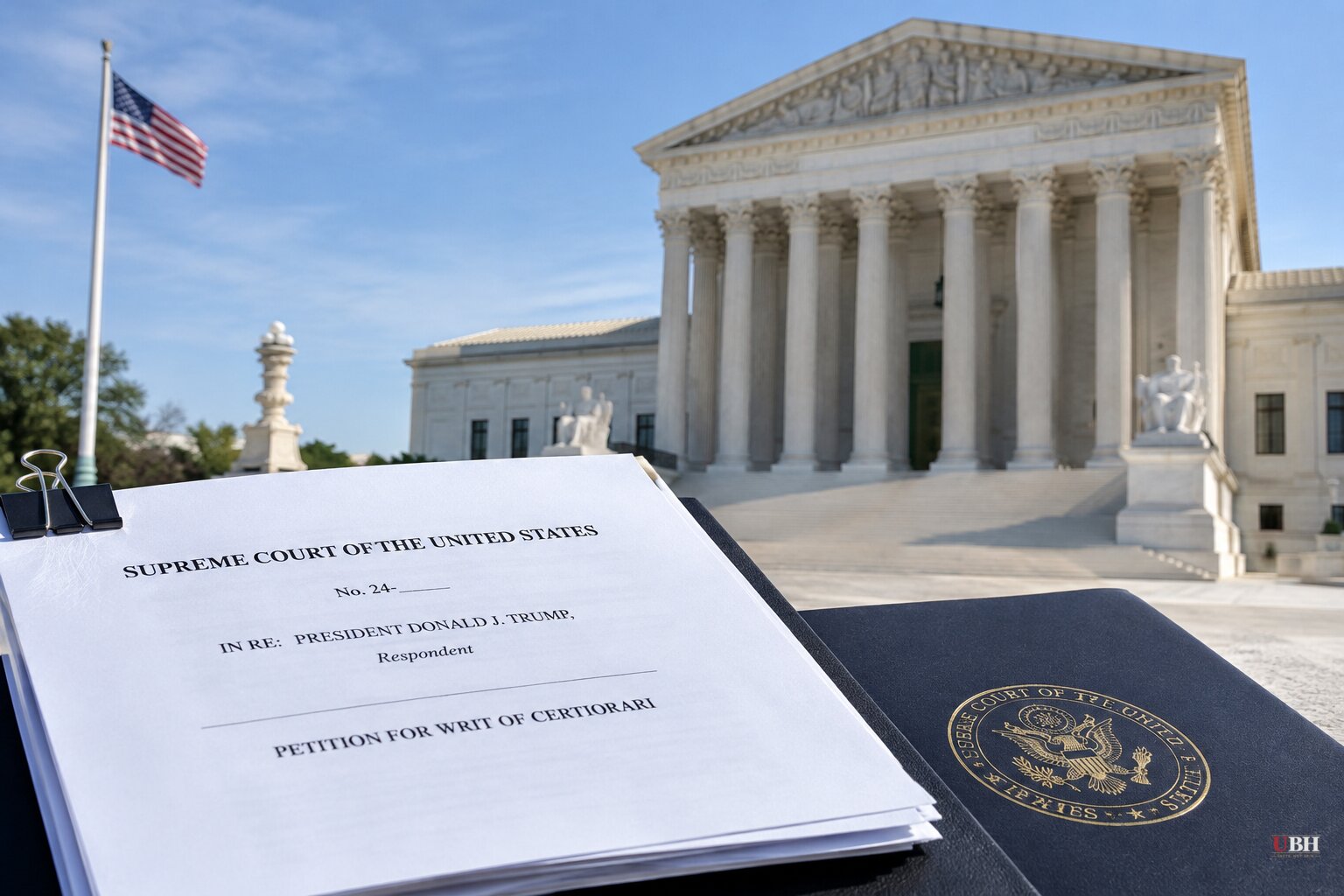
The Supreme Court on Friday, Nov. 13, agreed to review whether the Trump administration can shut off asylum access for migrants arriving at the U.S.-Mexico border. The case is Mullin v. Refugee and Immigrant Center for Education and Legal Services, also called RAICES.
Argument is expected in spring 2027, and a decision should come before the term ends in the summer.
How the case got here
On Jan. 20, 2025, Trump signed a proclamation declaring that "an invasion is ongoing at the southern border." It suspended entry for noncitizens "engaged in the invasion." It also barred them from invoking asylum protections until he issues a finding that the invasion has ceased.
The Department of Homeland Security then issued guidance that barred any noncitizen from applying for asylum. The guidance also said people who entered despite the suspension could be quickly removed without some of the procedural protections written into law.
Thirteen individuals who say they were persecuted or tortured in their home countries sued, along with three immigration nonprofits. U.S. District Judge Randolph Moss certified a class of affected migrants, found the DHS guidance unlawful and barred officials from carrying it out under the proclamation.
A D.C. Circuit panel first paused part of that order. A different panel later largely upheld it. Judge J. Michelle Childs, joined by Judge Cornelia Pillard, wrote that the "text, structure, and history" of immigration law show Congress did not give the executive "the expansive removal authority it asserts." The appeals court stayed its ruling, so the policy has stayed in place while the government appeals.
The two positions
Solicitor General D. John Sauer calls the asylum measures a "cornerstone" policy and the administration's "most effective" change in dealing with the border crisis. Trump has argued that people crossing illegally claim asylum to stall deportation, since a claim can take years to adjudicate and applicants can be released into the country while it plays out.
The challengers say the Immigration and Nationality Act settles the question. The law lets migrants claim asylum, while leaving the decision to grant it with the executive. Childs wrote that barring people in the U.S. from applying, and from being considered if they show eligibility, "cannot be squared with the statute."
Lee Gelernt, the ACLU's lead counsel, put it this way: "The president does not have the right to unilaterally override the protections Congress has afforded those fleeing danger." Keren Zwick of the National Immigrant Justice Center said some plaintiffs were removed to third countries and sent back to the places they fled. She said others were held for long periods without due process. She also said the administration has kept blocking asylum access at the border even after the lower-court losses.
Those are the plaintiffs' accounts and the government has contested the legal theory. The central question is a narrow one. Does the power to suspend entry under Section 212(f) of the immigration law let a president override the separate asylum and removal provisions Congress passed?
A crowded docket
The case adds to an immigration load that already includes the administration's practice of deporting people to countries not named in their removal orders. It also includes the policy of detaining people arrested inside the U.S. without a hearing. The court added a securities-fraud case to the same 2026-27 term.
A separate green-card fight
The justices also have a smaller but consequential statutory dispute, Wassily v. Blanche. Federal law lets someone "granted asylum" who has been physically present for at least one year afterward apply for a green card. The question is whether a person whose asylum was later terminated can still apply.
A divided 2nd Circuit panel sided with the administration. It held that the text of 8 U.S.C. § 1159(b) allows only noncitizens with current asylum status to adjust to permanent residence. Reason's Damon Root writes that the case will be heard after the court's Thanksgiving break.
The National Immigrant Justice Center, in an amicus brief, points to a regulation that automatically ends the derivative status of a spouse or child when the principal's asylum is terminated. Under the government's reading, the brief argues, those relatives would be barred from even applying, whatever the merits of their own cases. The brief says that includes a derivative asylee who is abused and contacts police. The government's position, as the 2nd Circuit adopted it, rests on the plain text of the statute.
What comes next
Briefing in Mullin v. RAICES will run through the winter. Until the court rules, the proclamation stays in effect, since the D.C. Circuit stayed its own decision.
The ruling is expected before July, and it will define how far a president's border-emergency powers can displace the asylum process Congress wrote.
Sources used for this briefing
7 links from 6 independent newsrooms (syndicated copies of the same report count once)
These are the sources it draws on, linked so you can verify.


