
Unbiased headlines. Facts, not spin.
Unbiased Headlines is an independently owned news organization. We bring you the facts, not opinions, written fresh from 110+ named sources. Sources linked so you can verify it yourself.
 defense
Major Story (8/10)
Event date: October 31, 2026 ·
Iranian Strikes Damaged 26 US Sites in Mideast, Radars Hit First, AP Analysis Finds
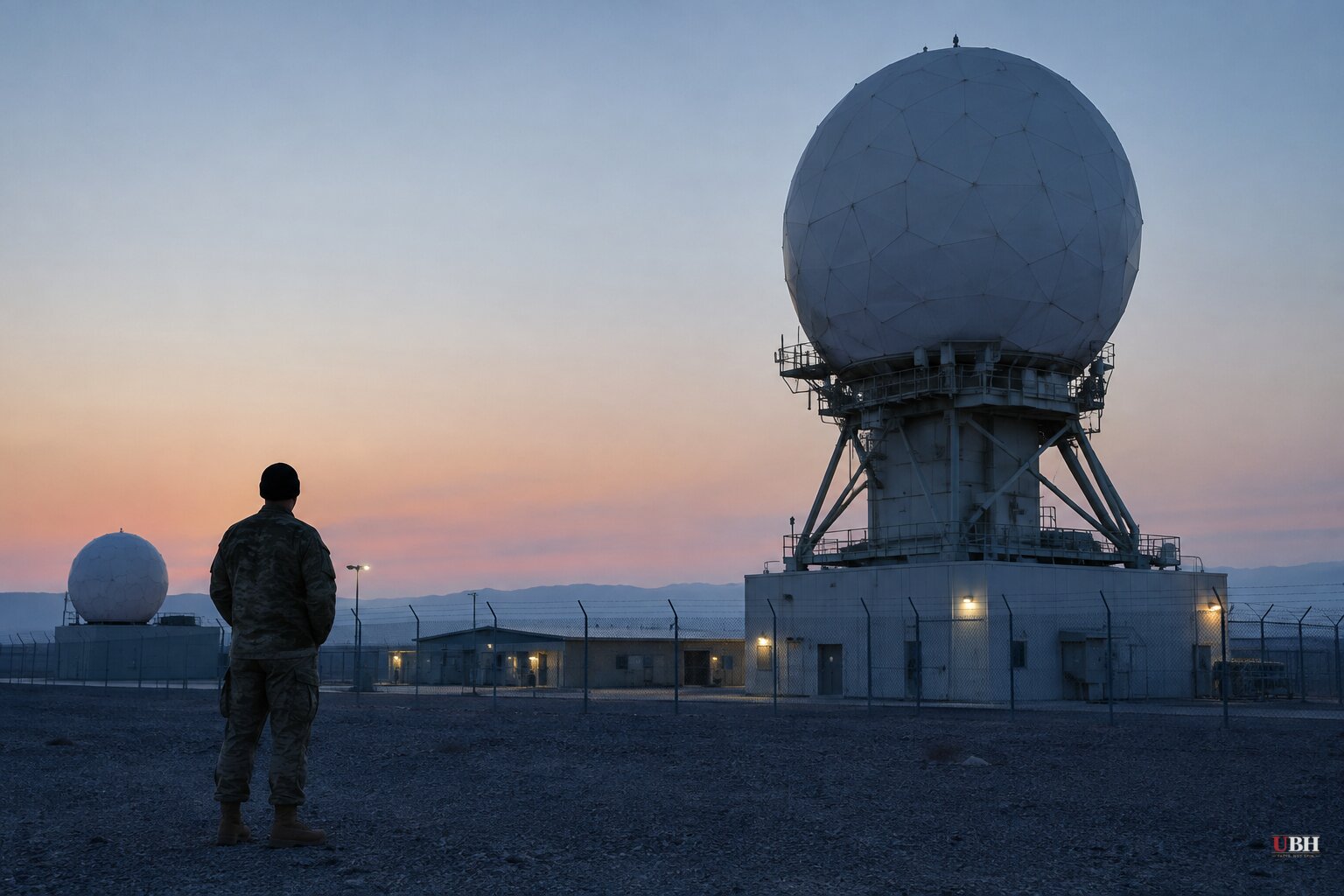
Eight months into the US-Iran war, with Iranian negotiators in Qatar for talks and President Trump hinting at fresh strikes after Tuesday's midterm elections, a new Associated Press analysis shows how much damage Iran has done to American bases in the region.
The AP verified damage using satellite imagery from multiple providers and interviewed four regional officials who were briefed on the attacks or had direct knowledge of the sites. Through August, more than 115 drone or missile strikes, claimed by Iran or Iranian-backed militias, damaged or destroyed structures at 26 military bases and other sites holding US equipment. The AP puts the equipment damage in the billions of dollars.
Most of the attacks hit Kuwait. US sites in Bahrain, Iraq, Jordan, Oman, Qatar, Saudi Arabia and the United Arab Emirates were also struck.
Radars first, then everything else
Iran went after the systems that see incoming fire before it went after much else. Within the first two days of the war, it destroyed protective enclosures for US radar systems at Camp Arifjan in Kuwait and Naval Support Activity Bahrain. It also hit portable radars at Prince Sultan Air Base in Saudi Arabia and Muwaffaq Salti Air Base in Jordan.
N.R. Jenzen-Jones, director of the technical intelligence firm Armament Research Services, said Iran prioritized striking the backbone of the US air defense system. In his assessment, hitting such sites was likely "intended to disrupt and degrade the U.S. and allies' ability to respond to further strikes."
The replacement problem is serious. A radar in Jordan was hit and said to be destroyed. It was one of only 13 held by the US Army worldwide, according to manufacturer Raytheon. Budget documents show each costs about half a billion dollars. Another radar in Qatar was damaged significantly, though it is unclear whether it was destroyed.
After the radars, Iran launched more than 50 successful strikes on 18 locations with US military equipment in the first month of the war. Targets included aircraft, refueling tankers, communications systems, fuel bunkers and troop accommodations. At Prince Sultan, a March strike damaged the rear of a Boeing E-3 Sentry surveillance plane. Regional officials also said a strike hit a CIA unit at the US Embassy in Riyadh.
From April 1 to June 30 alone, hundreds of buildings and other structures at US bases were damaged or destroyed.
Kuwait took the worst of it
The deadliest known strike on US troops in the war was in Kuwait, where six soldiers were killed in a drone attack at Port Shuaiba on March 1. Ali Al Salem Air Base was struck at least 30 times, damaging or destroying at least 15 aircraft hangars, numerous warehouses and 10 buildings near a residential area. Camp Buehring's hangars were mostly made inoperable; its gym was destroyed in March, and a store for troops was hit in late July.
A smaller footprint in the Gulf
Two regional officials told the AP that the US has moved many assets out of the Persian Gulf. One of them listed aircraft, air defense systems, communications systems and other equipment crucial to base operations.
The Pentagon pushes back on the picture of vulnerability. Spokesman Sean Parnell told the AP that US "forces and bases are well protected and America's military is stronger than ever." He added that service members in CENTCOM "have everything they need to continue their historic success ensuring Iran never obtains a nuclear weapon."
U.S. Central Command declined to comment on damage to bases or equipment, as it usually does, citing operational security. The AP notes that the administration and military have provided few details on the toll of the war and have put in place measures that impede outside review, including delays in the release of satellite images. That leaves independent analyses like this one, along with reviews such as the Pentagon inspector general's, as the main public accounting.
Diplomacy and threats on the eve of the midterms
The damage assessment arrives amid another round of mediation. Iran's foreign minister, Abbas Araghchi, said on Saturday that Iranian negotiators were in Qatar discussing a proposal that could reopen the Strait of Hormuz within two days if the US meets several conditions. He said no direct talks are being held with Washington. In a Telegram interview, he said the outcome depends on US answers to the "Iranian questions" and on Washington's "rationality."
Trump has previously hinted at resuming attacks after the November 3 vote. Iranian army spokesman Mohammad Akraminia said on state television that a future war "could last longer than previous conflict" and that the American president "would not be in a position to dictate the timing or the conditions of its conclusion."
UAE presidential adviser Anwar Gargash, speaking at a conference in Manama on Sunday, said the region is hoping for a diplomatic breakthrough but is "braced for the worst."
The Gulf remains tense in other ways. Qatar's state news agency said a Qatari liquefied natural gas carrier, the Al Mayeda, was struck by "unidentified objects" on Friday evening. No crew were hurt, and the ship was reported to be in safe, operational condition.
What comes next
The AP says renewed fighting would threaten more costly damage to bases and deepen the uncertainty over whether the US will rebuild its Gulf facilities and equipment once the war ends. The first test comes after Tuesday's vote, when Trump decides whether to act on his talk of new strikes.
Sources used for this briefing
7 links from 6 independent newsrooms (syndicated copies of the same report count once)
These are the sources it draws on, linked so you can verify.


