
Unbiased headlines. Facts, not spin.
Unbiased Headlines is an independently owned news organization. We bring you the facts, not opinions, written fresh from 110+ named sources. Sources linked so you can verify it yourself.
 defense
Major Story (8/10)
Iran's Rezaei Says Tone of Vance Letter 'Changed Completely,' but Tehran Has Not Replied and Hormuz Stays Closed
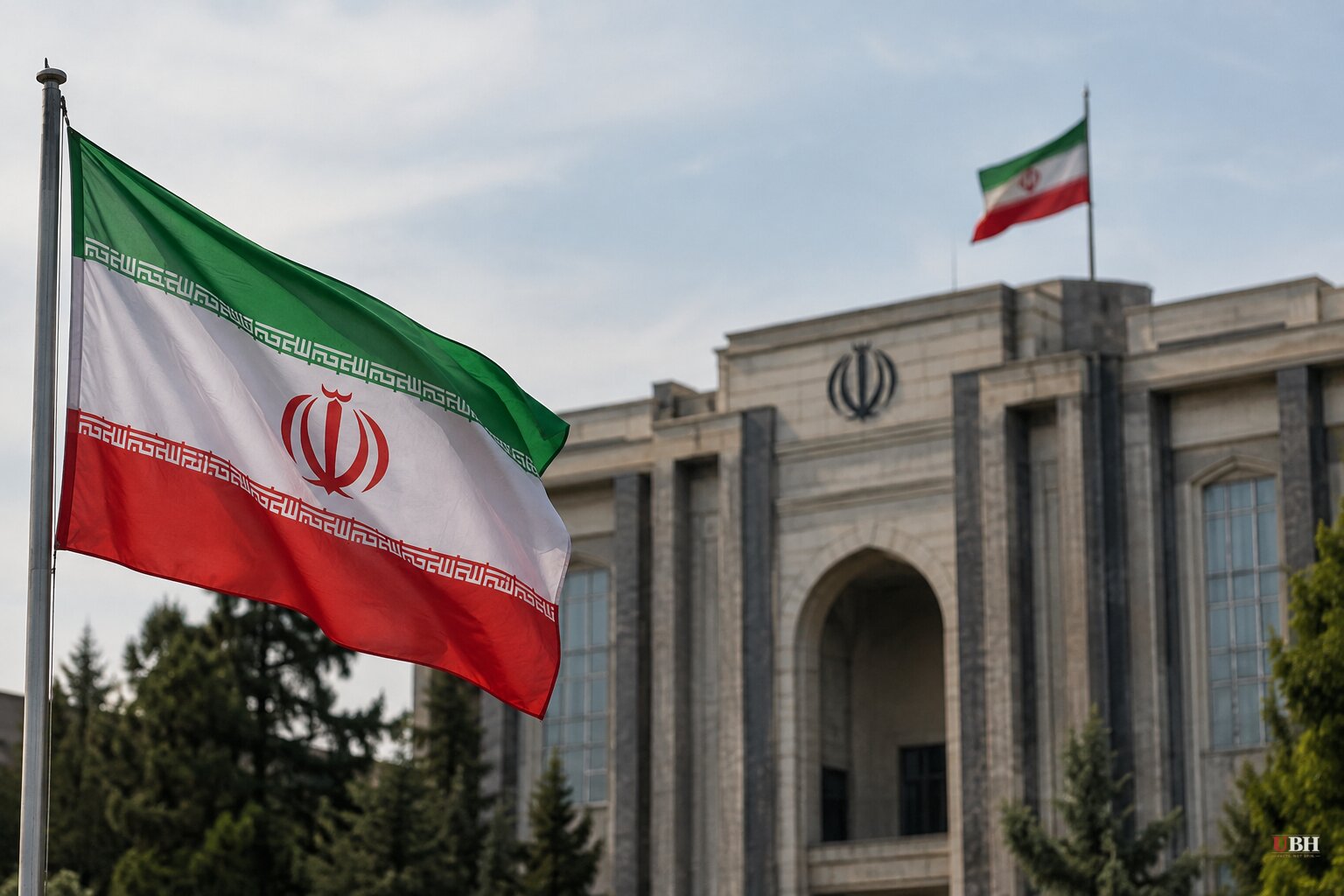
Since the war began with U.S. and Israeli strikes on Feb. 28, Tehran and Washington have moved between threats and mediated contact, and the latest turn came Saturday, Oct. 31, when Iran's top security official described a shift in American tone.
Mohsen Rezaei, Secretary of Iran's Supreme National Security Council, told state broadcaster IRIB that he had not yet answered a letter from Vance. "Their tone has completely changed, which is a very good sign that the Iranian nation has consolidated its victory and authority," he said.
Rezaei would not disclose what the letter says. He credited the change in tone to Iranian strength.
Seven conditions still stand
The warmer language came with no softening on terms. "Until Iran's seven conditions are met, there will neither be negotiations nor will the Strait of Hormuz be opened," Rezaei said.
Those conditions trace to the proposal Foreign Minister Abbas Araghchi put to Washington at the UN General Assembly in late September. Under it, Iran would reopen the strait within seven days if the U.S. lifts its naval blockade of Iranian ports, ends hostilities across the region and releases frozen Iranian funds. Other elements reportedly include waiving sanctions on Iranian oil sales. The U.S. rejected that offer.
Rezaei also said the seven conditions are "completely different from the Islamabad framework," an earlier negotiating track.
Araghchi, in an interview with Al Jazeera, said Iran had examined the Vance letter in high-level meetings. He called Washington's attempt "to open the door to dialogue and understanding more broadly" a positive step.
He also said Iran does not plan to meet U.S. officials for now. Whether any talks would be direct or indirect, he said, will be decided "once Washington agrees to Iran's conditions."
The opposing demand
The two sides still want opposite things first. Iran says the U.S. must lift its blockade of Iranian ports before peace talks can start. Washington wants Iran to make concessions on its nuclear program.
Nothing in Saturday's statements bridges that gap. Iran's list is a precondition for talks, and the American ask is about the nuclear file.
Nuclear doctrine on the table
Rezaei said no decision has been made to change Iran's nuclear doctrine. He added there is internal discussion about whether to keep the previous doctrine if war breaks out again, particularly after the strikes on Iranian nuclear sites. "No new official or state decision has been made yet," he said.
He made the remarks while noting that Iran has continued to cooperate with International Atomic Energy Agency inspections.
Threats continue alongside diplomacy
Supreme Leader Mojtaba Khamenei, who took over after the opening strikes killed his father and other senior officials, told military commanders Saturday that "any kind and level of threat" from the U.S. or Israel should draw an immediate response "without geographic limitations," according to Iranian state media. He ordered commanders to update the list of potential American and Israeli targets, physical and nonphysical.
Armed forces chief of staff Gen. Abdolrahim Abdollahi said the military was preparing a new target list across a broader area.
That rhetoric landed while Qatari and Pakistani mediators pressed for a deal. Qatari negotiators held more than 12 hours of talks with Iranian officials in Tehran on Friday, according to Axios. Araghchi separately said a new proposal reached with mediators would cut the time needed to fully reopen Hormuz to two days.
Reports have also said President Donald Trump is weighing renewed military action after Tuesday's midterm elections.
Regional pressure to avoid round two
Gulf and Arab diplomats are openly worried. Saudi Arabia's vice minister of foreign affairs, Waleed ElKhereiji, told a security forum in Bahrain that the region wants a return to peace and that efforts are under way to prevent escalation.
Egyptian Foreign Minister Badr Abdelatty told the same event: "We are very confident that the second round will be more dangerous, more destructive, and it will lead to nowhere."
What happens next
Iranian officials say the tone has improved. They have not said the substance has. Tehran has not given a date for its reply to Vance, and Rezaei's seven-condition line leaves little room for a quick yes.
The open question is whether Washington's next move, after the Nov. 3 vote, is an answer to the letter or an order to strike. No one has said which.
No agreement exists, and the Strait of Hormuz remains closed.
Sources used for this briefing
7 links from 7 independent newsrooms (syndicated copies of the same report count once)
These are the sources it draws on, linked so you can verify.


