
Unbiased headlines. Facts, not spin.
Unbiased Headlines is an independently owned news organization. We bring you the facts, not opinions, written fresh from 110+ named sources. Sources linked so you can verify it yourself.
 defense
Breaking / Critical (9/10)
Iran Sends U.S. Seven-Point Proposal Through Qatar, Says Talks Hinge on Washington Meeting Its Demands
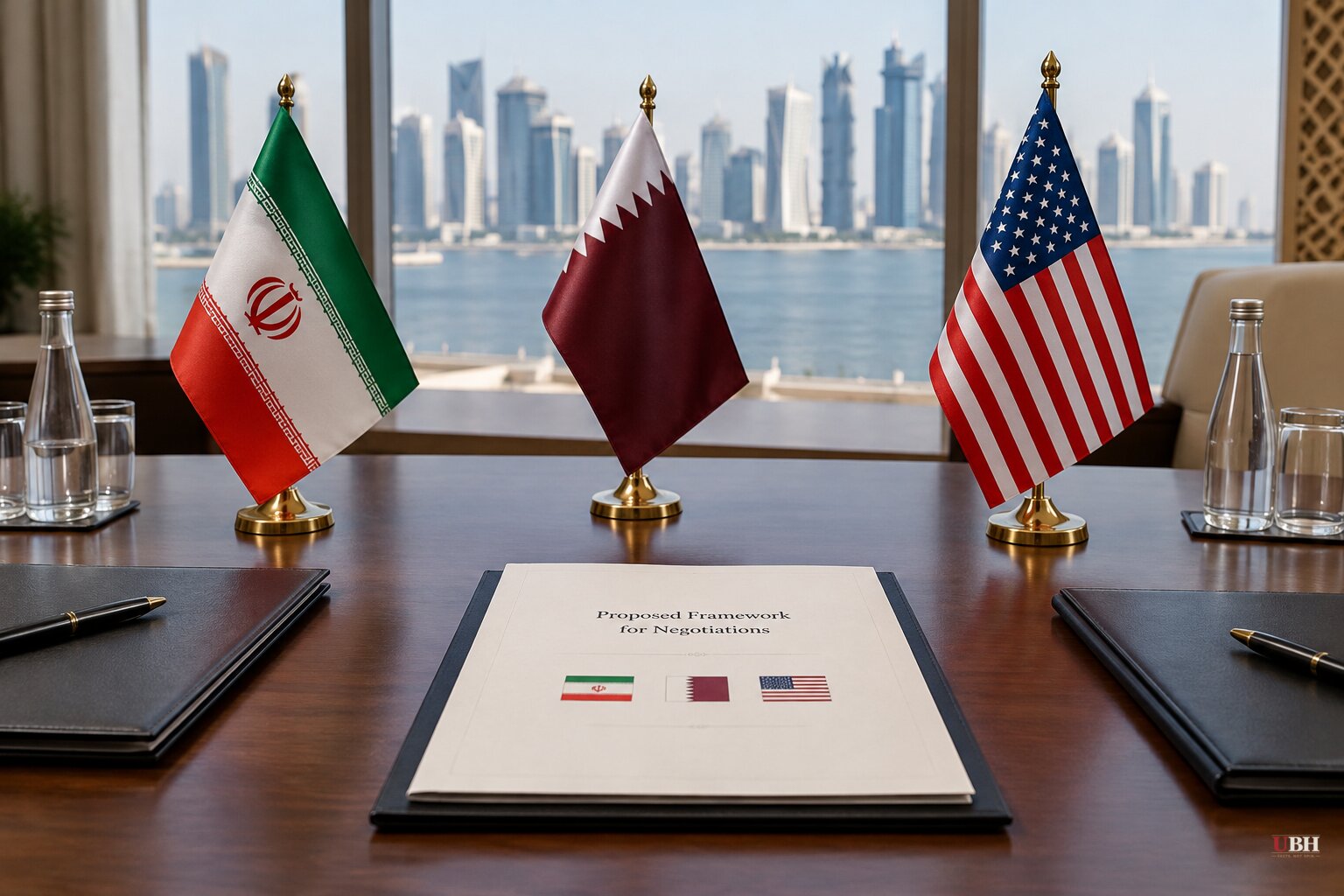
Iran delivered a formal proposal to the United States through Qatari intermediaries today, Nov. 5, and says it will discuss it only after Washington meets seven demands. A senior Iranian official told Reuters that Washington has received the document and is reviewing it.
The delivery came the same day the New York Times reported, citing five officials including one American and two Iranians, that Iran is weighing "concrete proposals" from mediators on the future of its nuclear program. The officials spoke anonymously and did not give specifics. They said Iran had refused to budge on the nuclear file for weeks, and that its new willingness to re-engage suggests the Qatar-led effort to avert a return to full-scale war has had some success. No final Iranian decision has been reported.
What Iran is demanding
According to the Iranian official, the seven points include:
- U.S. compensation for war damages
- An end to economic sanctions
- An end to the U.S. naval blockade of Iranian ports
- An end to hostilities across the region, including Lebanon and Gaza
- Release of billions of dollars in frozen Iranian assets
- A reduced U.S. military presence in the Middle East
- A permanent end to the war, not a temporary ceasefire
That is a long list, and several items go well beyond the nuclear program. The list is Iran's own description of its position. Washington has not accepted any of it.
Foreign Minister Abbas Araghchi laid out a similar set of conditions to Al Jazeera on Oct. 31. "Our conditions include lifting the sanctions imposed following the Islamabad memorandum and reducing US forces in the region," he said. "We demand the restoration of oil waivers and the release of all our frozen funds, including those held in Qatar."
Araghchi also said talks with the Qataris had cut the proposed timeline for reopening the Strait of Hormuz to two days from five. He said Tehran's conditions had not changed.
Where Washington stands
The U.S. position is that any broader deal has to deal with the nuclear program. One of the main American demands is the complete destruction or removal of Iran's enriched uranium stockpile. Iran says it has a right to develop nuclear technology.
President Trump said on Oct. 31 that negotiations were going fine and that he was not "in much of a hurry" for a deal. He said the U.S. still needed to address one or two Iranian nuclear sites, including the alleged underground facility at Pickaxe Mountain.
Secretary of State Marco Rubio, speaking at the G20 Foreign Ministers' Meeting in Atlanta the same day, said Trump had not decided whether to order new strikes and still preferred a diplomatic solution. Rubio said discussions with Iran had "actually never stopped," some direct and some through intermediaries. He added that any deal "can't be one that endangers our national security."
A Qatari Foreign Ministry spokesperson said the parties were still examining proposals. "As long as the parties remain committed… there is always a glimmer of hope," the spokesperson said.
Pressure on both sides
CNN host and Washington Post columnist Fareed Zakaria argued Wednesday that the U.S. blockade is working. "The Iranians are squeezed. They've been coming forward with proposals, and Trump seems to be reluctant," he said. Zakaria also said both sides overplayed their hands: Iran escalated its demands when it felt it had leverage, and each side has hesitated to close a deal while it thinks it holds the advantage. He added that "if the midterms showed anything, this is not a war to escalate. This is a war to settle."
That is Zakaria's read, and the Trump administration has not described its approach that way. The record does show the president saying he is in no rush.
Inside Iran, hardliners are pushing the other way. The New York Times reported Wednesday that a growing number of Iranian clerics and officials are pressing their leaders to reverse the country's pledge not to pursue nuclear weapons. That would sharply complicate any agreement on enriched uranium.
The military backdrop
The diplomacy is happening under a pause in fighting, not a settled peace. Axios has reported that U.S. forces are still preparing for possible renewed operations. Mediators are trying to reach an agreement that could restart direct talks between the two governments.
Iranian Foreign Ministry spokesman Esmaeil Baghaei has said contacts are continuing but that the issues are highly complex.
The unresolved question is sequencing. Tehran says it will only talk once its seven demands are met. Washington wants the enriched stockpile dealt with and says the blockade and sanctions are part of its leverage. The Iranian Foreign Ministry had not responded to the New York Times' request for comment on the mediators' proposals, and the U.S. has not said how it will answer the new document now under review.
Sources used for this briefing
6 links from 6 independent newsrooms (syndicated copies of the same report count once)
These are the sources it draws on, linked so you can verify.


