
Unbiased headlines. Facts, not spin.
Unbiased Headlines is an independently owned news organization. We bring you the facts, not opinions, written fresh from 110+ named sources. Sources linked so you can verify it yourself.
 defense
Major Story (7/10)
Event date: October 29, 2026 ·
Russian Drone Kills at Least 14 at Dnipro Train Platform as Strikes on Ukraine's Power Grid Continue
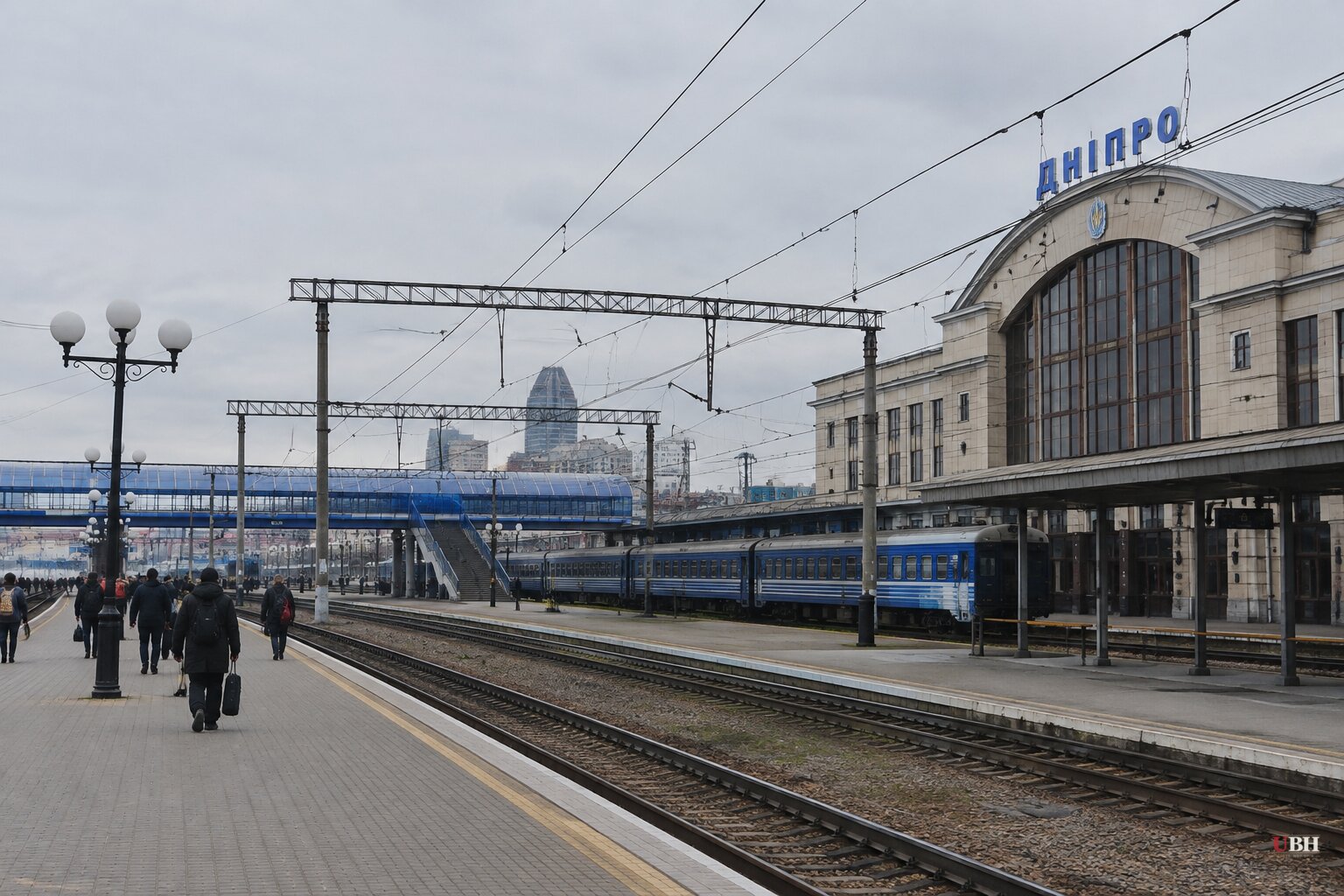
Since Russia stepped up its strikes on Ukraine's energy system in mid-October, the attacks have moved from power plants to the railways that carry civilians. A Russian drone slammed into a platform at the railway station in Dnipro and killed at least 14 people, according to Dnipropetrovsk governor Oleksandr Ganzha.
Ganzha said another 14 were wounded. Six of them are in severe condition with multiple shrapnel wounds, including an 11-year-old boy and a man who had both legs amputated.
President Volodymyr Zelensky said the drone struck a platform where a regular commuter train and a regular passenger train were standing. Ukrainian emergency services released images of bodies on the platform and two burnt-out trains with shattered windows.
Ukraine's air force said it intercepted three jet-powered drones in the daytime attack. A fourth got through.
Other deaths across the country
At least six more people were killed in separate Russian attacks elsewhere in Ukraine, according to local officials.
In Chernihiv, north of Kyiv, a strike on the city centre killed two 15-year-old girls and wounded nearly two dozen others, including four children, said Dmytro Bryzhynsky, head of the city's military administration.
French President Emmanuel Macron called the Dnipro attack intolerable. He said on X that Russia "continues to reject all proposals" for a broader ceasefire and instead chooses "escalation" and targets civilians.
The power grid
The station attack follows a run of strikes on energy sites. On Oct. 31, Zelensky said Shahed drones hit a thermal power plant in Kyiv, four substations in the Dnipro region and a thermal plant in Shostka. He said about 200,000 families in the Dnipro region and more than 80,000 households in the Kyiv area lost power.
He also said Russian forces hit railway infrastructure in Dnipro and Kharkiv and a gas distribution facility in the Dnipro region.
Overnight into Nov. 1, Zelensky said, attacks on the energy sector in Dnipro, Khmelnytsky, Vinnytsia and Zhytomyr regions left hundreds of thousands more families without electricity.
The scale was already large on Oct. 17. Zelensky said that day that Russia targeted more than 15 energy sites. Ukraine's air force counted four cruise missiles and 332 attack drones overnight. It said all four missiles and 289 of the drones were intercepted or destroyed.
Russia's Defense Ministry did not say it struck the energy targets Zelensky listed. It said it hit logistics infrastructure used by Kyiv, including traffic control facilities at the Konotop railway station in Sumy Oblast, which it said was used to move weapons and equipment to Ukrainian forces.
Ukraine is hitting back. Zelensky said Ukrainian forces struck the Kamensky plant in Russia's Rostov region, which he said is involved in missile production. Russia's Defense Ministry said it destroyed 212 Ukrainian attack drones overnight on Nov. 2 over more than a dozen areas, including the Moscow region, Rostov, Crimea and the Black and Azov Seas.
A UN finding Moscow rejects
The UN's Independent International Commission of Inquiry on Ukraine has now concluded that Russia is committing war crimes and crimes against humanity by intentionally attacking civilian infrastructure, including energy systems. Its report, being submitted to the UN General Assembly, says the attacks "were carried out with intent" and reflect a "state policy to deprive the civilian population from essential energy supplies and cause suffering."
The commission said Russian commanders knew the heating facilities they targeted were indispensable to civilians, particularly in winter.
Russia's Permanent Mission to the UN rejected the findings. It said the commission relies on "falsified data provided by the Ukrainian authorities" and was created by a "politicized body," the UN Human Rights Council. The mission said it does not recognize the commission's mandate.
Kyiv says last winter's attacks cut thermal power generation by 70 percent in the hardest-hit areas, during an unusually cold season with temperatures as low as -30°C (-22°F). Ukrainian officials have warned that Russia is stockpiling ballistic missiles for more strikes in the coming months.
Sanctions and a limited truce
Zelensky tied the Dnipro attack to U.S. sanctions policy. He criticized a deal this month between President Donald Trump and Russian President Vladimir Putin to ease some sanctions so Moscow can release diesel onto global markets. He asked how many "terrorist strikes" Russia has carried out since sanctions were lifted on some oligarchs and the energy sector, "instead of de-escalating." He said sanctions must not be eased while the war continues.
The White House has not been quoted in these accounts defending the diesel arrangement. On Oct. 17, Trump signed an executive order pausing a sweeping package of restrictions on the Russian economy. Zelensky said then that a decision had been made in America to "completely disregard" the Lindsey Graham Act, and he urged supporters to speak up for it.
The one stretch of relative quiet is the local ceasefire in Oleshky, a town Russia has occupied since 2022 where residents have faced months of food, water and medicine shortages. First Lady Melania Trump brokered the truce. Both governments said it was holding into its third day, and Ukrainian ombudsman Dmytro Lubinets said he had set out with a delegation toward Oleshky through Belarus and Russia.
Macron said a localized truce is not enough.
Zelensky has also pressed the U.S. and Europe on air defense. He said new packages have been agreed, but "these deliveries cannot take years" because Russia is destroying infrastructure and killing people now. Neither Washington nor Moscow has announced any change to the sanctions arrangement Zelensky is objecting to.
Sources used for this briefing
6 links from 6 independent newsrooms (syndicated copies of the same report count once)
These are the sources it draws on, linked so you can verify.


