
Unbiased headlines. Facts, not spin.
Unbiased Headlines is an independently owned news organization. We bring you the facts, not opinions, written fresh from 110+ named sources. Sources linked so you can verify it yourself.
 politics
Notable (6/10)
Iran Says Iraq Agreed to Expel or Hand Over Kurdish Opposition Groups. Baghdad's Statement Doesn't Mention It
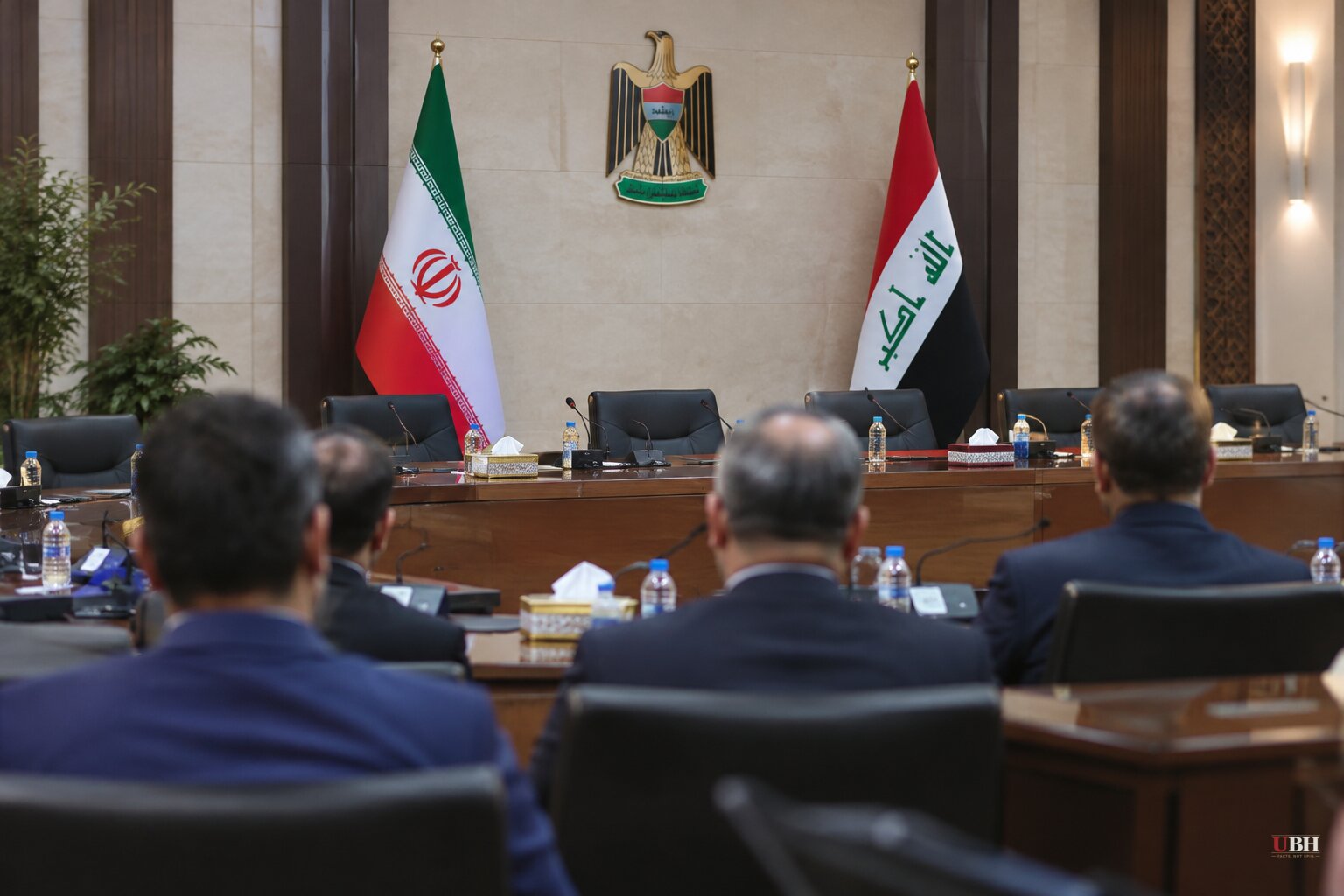
Iran says it has a deal. Iraq has not said so.
Ambassador Mohammad Kazem Al-e Sadegh announced on X on Tuesday, Oct. 20, that Iranian and Iraqi officials agreed at a joint security committee meeting to "expel the members of the Iranian separatist terrorist groups from the Iraqi Kurdistan region or hand them over to Iran." The Iraqi national security adviser, Qasim al-Aboudi, attended.
What Baghdad has said
The Iraqi side describes the meeting differently. A statement from al-Aboudi's office said he chaired talks in Baghdad on Monday, Oct. 19, with a senior Iranian delegation, federal officials and a delegation from the Kurdistan Regional Government. The topic was the 2023 Iran-Iraq security agreement.
The statement said the talks focused on "ways to address current challenges and to harmonize the visions of the parties concerned." It said nothing about expulsions or handovers.
According to AFP, senior Iraqi security officials had repeatedly said Baghdad was refusing to expel the exiles because it feared for their lives.
The 2023 deal and the war
In March 2023, Tehran and Baghdad signed a border security pact. Iraq pledged to stop armed groups from attacking Iran. Iraqi authorities disarmed the Iranian Kurdish groups, moved them away from the border and put them in camps. The Iranian bombardments largely stopped.
They resumed after the U.S. and Israel began airstrikes on Iran on Feb. 28, 2026. The Long War Journal counts more than 1,000 Iranian attacks on the Kurdistan Region since then, many aimed at the opposition groups.
The recent record is specific. In July, at least 10 people were killed when the Islamic Revolutionary Guard Corps fired missiles and drones at a Komala Party of Iranian Kurdistan base in Sulaimaniyah province. On Saturday, a drone hit a Komala base in Khalifan, near Erbil, with no casualties reported. Last week, a drone struck a camp of the Democratic Party of Iranian Kurdistan (PDKI) in Erbil's Koya district.
On Oct. 17, an IRGC officer was killed in the Qandil mountains on the border. Iran called him a "martyr" and did not say how he died. The Long War Journal said he may have died in clashes with the Kurdistan Free Life Party (PJAK). That is unconfirmed.
Who the groups are
At least five Iranian Kurdish factions met in February to form a coalition: the PDKI, PJAK, the Kurdistan Freedom Party, the Khabat Organization and one branch of Komala. AFP reports the alliance announced on Feb. 22 that it aims to overthrow the Iranian government and secure Kurdish self-determination. Tehran calls the groups terrorists serving U.S. or Israeli interests.
Washington is part of this picture. The Washington Post reported in March that President Trump offered support for a Kurdish operation in western Iran. CNN reported the CIA was working with Iranian Kurdish groups to "spark an uprising." In April, Trump said the U.S. sent weapons to Iranian protesters through the Kurds, who kept them. The Kurds vehemently denied that.
Iran's foreign minister, Abbas Araghchi, claimed in July that Turkey helped prevent a Kurdish uprising in Iran. PJAK rejected that. Its spokesperson, Gelawej Ewrin, said on Aug. 30 that PJAK operates independently of the PKK and should not be folded into the PKK-Turkey peace process.
Kurdish leaders split on how to respond
On Monday, senior Iraqi Kurdish figures publicly floated a negotiated route. Bafel Talabani, head of the Patriotic Union of Kurdistan, said "we are at the beginning of a similar process with our Iranian brothers and sisters," and that Tehran had responded positively. His party holds Iraq's presidency and has close ties to Tehran.
Kurdistan Region President Nechirvan Barzani was more cautious. A process like Turkey's "may not have begun yet, but it is being considered," he said. He also said the Iranian Kurdish opposition "acted very irresponsibly" since the war began.
The opposition's own position is that it will talk but does not trust Tehran. PDKI spokesperson Khalid Azizi told Rudaw his party is open to negotiations. He questioned Iran's intentions and who could speak for Tehran after the reported deaths of senior officials in U.S. and Israeli strikes. The groups also cite decades of conflict and the assassinations of Kurdish leaders during earlier diplomatic efforts.
Iraqi Kurdish leaders have long argued that Iran uses the exiles' presence as a pretext for strikes on their territory.
The wider Kurdish picture
The PKK announced its dissolution in May 2025 and has since pulled fighters out of Turkey and parts of northern Iraq, including areas of the Metina region this month. Turkey's peace process law took effect after publication in the Official Gazette in August. Ankara has voiced concern about PJAK because of its PKK links, and PJAK has said it will "neither lay down arms nor dissolve" itself.
Whether the deal Iran describes exists in the form Iran describes remains open. Neither the Iraqi federal government nor the Kurdistan Regional Government, whose delegation sat in the meeting, has publicly confirmed any expulsion or handover. Baghdad has not said what would happen to fighters who refuse to leave.
Sources used for this briefing
7 links from 7 independent newsrooms (syndicated copies of the same report count once)
These are the sources it draws on, linked so you can verify.


